HydroGraph Clean Power (CSE:HG, OTCQB:HGCPF) says it has commercialized a patented detonation-synthesis process that converts acetylene and oxygen into synthetic graphene with reported purity of ~99.8%, consistency across scale and three issued patents (eight pending), positioning it as a potentially lower-cost, greener supplier for a range of industrial and biomedical applications. The company reports a current production capacity of 10 tpa, a 13,000 sq ft Kansas plant in production since 2022, plans for a Texas facility to secure acetylene feedstock, modular Hyperion units that can be commissioned in 2–3 months, and a customer pipeline of more than 60 entities including a LOI with SEADAR and trials with Hawkeye Biomedical; HydroGraph estimates US$10–15m of production investment could generate >US$100m of sales. Management says it will announce a gas partner with pipeline access and a U.S. military relationship, is updating an EPA submission, has generated only small revenues to date but expects 10–15 customers to potentially convert to revenue within the next year, signaling a possible near-term revenue inflection if conversions and regulatory steps progress as outlined.
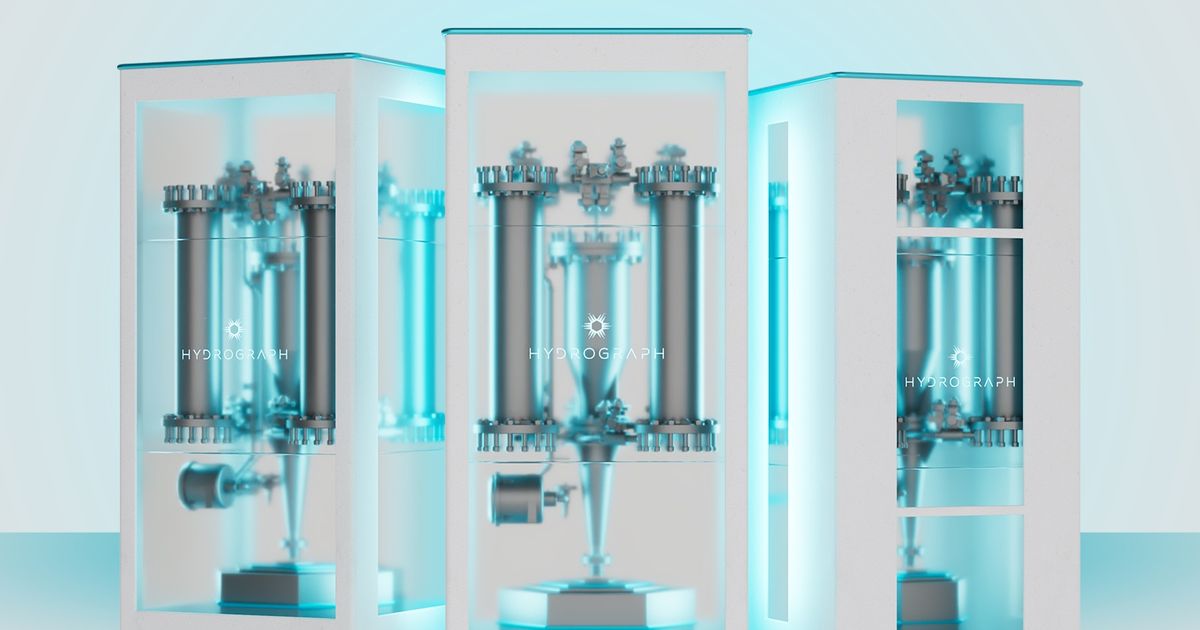
HydroGraph Clean Power reports a patented detonation-synthesis route that converts acetylene and oxygen into synthetic graphene powder, claiming ~99.8% purity and production consistency across scale; management cites three issued patents and eight pending, and states that patent challenges have been rejected by the U.S. Patent Office. The technology's modular Hyperion chambers and the ability to tune inputs to produce different graphene types are presented as competitive advantages for industrial and biomedical applications.
Commercialization is nascent: current capacity is ~10 tpa from a 13,000 sq ft Kansas plant online since 2022, with a planned Texas facility to secure acetylene feedstock and additional Hyperion units that can be deployed in 2–3 months. Management notes 60+ entities testing materials, a LOI with SEADAR, trials with Hawkeye Biomedical, small revenues to date, and a projection that $10–15m of production investment could generate >$100m in sales; 10–15 customers are said to be in late-stage evaluation and could convert within ~12 months.
Near-term catalysts cited by management are an announced gas partner with pipeline access, a potential U.S. military relationship, EPA submission updates, and contract wins; execution and regulatory risk remain material given limited current revenues and an average customer development cycle of ~18 months. Investors should weigh the technology and patent position against conversion risk, feedstock access, and independent validation of purity and commercial-scale economics; sentiment is moderately positive with modest market-impact potential.
AI-powered research, real-time alerts, and portfolio analytics for institutional investors.
Request DemoOverall Sentiment
moderately positive
Sentiment Score
0.48
Ticker Sentiment
