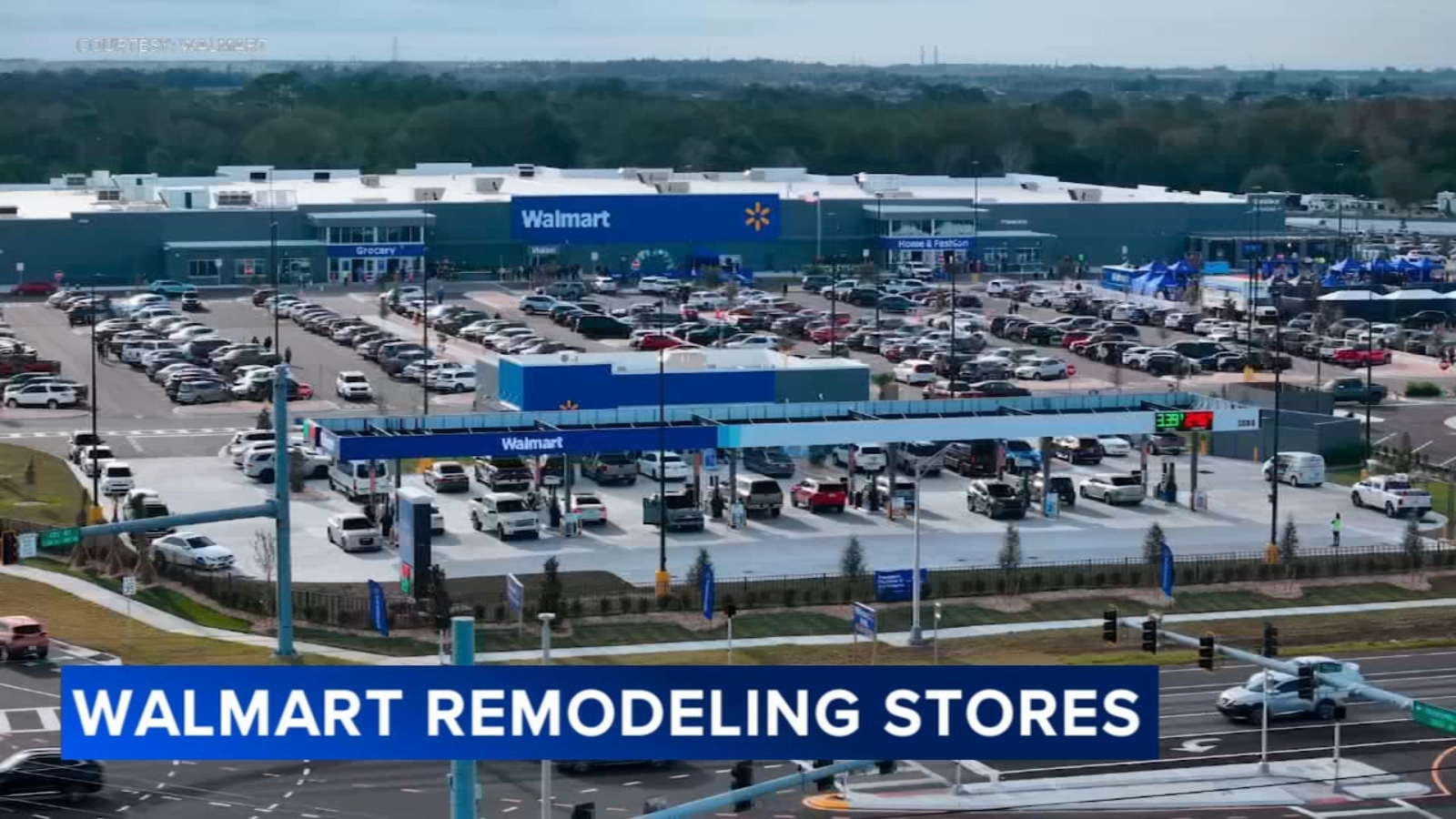
Walmart plans to remodel dozens of Pennsylvania stores this year as part of a $518 million five-year investment in the state. The upgrades will expand health food and on-trend assortments, improve in-store and online shopping, and refresh pharmacies and Vision Centers with added clinical services. The initiative is a constructive retail and store-traffic investment, but it is unlikely to materially move the stock.
This is less a one-off capex story than a signal that WMT is still leaning into local-market share capture in grocery-adjacent categories where convenience and pharmacy traffic matter more than pure price perception. The second-order effect is that remodels tend to raise basket size and visit frequency, which can pressure regional grocers and pharmacy chains even if headline price competition looks unchanged. The health-and-wellness angle also widens the moat: once customers migrate prescriptions, vaccines, and routine services into the store, the retention loop becomes harder for supermarkets and standalone pharmacies to break.
Near term, the stock catalyst is modest because remodel spend is visible in opex/capex before the sales lift shows up, but the payoff tends to compound over 2-4 quarters if traffic and basket metrics improve. The bigger implication is for labor and supplier mix: more premium, health-oriented assortment typically shifts purchases toward higher-margin private label and branded wellness SKUs, supporting gross margin even if unit growth is flat. If this rollout is paired with stronger omnichannel fulfillment, it should reduce churn versus price-only discounters and help defend share in suburban markets.
The contrarian risk is that investors may be overestimating how quickly remodels translate into same-store sales, especially if consumer trade-down remains intense and the added services are underutilized. There is also execution risk: higher pharmacy complexity and service volume can create staffing bottlenecks and shrink pressure before productivity gains show up. Over 6-12 months, the key tell will be whether traffic lift exceeds the drag from remodel disruption; if not, this becomes a capital-allocation story rather than a growth story.
AI-powered research, real-time alerts, and portfolio analytics for institutional investors.
Request DemoOverall Sentiment
mildly positive
Sentiment Score
0.25
Ticker Sentiment
