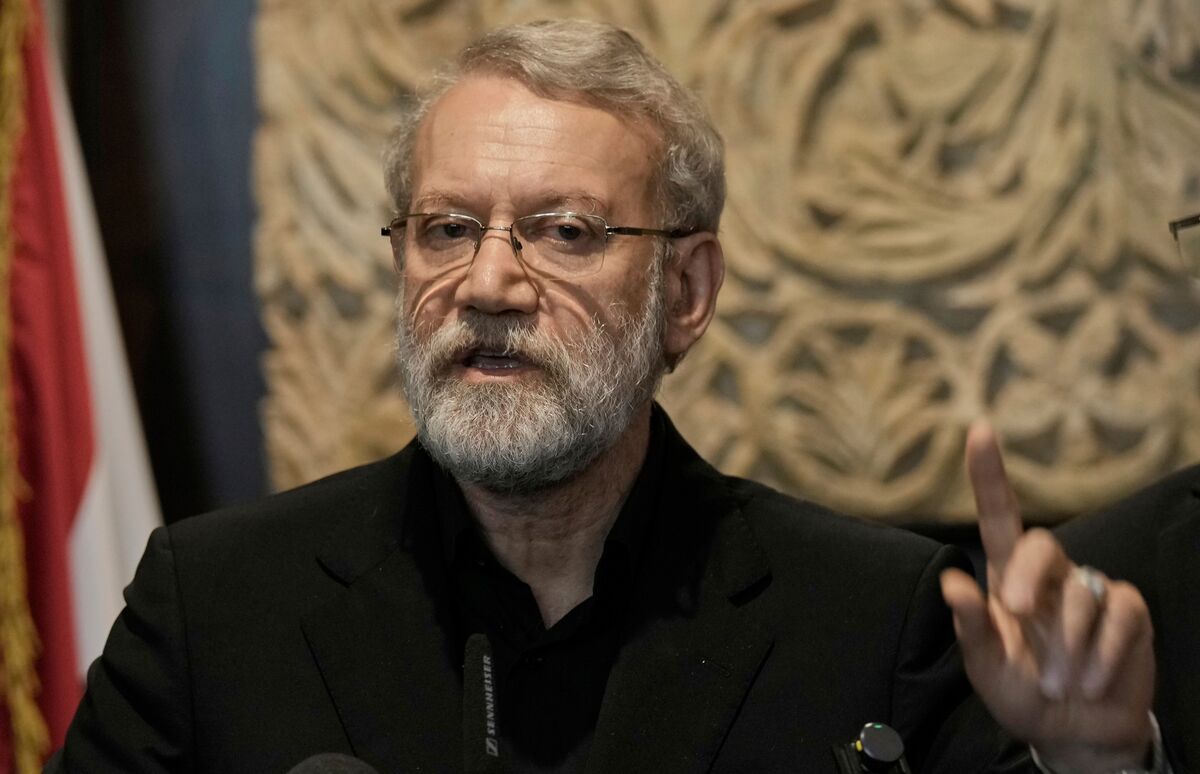
Ali Larijani, 67, a senior Iranian wartime political leader, was killed in an Israeli airstrike alongside his son, Iranian state media confirmed. Israel had earlier claimed responsibility, calling him Iran’s de facto leader. The removal of a senior coordination figure raises the risk of regional escalation and a near-term risk-off shock for oil and regional assets; immediate magnitudes are uncertain and should be monitored for oil price spikes and safe-haven flows.
The near-term market consequence is a jump in asymmetric risk across the Levant that will transmit into higher freight/insurance premia and immediate oil-price volatility. Expect war-risk insurance on Gulf transit lanes to reprice higher by 30–60% within days based on analogues (2019–2021 Houthi disruptions), which mechanically raises delivered crude costs by roughly $1–3/bbl via longer voyages and rerouting for tankers and LNG ships over 2–6 weeks.
Oil will see sharp but time-limited shocks: a 1–3 week volatility surge with a plausible $5–15/bbl headline move if attacks hit tanker routes or terminals, and a 3–6 month ceiling defined by spare OPEC capacity and a US shale response. That containment window creates a clear calendar for options strategies — immediate gamma-rich plays versus a mean-reversion cash- and carry move as supplies normalize.
Defense procurement and asymmetric-capability spending are the sustained winners: expect a discernible acceleration in missile-defense, ISR and long-lead munitions procurement over 6–24 months, with defense prime orderbooks and backlog visibility improving; aftermarket reaction is typically a 5–20% rerating in the first 3 months for pure-play contractors. Conversely, commercial aviation and touristic EM exposures face immediate demand softness and rerouting costs, compressing margins until visible de-escalation.
Tail risk is direct, wider-state engagement — a low-probability, high-impact event that would flip markets into risk-off for months and push commodities and flight-to-quality flows materially higher. The primary reversal path is credible, rapid diplomatic containment (3–8 weeks) or clear operational limits placed on escalation costs by external mediators; without that, expect a higher baseline of regional risk for 12+ months.
AI-powered research, real-time alerts, and portfolio analytics for institutional investors.
Request DemoOverall Sentiment
strongly negative
Sentiment Score
-0.70
