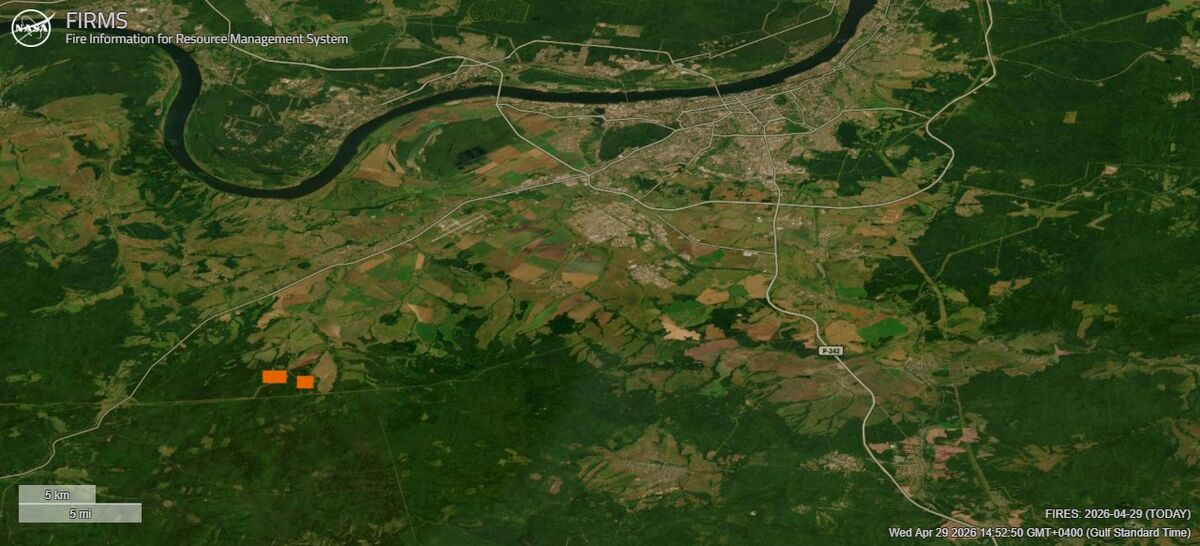
Ukraine said its drones hit an oil pumping station in Russia’s Perm region, more than 1,500 kilometers from the border, and set most of the facility’s reservoirs on fire. It also reported striking a sanctioned tanker in the Black Sea, underscoring continued escalation against Russian energy infrastructure. The attacks raise near-term disruption risk for oil logistics and could support energy market volatility.
The market is underpricing the difference between headline disruption and durable disruption. Strikes on deep inland infrastructure matter less for immediate barrels than for perceived reach: they force Russian logistics to spend more on air defense, redundancy, and routing, which slowly erodes export reliability and lifts the option value of non-Russian crude. The second-order beneficiary is not just integrated oil, but any producer with flexible seaborne barrels and spare capacity, because buyers will pay up for optionality when sanctions enforcement becomes more erratic.
The more important channel is refined-product tightness rather than crude outright. If attacks increase downtime at pumping and storage nodes, Russia can often reroute some crude in the near term, but product flows and internal distribution are harder to patch, which tends to widen diesel and fuel oil differentials before Brent fully reprices. That is a setup for stronger margins in refiners outside the conflict zone, especially those exposed to middle distillates and marine fuel, while European energy-sensitive industrials remain vulnerable to any energy-risk premium spillover.
This is a days-to-weeks catalyst for volatility, but a months-long thesis for sanctions leakage and infrastructure attrition. The tail risk is retaliation against Black Sea shipping or broader energy infrastructure, which would push freight, insurance, and war-risk premia higher even without a large change in physical volumes. What could reverse it is a credible diplomatic or enforcement response that reduces strike frequency or restores confidence in transit security; absent that, every successful hit compounds the market’s perception that Russian export logistics are becoming a recurring, not episodic, risk.
The contrarian angle is that the immediate crude move may be overreacted to if traders are treating every strike as a supply shock. Unless there is sustained damage to export terminals or a broad outage in pipeline throughput, the bigger winner is volatility itself: options on energy, shipping, and defense become more attractive than directional crude exposure. In other words, the trade is less “long oil” and more “long uncertainty” with a bias toward assets that monetize wider spreads and higher risk premia.
AI-powered research, real-time alerts, and portfolio analytics for institutional investors.
Request DemoOverall Sentiment
moderately negative
Sentiment Score
-0.45
