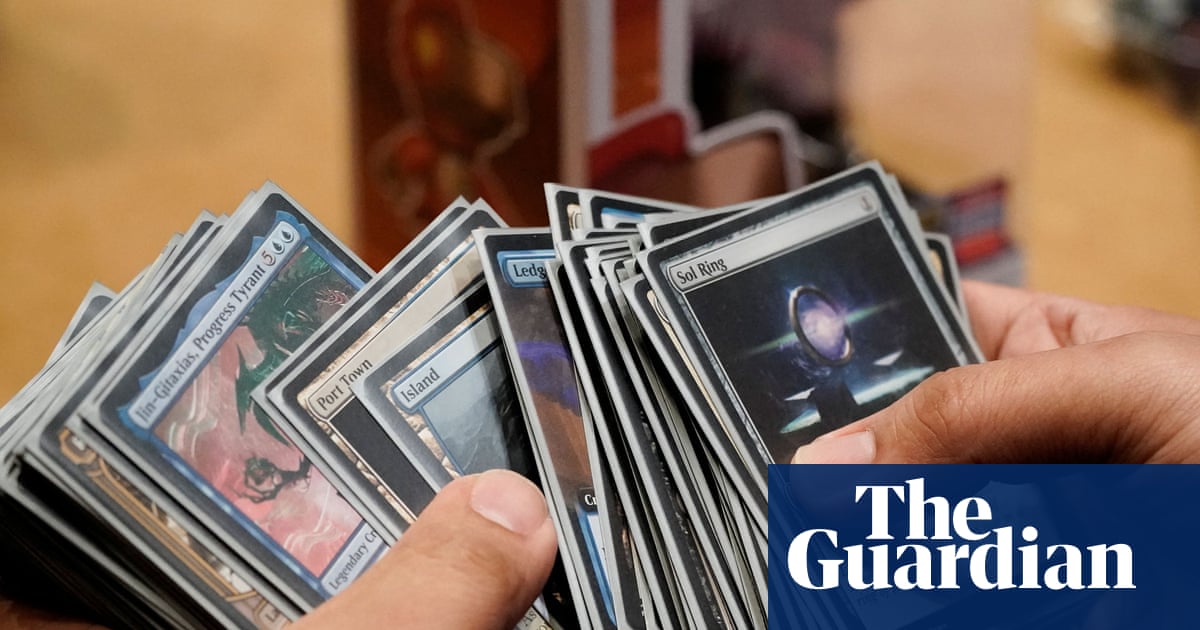
More than 100 Wizards of the Coast workers are seeking to unionize and have requested voluntary recognition, with a backup NLRB election filed if recognition is not granted by 1 May. The bargaining unit is pushing for layoff protections, remote-work protections, defined career paths and guardrails on generative AI after recent layoffs, including about 30 jobs cut in March 2025 and 1,100 Hasbro layoffs in December 2023. The action raises labor-relations and operating-cost risks for Hasbro's gaming unit, but the immediate market impact is likely limited.
This is not a headline risk event in the earnings sense; it is a governance and operating leverage problem for a low-margin IP business with heavy dependence on creative retention. The immediate damage is less about wage inflation than execution friction: any successful union drive raises the probability of slower product iteration, more formalized headcount decisions, and a higher cost of making last-minute schedule changes. For HAS, that matters because the studio’s value is disproportionately embedded in a small number of high-engagement franchises, so even modest talent attrition or delayed launches can have an outsized impact on recurring monetization and cross-media optionality.
The bigger second-order risk is that management responds by doubling down on rigidity—return-to-office, centralized controls, or broader workforce rationalization—which can trigger a self-reinforcing loss of senior developers and artists over the next 6-18 months. That would be more damaging than unionization itself. The AI angle is also important: if workers push for guardrails, Hasbro may face a slower internal adoption curve for productivity tools, reducing near-term efficiency gains that investors could otherwise have expected from gen-AI-enabled content workflows.
The consensus likely underestimates how much of Wizards’ value comes from tacit institutional knowledge rather than transferable labor. A few key departures can impair product quality long before they show up in reported financials, and that makes this more of a 2H26-2027 earnings durability issue than a clean near-term headline trade. On the other hand, if management grants voluntary recognition quickly and signals a cooperative posture, the market may fade this as a contained labor story; the tail risk is not the election itself but a prolonged, public conflict that becomes a recruiting and retention tax across the broader games segment.
AI-powered research, real-time alerts, and portfolio analytics for institutional investors.
Request DemoOverall Sentiment
mildly negative
Sentiment Score
-0.35
Ticker Sentiment
