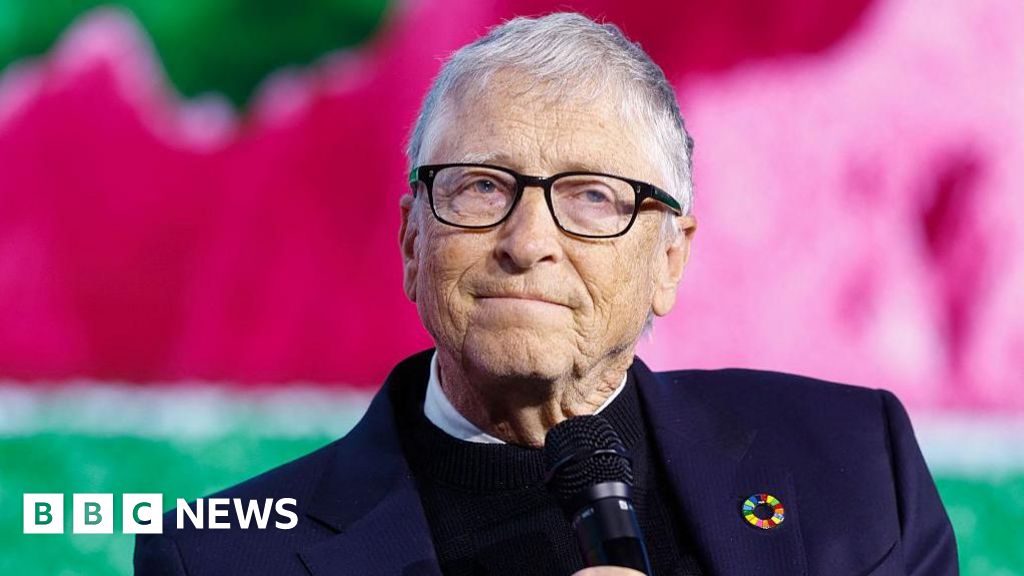
Bill Gates withdrew from delivering the keynote at the India AI Impact Summit amid controversy over his ties to Jeffrey Epstein, with the Gates Foundation sending Ankur Vora in his place; the foundation emphasized continued commitment to India. Despite the reputational hit to the event, major participants including OpenAI, Anthropic, Google and billionaire Mukesh Ambani — who pledged $110bn over seven years — reinforced investment and infrastructure commitments as India pushes to position itself as a global AI hub.
Market structure: India's summit momentum (Ambani $110bn pledge + local policy focus) structurally increases demand for cloud, data‑center and GPU capacity over 12–36 months, benefiting cloud incumbents (GOOGL, MSFT) and chip suppliers (NVDA, AMAT). Short-term headline noise from Gates' withdrawal is reputational and media-driven; real capital allocations (contracts, land, power) are the primary value drivers and will shift CAPEX toward hyperscalers and local integrators. Risk assessment: Tail risks include rapid India data‑localization or protectionist AI procurement rules that could reduce US cloud revenue by 5–15% in affected verticals over 2–5 years, and regulatory coordination (US/EU) on AI safety that raises compliance costs ~1–3% of revenue. Near term (days–weeks) volatility is event/news driven; medium term (3–12 months) risks center on supply chain (GPU availability) and talent scarcity driving wage inflation in India. Trade implications: Favor selective exposure to GOOGL (higher sentiment, full‑stack AI hub) and GPU supply chain (NVDA, AMAT) while sizing positions conservatively (1–3% each) and using options to cap downside. Implement pair trades (long GOOGL vs short MSFT) if relative strength persists; consider India tech/infra ETF exposure (2–4%) to capture domestic spend but hedge INR FX moves >3%. Contrarian angles: The market underestimates long‑duration structural demand from India even if marquee speakers falter — capital commitments and local champions (Reliance) matter more than optics. Overreaction risk: short‑term negative press around individuals rarely changes enterprise vendor selection; mispricing windows of 5–10% in MSFT/GOOGL are plausible and tradable.
AI-powered research, real-time alerts, and portfolio analytics for institutional investors.
Overall Sentiment
neutral
Sentiment Score
-0.05
Ticker Sentiment
