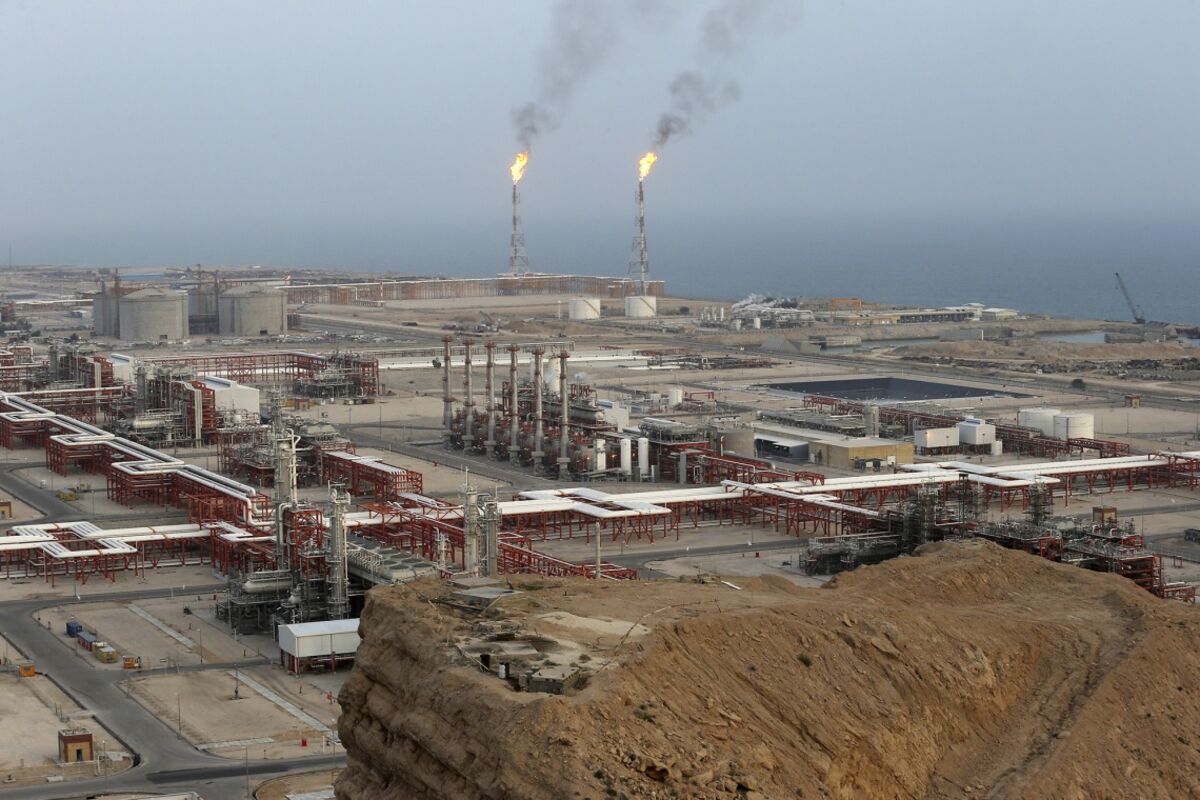
An Israeli airstrike struck Iran's giant South Pars gas field and Iran has retaliated with stepped-up attacks on energy assets in Saudi Arabia, Qatar and the UAE, while US President Trump publicly rebuked Israel. The incident raises the regional risk premium for energy supply and is likely to increase volatility in oil/gas prices and regional energy equities; monitor for rising insurance/shipping costs and potential supply disruptions. A visible rift in US-Israel military coordination adds policy uncertainty and could widen risk spreads for Middle East exposures.
The visible weakening of coordinated US–ally operational control raises the chance of repeated, decentralized strikes on Gulf energy infrastructure and a persistent regional risk premium. That premium transmits through three channels: higher marine insurance and longer routing (raising delivered hydrocarbon costs), re-routing of LNG cargoes into longer voyages (boosting freight and marginal supplier pricing), and faster repricing of strategic security/service providers.
Near-term market impacts will be dominated by logistics and insurance rather than immediate crude production outages: expect freight rate spikes and insurer margin expansion within days–weeks, and physical repair/rebuild capex decisions to play out over months. A sustained campaign of small strikes (vs. a single large strike) increases sustained marginal costs for buyers (estimate +$0.5–$2/MMBtu delivered for impacted LNG routes) and favors flexible suppliers who can reallocate cargoes quickly.
Tail risks are asymmetric: closure of a major chokepoint or a strike that disables permanent processing capacity would move the system from price blips to structural tightness — probability ~10–20% over 6–12 months if escalation continues. Near-term de-escalation or a renewed formal security umbrella could compress the premium quickly (days–weeks), so time-boxing exposures to the next 3–6 months is prudent.
Consensus is centered on oil-price headlines; markets underprice the winners from persistent logistics/insurance repricing (LNG exporters with spare capacity, freight owners, defense/security services, and insurance brokers) and overprice immediate producer risk for players with long-term fixed export contracts. That sets up asymmetric, tactical trades that monetize the logistics/insurance convexity while capping downside to quick de-escalation.
AI-powered research, real-time alerts, and portfolio analytics for institutional investors.
Request DemoOverall Sentiment
strongly negative
Sentiment Score
-0.60
