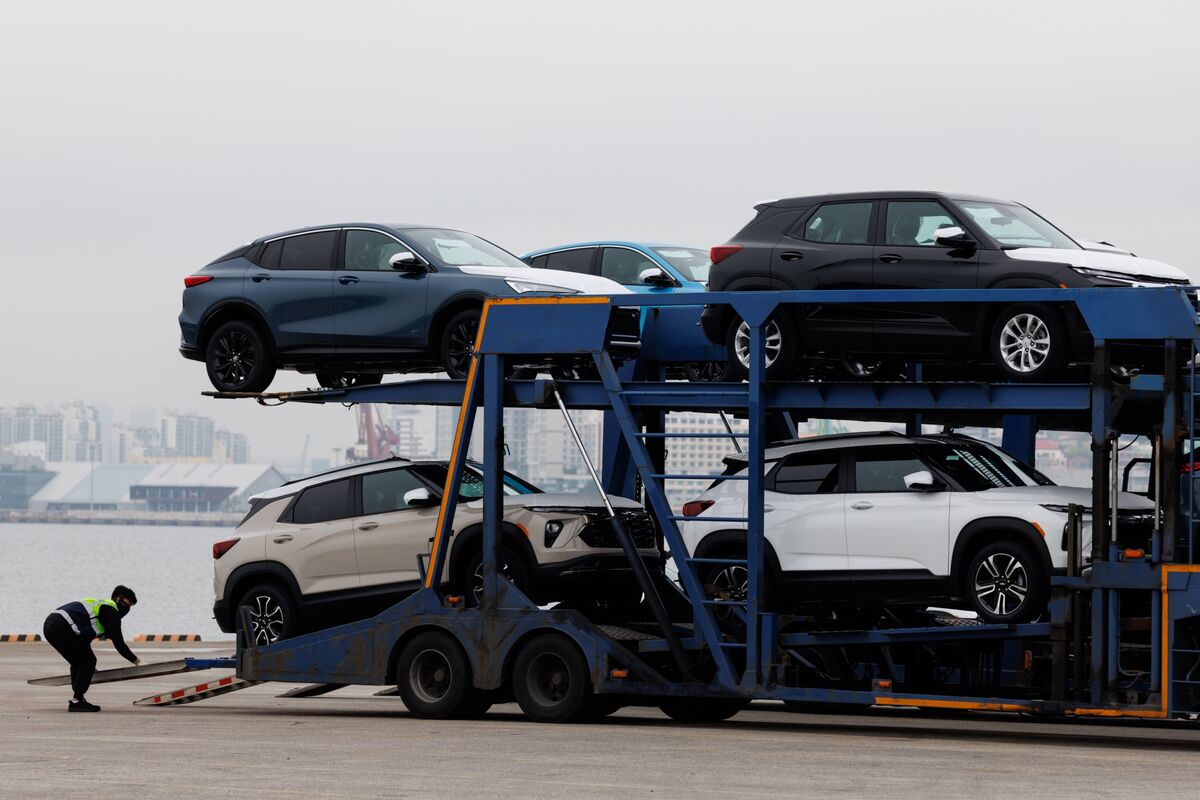
South Korea is urgently negotiating with the U.S. to extend the July 9 deadline for trade deals and avert looming tariffs, particularly on key products like automobiles and steel. South Korean Trade Minister Yeo Han-koo proposed manufacturing partnerships and tariff reductions to USTR Jamieson Greer, while a summit between Presidents Lee and Trump is also under discussion. This demonstrates Seoul's proactive measures to safeguard its export-driven economy from potential U.S. trade protectionism.
South Korea is engaged in high-stakes, last-minute negotiations with the United States to extend a July 9 trade deadline and avert the imposition of potentially sweeping tariffs. The discussions, characterized by an uncertain tone and a significant market impact score of 0.65, center on critical export sectors including automobiles and steel. South Korea's proactive proposals, which include new manufacturing partnerships and the elimination or reduction of existing tariffs, signal a clear attempt to de-escalate trade tensions and protect its export-driven economy. The involvement of high-level officials, including the South Korean Trade Minister and the US Trade Representative, along with the potential for a presidential summit, underscores the geopolitical gravity of the situation. The outcome remains binary, with the market's mixed sentiment reflecting the equal possibility of either a favorable deal extension or the disruptive implementation of new trade barriers that would directly impact global supply chains.
AI-powered research, real-time alerts, and portfolio analytics for institutional investors.
Request DemoOverall Sentiment
mixed
Sentiment Score
0.00
