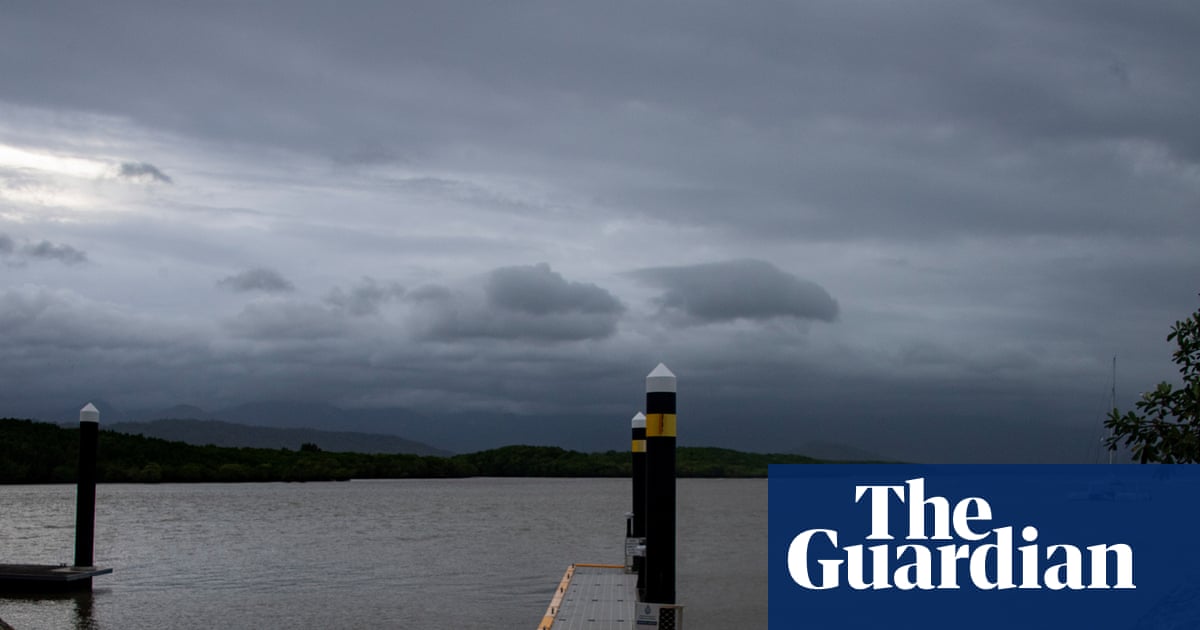
Category 4 Severe Tropical Cyclone Narelle made landfall in far north Queensland with sustained winds of 195 km/h and gusts up to 270 km/h, and forecast winds over 250 km/h near landfall between Lockhart River and Cape Melville. Emergency warnings were issued for Lockhart River, Port Stewart and Coen (pop. ~320); authorities warned of severe storm surge, heavy rainfall, river flooding and significant structural damage (loss of roofs, airborne debris). The Bureau expects Narelle to weaken as it crosses Cape York but remain destructive, then move over the Gulf of Carpentaria with a second landfall expected Saturday evening, threatening already-flooded Top End communities. Climate experts linked the cyclone's intensity to record-high sea surface temperatures and rising sea levels, implying elevated future risk to coastal infrastructure and property.
This event is a localized shock with asymmetric timing: acute logistics and service disruption over days–weeks and reconstruction-driven demand over months–years. Expect short-term bottlenecks at the few northern ports and airstrips that feed mining and LNG flows; a 1–3 week outage can push regional shipping re-routing costs and spot freight rates materially higher given thin spare capacity in Northern Australia.
Insurance P&L will be the first-quarter read — primary carriers with heavy retail/homeowner exposure to the peninsula will face large, concentrated losses that compress near-term earnings and force increased loss reserves. Reinsurance and global specialty carriers will see ceded loss flows, but the bigger market effect is the impulse to harden pricing at the next renewal window (3–12 months), which benefits reinsurers and brokers if capital isn’t rapidly supplied.
Reconstruction creates a clear multi-quarter demand pop for contractors, building materials, roofing, and civil works; government disaster spending typically flows within 1–6 months and supports several quarters of above-trend activity. Second-order: skilled-labor shortages will push localized wage inflation and temporary staffing demand, and suppliers with national distribution networks will grab market share from smaller regional vendors.
Tail risks and catalysts to watch: satellite damage mapping and insurer early-loss estimates (48–72h) will drive market moves; a low-loss outcome would reverse negative positions quickly, while larger-than-expected damage or a second storm across the Top End would widen impacts to coal/LNG export volumes and federal fiscal shock. Monitor reinsurance renewal commentary and port re-open timelines as primary catalysts over the next 1–12 months.
AI-powered research, real-time alerts, and portfolio analytics for institutional investors.
Request DemoOverall Sentiment
strongly negative
Sentiment Score
-0.65
