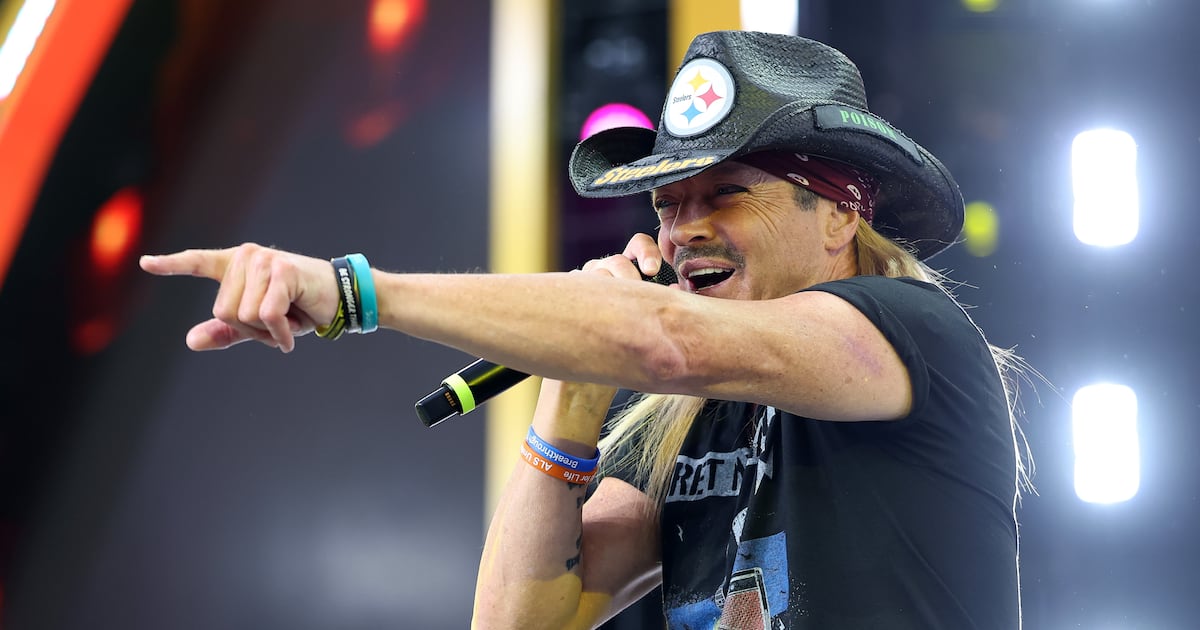
The article centers on the Trump-linked Great American State Fair lineup, with multiple artists distancing themselves from the event and Young MC and Morris Day publicly withdrawing. C+C Music Factory says it will still perform despite the political controversy, while Vanilla Ice remains a notable Trump supporter on the bill. The news is largely entertainment and political in nature, with minimal direct market impact.
This is less a direct market event than a signal that “celebrity-political adjacency” has become an operational risk for live-entertainment bookings. The immediate winners are the agents, promoters, and venue operators that can repackage legacy talent as apolitical nostalgia; the losers are the lower-tier legacy acts that rely on broad, cross-partisan audiences and have little pricing power once reputational screening enters the process. The second-order effect is a higher clearing cost for talent procurement: more advance disclosure, more cancellation clauses, and more last-minute substitution risk, which compresses margins for mid-size event operators.
The bigger implication is on brand elasticity for entertainment IP. Acts with older demographics and stagnant catalogs can still monetize, but only if they remain politically ambiguous; once an act is perceived as aligned with one side, the addressable audience narrows materially and sponsors become more cautious. That creates a bifurcation: clean, family-friendly legacy brands should retain value, while anything adjacent to controversy may see lower booking frequency and softer fees over the next 1-2 quarters.
The contrarian angle is that the cancellation drama itself may be more useful than the lineup: controversy can drive earned media and short-term attendance curiosity even when the musical quality is weak. So the downside to the organizer may be capped if the objective is publicity rather than a premium live experience. But the reputational drag on participating artists is asymmetric because they bear the political-label risk without capturing the full promotional upside.
I’d treat this as a governance/brand-risk data point rather than a macro catalyst. If we see a broader pattern of talent withdrawals from politically tagged events, it would validate a sell-the-rally stance on lower-quality live-event operators and a preference for premium, brand-safe entertainment assets.
AI-powered research, real-time alerts, and portfolio analytics for institutional investors.
Request DemoOverall Sentiment
mildly negative
Sentiment Score
-0.15
