


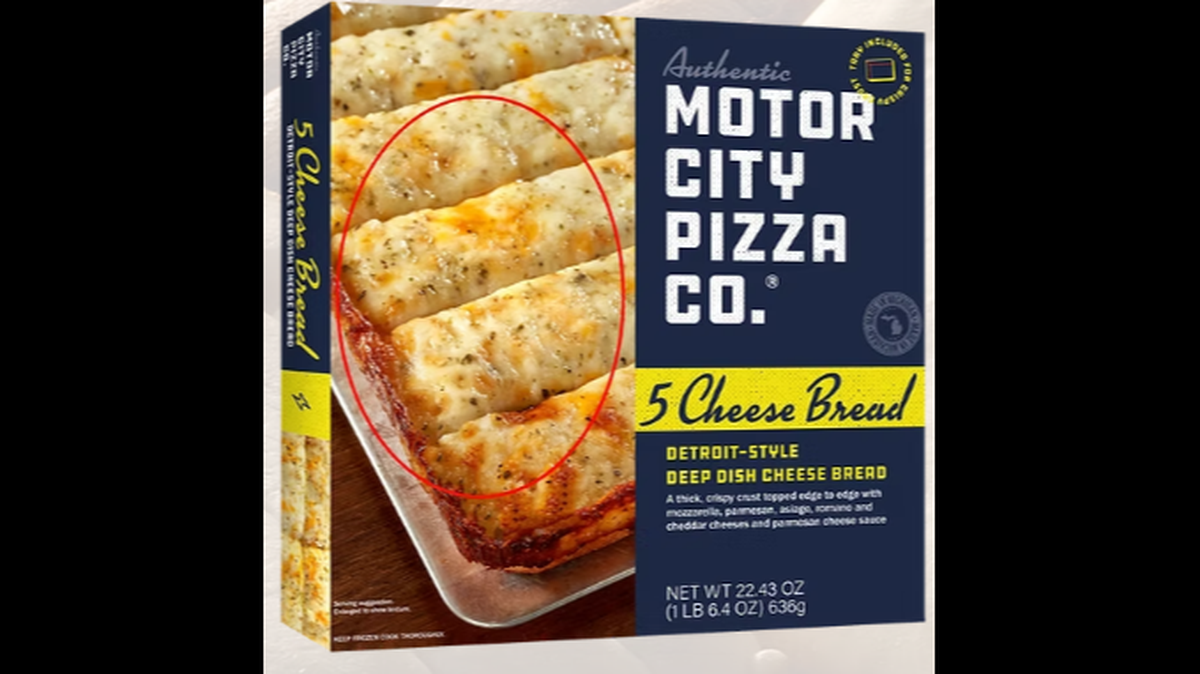
Champion Foods recalled Motor City Pizza Co.’s 5 Cheese Bread sold in single boxes and two-packs after a salmonella-related ingredient issue tied to California Dairies dry milk powder. The recalled product was distributed through major retailers including Walmart, Kroger, Costco, Publix, Target, Meijer and others, with sell-by dates extending into April 2027. Consumers are being told to return the product for a refund or discard it.
This is less a one-off recall than a distribution-node stress test for the largest grocery operators. The direct financial hit to WMT, COST, TGT, KR, and UNFI is immaterial, but the second-order risk is operational: repeated contamination headlines increase the probability of store-level labor drag, shrink from pull-and-destroy activity, and temporary basket leakage in frozen/private-label adjacent categories. The more important market read-through is that broad assortments create contagion risk across multiple banners, so the probability of elevated supplier scrutiny and stricter QA pass-through rises for months, not days.
For retailers, the issue is not revenue loss but trust leakage and mix shift. Value-oriented grocers and clubs are more exposed because shoppers buy more multi-unit frozen and prepared foods, and a recall can suppress repeat purchase in that aisle even after the event fades. That favors higher-income omnichannel players and branded snack/fresh categories with lower contamination stigma, while putting pressure on private-label adjacencies where consumers have less brand memory and more willingness to switch.
UNFI is the cleaner relative loser because it sits closer to the supply chain plumbing and can face incremental compliance costs without meaningful pricing power. The contrarian take is that the selloff risk in the large caps is likely overdone if investors treat this as a demand event; most of the economic damage is operational and transitory unless further recalls broaden into more food categories. The real catalyst to watch is whether regulators or customers start demanding tighter vendor qualification standards, which would raise cost-to-serve and compress margins over the next 2-4 quarters.
If recall frequency stays elevated, this could become a quiet tailwind for firms with stronger traceability and in-house QA infrastructure, while forcing smaller suppliers into margin-sacrificing remediation spending. That is the real trade: not shorting grocery outright, but fading the weakest supply-chain intermediaries and owning the names that can convert safety paranoia into share gains.
AI-powered research, real-time alerts, and portfolio analytics for institutional investors.
Request TrialOverall Sentiment
moderately negative
Sentiment Score
-0.25
Ticker Sentiment
