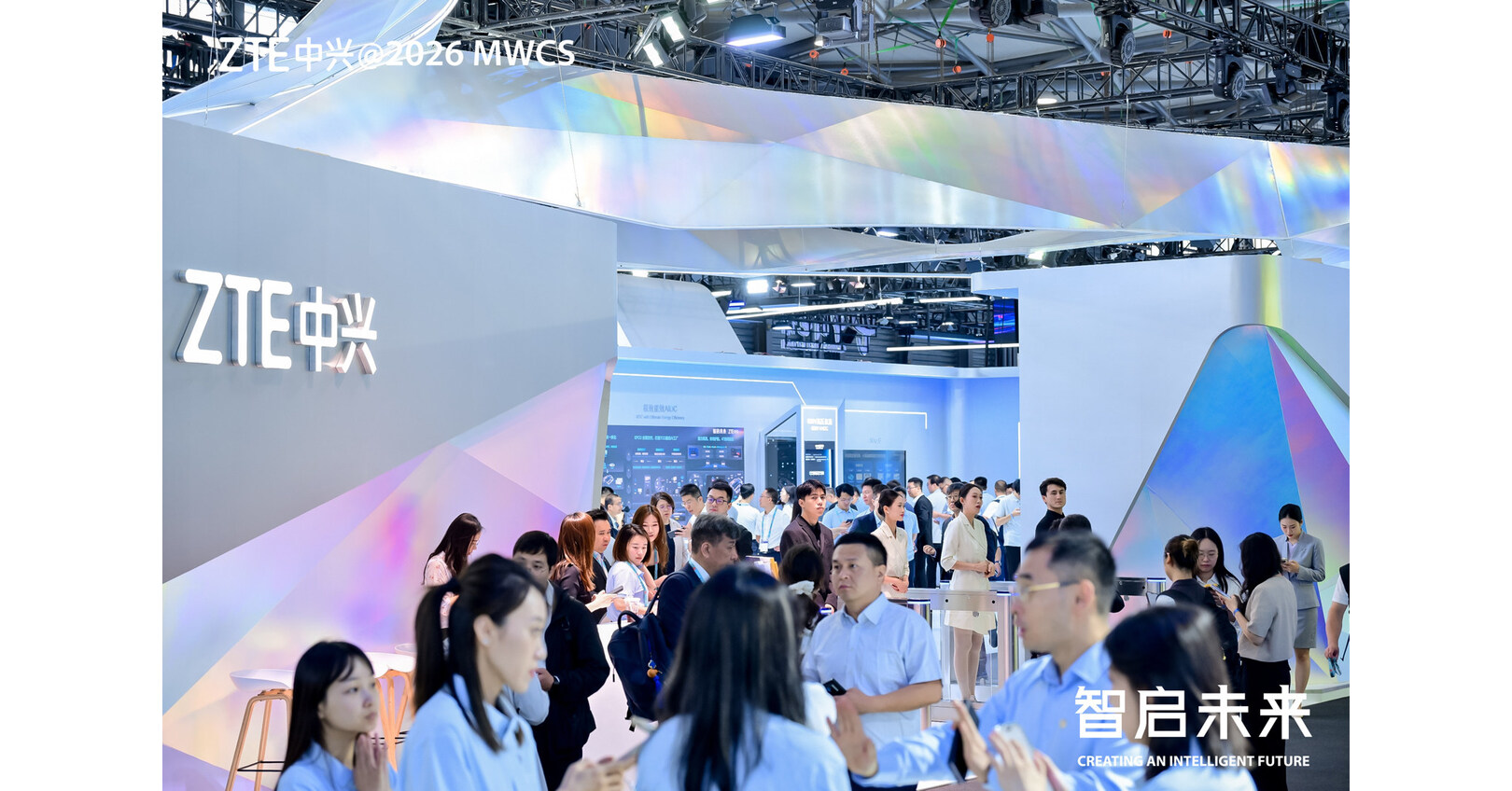
ZTE stellt auf der MWC Shanghai 2026 eine „TCO-optimale KI-Fabrik“ vor, um die Tokeneffizienz zu erhöhen und die Kosten pro Token zu senken (u. a. mit SuperPod: 128 GPUs pro Rack, Skalierung bis 16.000 GPUs; sowie AIDC mit CO2-armen Betriebsabläufen über 800V HVDC und Full-Stack-Flüssigkühlung). Zudem bringt das Unternehmen NewStart AIOS als Basis für Token-Scheduling und Closed-Loop-Services sowie Co-Claw als Agent-Plattform in Endgeräte-Integration. Die News ist strategisch/produktgetrieben und dürfte vor allem die Wahrnehmung der AI-Infrastruktur- und Netzwerkfähigkeiten von ZTE stützen, mit begrenztem kurzfristigem Preisimpuls.
This reads more like a strategic positioning exercise than a near-term earnings catalyst. The real implication is not AI bragging rights, but that ZTE is trying to move up the stack from low-margin network hardware into an integrated infrastructure bundle where power, cooling, orchestration, and software can lift wallet share and defend pricing. If that narrative gains traction with Chinese operators or state-linked enterprise buyers, the second-order winner is ZTE’s services and systems mix; the losers are narrower point-solution vendors that cannot bundle compute-to-network-to-power procurement.
The market should be cautious about extrapolating this into immediate revenue. AI infrastructure wins usually convert slowly: design-ins can take 2-4 quarters, deployment another 2-4 quarters, and monetization often depends on budget cycles rather than product launches. The key falsifier is whether ZTE can show actual backlog, operator capex conversion, or margin expansion in AI-related segments; without that, the event is mostly support for sentiment, not numbers. A separate risk is that domestic competitors can copy the same “full-stack” pitch, compressing pricing before scale benefits appear.
Contrarian view: consensus may be underestimating the importance of inference economics, where energy efficiency and orchestration matter more than raw GPU access. If Chinese customers face supply constraints on advanced chips, a vendor that can improve effective throughput per watt and package the whole stack could win share even without leading silicon. Still, this is a 6-18 month thesis, not a days-long trade, and it competes with broader China tech sentiment and policy risk more than with any single product cycle.
For the broader sector, the spillover beneficiaries are power/cooling and datacenter infrastructure names with China exposure, but only if there is evidence of procurement. Otherwise, the more tradable read-through is defensive: ZTE is trying to protect telecom capex relevance as AI budgets start pulling spend away from traditional network refreshes.
AI-powered research, real-time alerts, and portfolio analytics for institutional investors.
Request DemoOverall Sentiment
mildly positive
Sentiment Score
0.15
Ticker Sentiment
