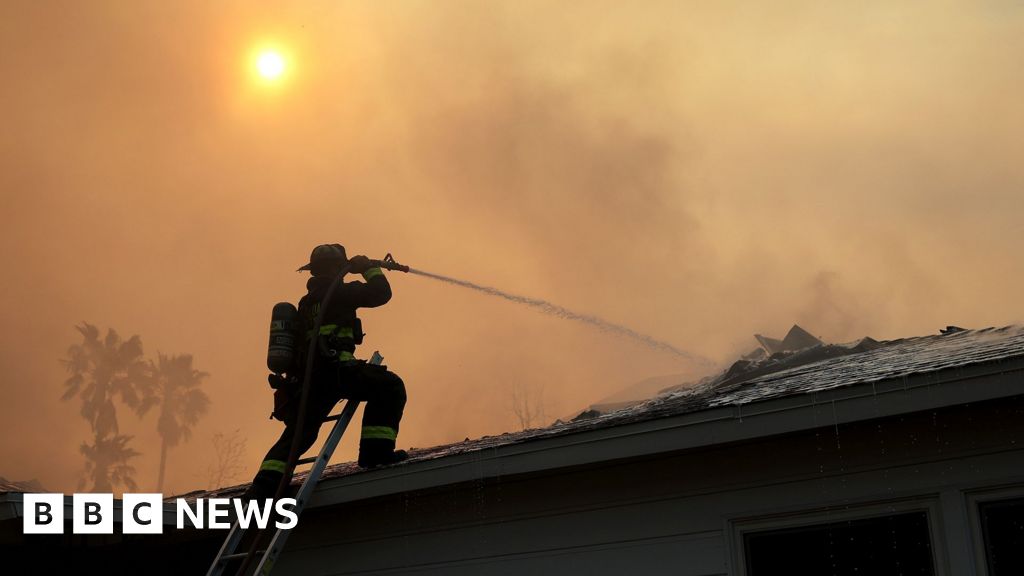
Global average temperatures in 2025 remained extremely high—more than 1.4°C above late-1800s pre-industrial levels—although slightly cooler than 2024 due to La Niña, according to Copernicus and the Met Office; the last three years are the warmest on record. Scientists warn persistent high temperatures, continued greenhouse-gas emissions and natural variability mean further record-breaking heat and worsening weather extremes (e.g., Los Angeles fires, Hurricane Melissa), bringing the world closer to breaching the 1.5°C international target likely by the end of the decade. For investors, the update underscores growing physical and policy risks from climate change that will influence valuation, risk premia and demand for climate mitigation/adaptation financing over the medium-to-long term.
Market-structure: Persistent record warm years (even through La Niña) accelerate demand for decarbonisation capex and climate resilience. Near-term winners: regulated/contracted renewable utilities (e.g., NEE), grid/inverter/storage suppliers, and critical-minerals producers (Li, Cu). Losers: coastal real‑estate REITs, undercapitalised P&C insurers and fossil‑fuel incumbents facing higher transition risk and potential carbon pricing; expect pricing power to shift toward low‑carbon inputs over 12–36 months.
Risk assessment: Tail risks include abrupt regulatory shocks (e.g., EU/US carbon levy >$50/t within 12–24 months), major catastrophe seasons causing insurer solvency stress, and critical‑minerals supply disruptions (DRC/Chile concentration) that spike raw‑material inflation. Immediate volatility will be event-driven (days–weeks), medium term sees repricing of insurance/real‑estate (months), and long term (years) structural capex reallocation and potential stranded-asset recognition.
Trade implications: Favor long lithium/copper exposure and durable renewables contractors, hedge with insurance‑loss volatility via cat bonds or short-dated P&C put protection. Rotate out of uninsured coastal REITs and commodity‑heavy thermal coal utilities; increase exposure to grid resilience and storage names. Use option spreads around earnings/weather seasons to control cost and time risk.
Contrarian angles: Consensus underestimates short-term capex bottlenecks in critical minerals that can drive 20–50% price moves over 6–18 months, creating a squeeze benefitting diversified miners but hurting early-stage juniors. Conversely, insurance-sector selloffs after a bad season may be overdone; well‑capitalised diversified reinsurers (long-term pricing power) can outperform once rates harden.
AI-powered research, real-time alerts, and portfolio analytics for institutional investors.
Request DemoOverall Sentiment
moderately negative
Sentiment Score
-0.30
