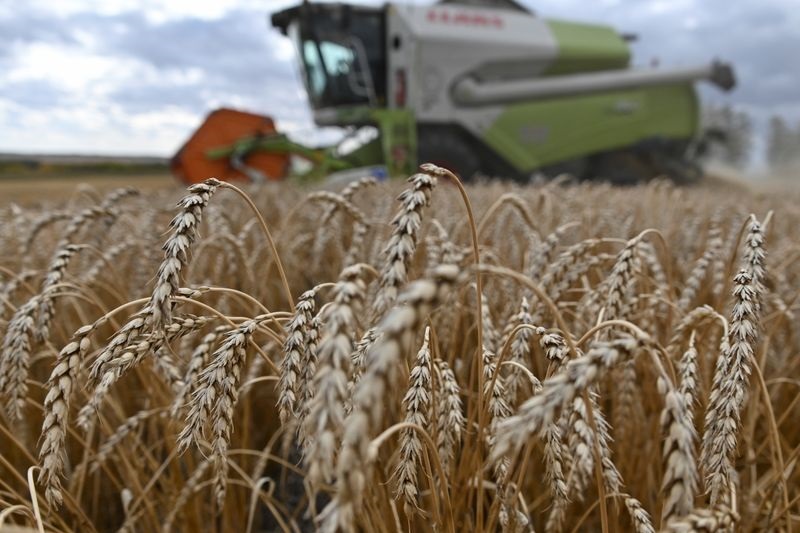
CBOT July wheat settled 13 cents higher at $6.29-3/4 per bushel, while K.C. July wheat rose 8-1/4 cents to $6.67-1/4 and Minneapolis July spring wheat was unchanged at $6.76. The move was driven by higher crude oil prices, a weaker U.S. dollar, and war premium from escalating Middle East tensions, partially offset by rain forecasts that may ease U.S. Plains drought stress. Roughly a third of winter wheat is still expected to remain stressed in the near term.
The cleaner second-order read is not wheat beta alone but the cross-commodity transmission from elevated energy into ag input costs, freight, and fertilizer. If crude stays bid for more than a few weeks, growers face a squeeze in diesel, drying, and transport just as they are deciding whether to lock in forward sales, which can keep nearby wheat supported even if weather improves. That makes the market less about a one-off weather scare and more about a margin-protection bid across the grain complex.
The more important dynamic is dispersion within agriculture. Hard red winter wheat should remain the most sensitive to Plains moisture, while spring wheat is relatively insulated unless the broader energy move pulls acreage economics higher into the next planting cycle. If rainfall only partially relieves stress, the market can transition from yield-loss risk to quality-risk risk, which tends to sustain premium pricing even after headline weather anxiety fades.
For macro assets, the article is mildly supportive of energy equities and inflation-sensitive commodities, but not enough to justify chasing broad risk assets. The bigger implication is that a persistent Middle East premium can keep the dollar supported and real rates sticky, which is a headwind for non-yielding stores of value over the medium term despite the near-term bid. That creates a cleaner opportunity in relative value than outright commodity longs.
The contrarian point is that weather scares often overshoot before crop conditions or exports confirm the damage. If the Plains receive meaningful rain within 10-14 days, the trade may unwind quickly, especially with speculative length already primed to react to geopolitics. The highest-risk window for short volatility is the next two weeks; after that, the market should refocus on actual yield revisions rather than headline storm risk.
AI-powered research, real-time alerts, and portfolio analytics for institutional investors.
Request DemoOverall Sentiment
neutral
Sentiment Score
0.15
Ticker Sentiment
