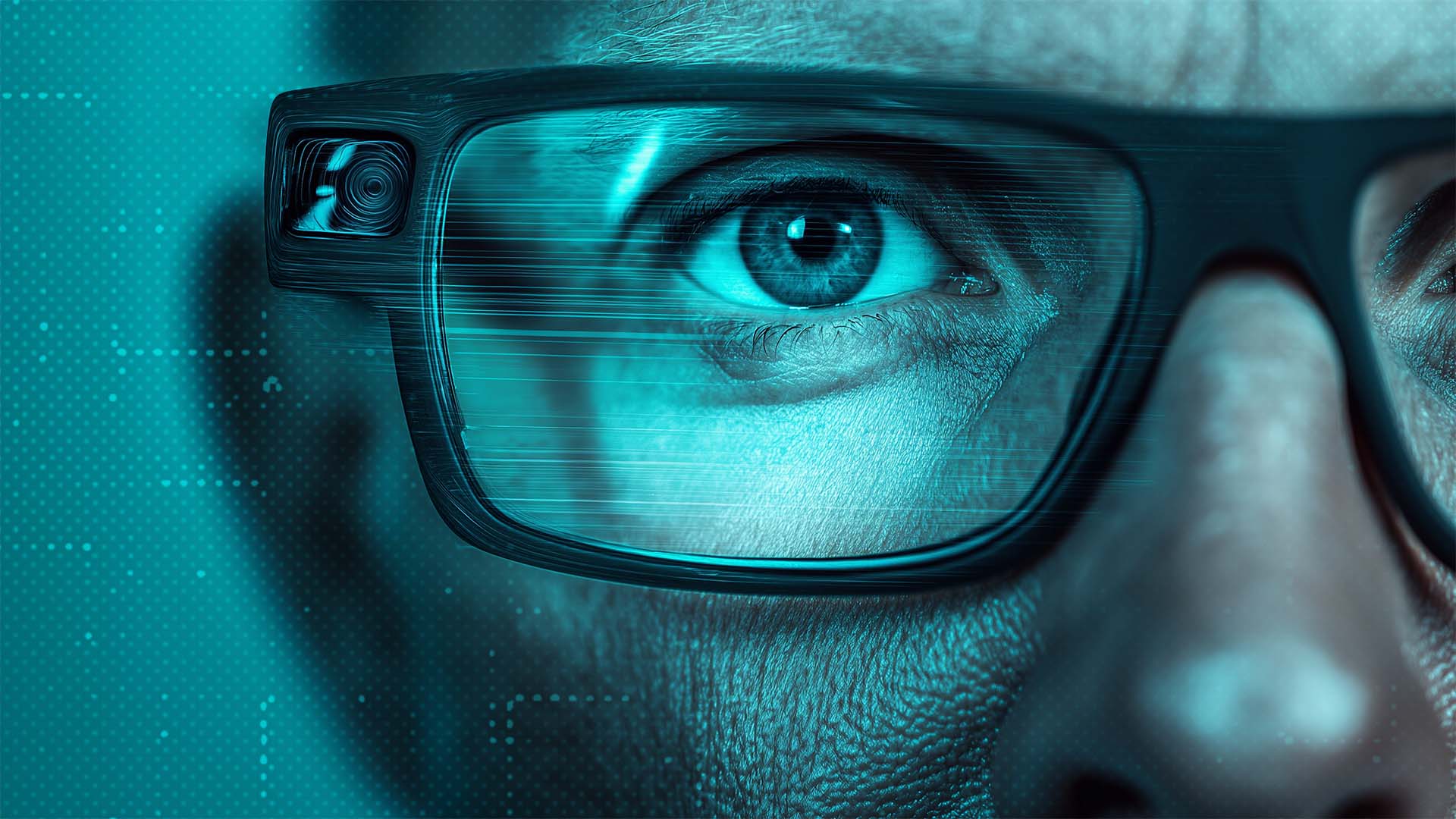
The article argues that smart glasses create meaningful privacy and security risks by enabling surreptitious recording, facial identification, and AI-assisted data extraction. It highlights potential exposure of PINs, passwords, and bank details, plus risks from cloud storage, human review, and hacking vectors such as rogue Wi‑Fi and malicious apps. The piece also notes that Meta, Google, Apple, Amazon, and Chinese players are advancing products, while regulators are already scrutinizing related AI privacy practices.
The first-order read is not “smart glasses are coming back”; it’s that the product category is becoming an AI data-collection layer, which shifts the profit pool from hardware margins to recurring services, model training, and identity graphs. That should favor the platform owners with distribution and clouds, but it also widens the regulatory overhang because the product’s value proposition is inseparable from ambient capture. Meta is most exposed near term: it gets the most engagement upside from adoption, but it also concentrates the reputational and compliance risk if users discover how much data is retained, reviewed, or reused.
The second-order winner may be less obvious: AI infra and device-enablement suppliers benefit if the category scales, while consumer hardware OEMs without proprietary AI stacks face commoditization risk. Apple is the cleanest long-duration beneficiary if it can frame glasses as privacy-preserving, on-device, and tightly permissioned; that would let it sell trust rather than raw capability. Google is in a similar position strategically, but its ad-tech DNA makes the privacy narrative harder to neutralize in the public imagination.
The risk catalyst is regulatory, but the timing matters: this is more of a 6-18 month headline/standards issue than a next-week earnings issue. A major publicized misuse case, school/workplace bans, or an FTC/EU action on retention/training defaults could slow adoption sharply and force feature rollbacks. Conversely, if the next generation ships with on-device inference, visible recording indicators, and default opt-outs for training, the market will likely re-rate the entire category back toward a growth story.
The consensus may be overpricing the consumer novelty and underpricing the enterprise/social backlash. Wearable AI that silently captures context is a growth product in demos but a governance problem in shared spaces; that tends to create uneven adoption, with pockets of enthusiasm and broad social resistance. That asymmetry argues for buying the enablers and selling the most visible monetizers until the regulatory regime is clearer.
AI-powered research, real-time alerts, and portfolio analytics for institutional investors.
Request DemoOverall Sentiment
moderately negative
Sentiment Score
-0.35
Ticker Sentiment
