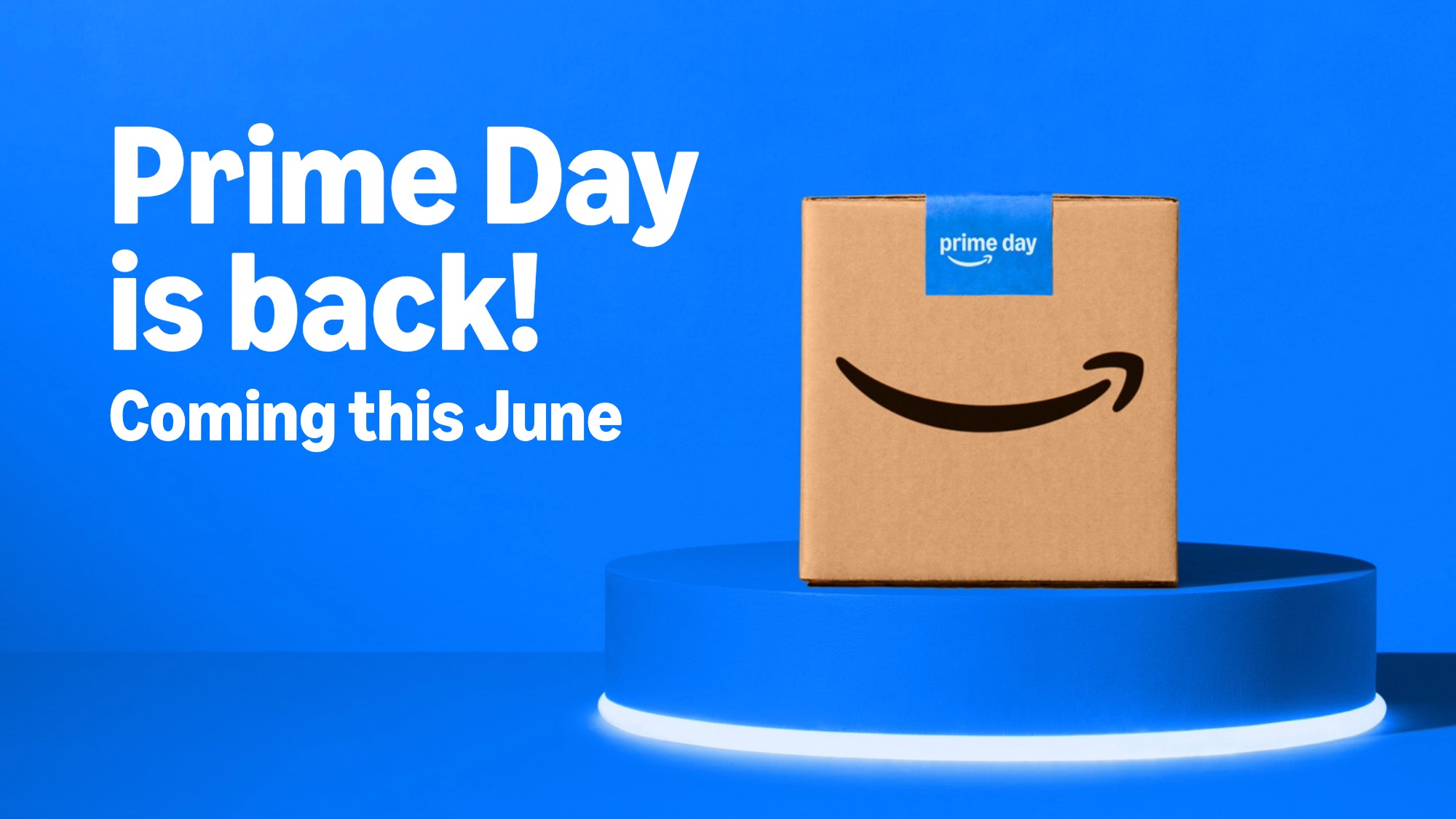
Amazon announced Prime Day 2026 will return in June across 26 countries, with additional markets including Australia, Brazil, India, and Japan shopping later this summer. The event will feature deep discounts across electronics, beauty, apparel, fresh groceries, and household essentials, reinforcing Prime's value proposition and retail engagement. The article also highlights record Prime Day 2025 results, including more than 35 product categories, $105 billion in global delivery savings for members, and 13 billion items delivered same or next day.
This is less about one promotional event and more about Amazon reasserting control over consumer demand cadence. Pulling the sale earlier in the summer shifts discretionary spend forward, which should help near-term retail throughput but can also create a demand air pocket later in Q3 as households pre-load big-ticket and replenishment categories. The bigger second-order benefit is on seller economics: marketplace merchants will likely accept thinner near-term margins in exchange for traffic, which reinforces Amazon’s flywheel and makes share gains harder for lower-frequency retailers to defend.
The logistics read-through is more important than the headline discounting. A successful event across a broader country set implies Amazon is still using speed and fulfillment density as a competitive moat, and that tends to pressure regional parcel, last-mile, and warehouse operators on service expectations while advantaging Amazon’s own network leverage. If conversion is strong, the event becomes a proof point for ad monetization as well: high-intent traffic should lift sponsored product spend, supporting a multiple expansion case for the ads-heavy parts of the business even if retail gross margin remains noisy.
The market may be underpricing the duration of the benefit. Consensus will likely treat this as a one-off U.S. retail traffic pop, but the real value is incremental Prime retention and higher order frequency over subsequent months. The main reversal risk is consumer fatigue or trade-down behavior if deal quality disappoints; in that case, the event becomes traffic-expensive rather than margin-accretive, and the stock could give back quickly on weaker post-event engagement metrics. Bigger picture, any evidence of record fulfillment efficiency should also keep pressure on competitors that cannot match two-day-plus convenience without subsidizing shipping.
AI-powered research, real-time alerts, and portfolio analytics for institutional investors.
Request DemoOverall Sentiment
mildly positive
Sentiment Score
0.35
Ticker Sentiment
