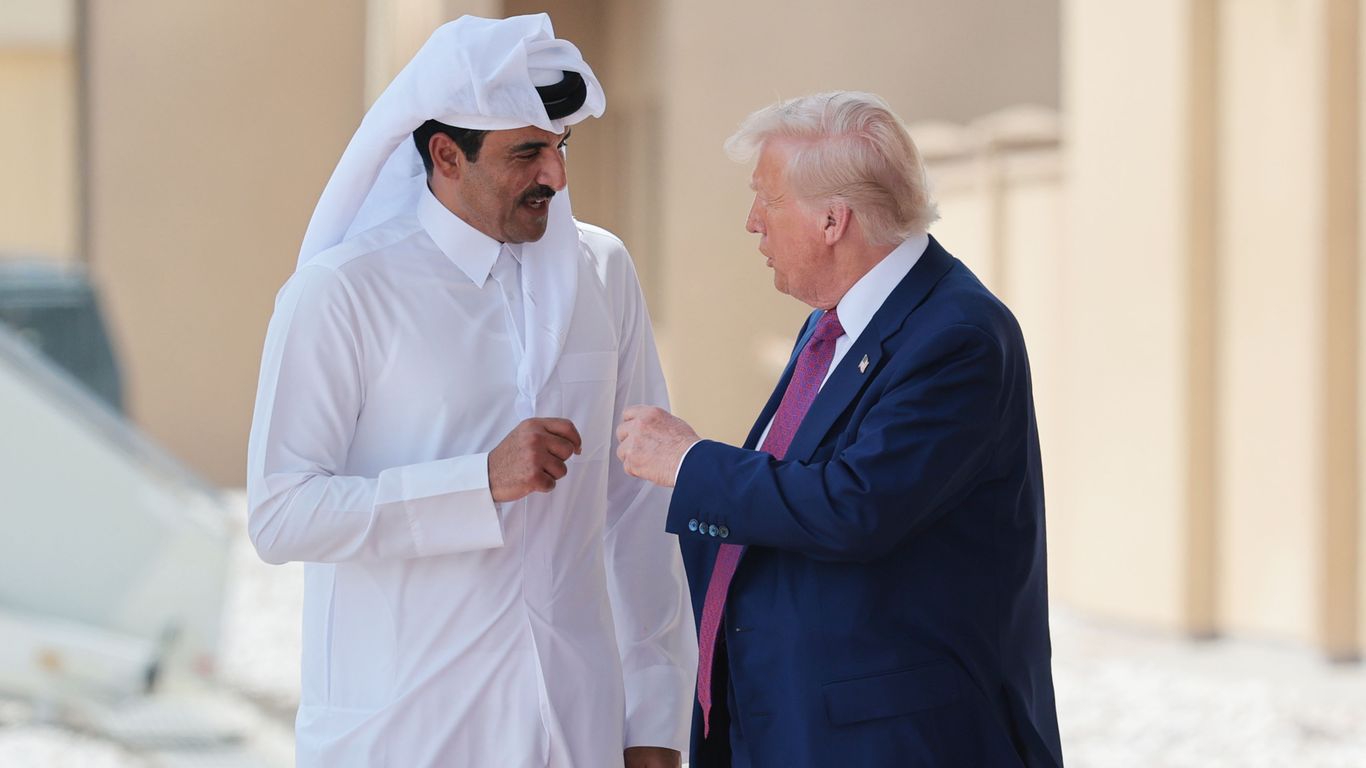
President Trump issued an executive order providing Qatar an unprecedented U.S. security guarantee, treating any armed attack on Qatar as a threat to U.S. peace and security, akin to NATO's Article 5. This less-binding agreement, reportedly compensation for a failed Israeli strike in Doha, significantly elevates Qatar's strategic position as a critical U.S. ally in the Middle East, a status other regional powers have long sought. The move fundamentally alters regional geopolitical dynamics and enhances the stability perception of Qatar for institutional investors.
The United States has established an unprecedented security guarantee for Qatar via a presidential executive order, fundamentally altering the geopolitical risk landscape of the Middle East. This policy, which frames an armed attack on Qatar as a threat to U.S. peace and security, elevates Qatar to a strategic status previously unattained by any other Arab nation, including regional powers like Saudi Arabia that have long sought similar assurances. The order is reportedly a direct consequence of a failed Israeli strike in Doha, demonstrating Qatar's ability to leverage a regional crisis into a significant strategic gain. While the guarantee is less binding than a Senate-approved treaty, it mandates joint contingency planning and a U.S. response—including diplomatic, economic, and potential military measures—to any foreign aggression. This formalizes a remarkable turnaround for Qatar, which transitioned from being blockaded by its neighbors at the start of the Trump administration to becoming one of the closest U.S. allies in the region, second only to Israel.
AI-powered research, real-time alerts, and portfolio analytics for institutional investors.
Overall Sentiment
mildly positive
Sentiment Score
0.35
