
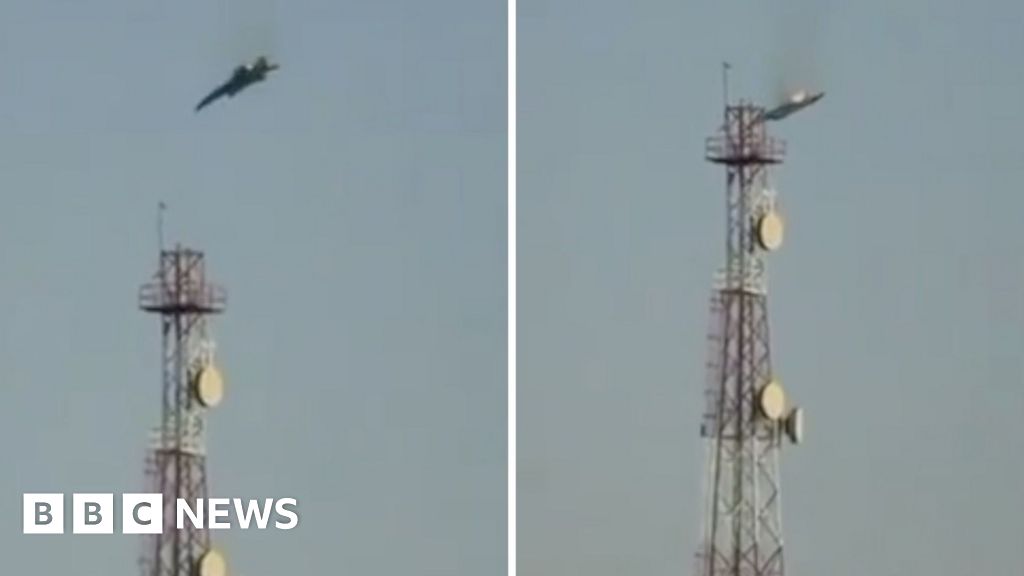
Three US F-15 fighter jets were shot down over Kuwait in what US Central Command described as an apparent friendly-fire incident by Kuwaiti air defenses; all six crew ejected and were recovered and the cause is under investigation. Centcom also announced a fourth US service-member death from Iran's initial attacks and five seriously wounded, while the US-Israeli operation dubbed 'Epic Fury'—which the article says killed Iran's Supreme Leader Ayatollah Ali Khamenei and other senior figures—has precipitated strikes and explosions across the region (Lebanon, Israel, Bahrain, Dubai, Saudi Arabia) including a Saudi refinery fire and large reported Iranian casualties, creating acute regional risk that is likely to pressure energy prices and push markets into a risk-off posture.
Market structure: Immediate winners are large defense primes (Lockheed LMT, RTX, Northrop NOC) and integrated oil producers (XOM, CVX, EOG) as buyers price in higher defense spending and oil-risk premia; immediate losers are airlines (UAL, AAL), Gulf shipping/insurers and EM export-dependent currencies. Pricing power shifts toward energy producers and defense contractors for 3–12 months as military procurement and replacement cycles (months–years) create durable revenue visibility, while travel-related sectors face margin compression from $5–20/bbl oil moves and higher war-risk insurance.
Risk assessment: Tail risks include a major regional closure of the Strait of Hormuz (low-probability, high-impact -> crude +$20–40/bbl in days) or direct strikes on Saudi fields; immediate horizon (0–7 days) is volatility spikes, short-term (weeks–3 months) is commodity-driven earnings swings, long-term (3–24 months) is fiscal/defense budget reallocations. Hidden dependencies: insurance/warranties for tankers, semiconductor inputs for weapons supply chains, and potential sanctions cascades that could impair cash flows; catalysts are troop movements, additional state actors entering, and OPEC output decisions.
Trade implications: Volatility is the actionable channel: buy protection and trade energy/defense vs travel. Near term (48–72h) favor long commodity/defense and long-tail volatility (VIX calls or VXX call structures) while shorting airlines and EM beta; set explicit triggers (add if WTI > $95 or VIX > 30). Exit or reprice exposures if conflict containment signals appear within 2–4 weeks or if oil retraces 15% from its intraday peak.
Contrarian angles: Markets may overshoot downside for travel and small-cap defense suppliers may be unfairly punished; historically (1990–91 Gulf War) oil spiked then mean-reverted ~20–30% within 6–12 weeks absent infrastructure strikes, so consider selling premium into initial VIX spikes and selling covered calls on defensive longs after 10–20% rallies. Unintended consequence: rapid fiscal stimulus for defense could boost cyclicals tied to manufacturing—look beyond headline winners.
AI-powered research, real-time alerts, and portfolio analytics for institutional investors.
Request TrialOverall Sentiment
strongly negative
Sentiment Score
-0.75
Ticker Sentiment
