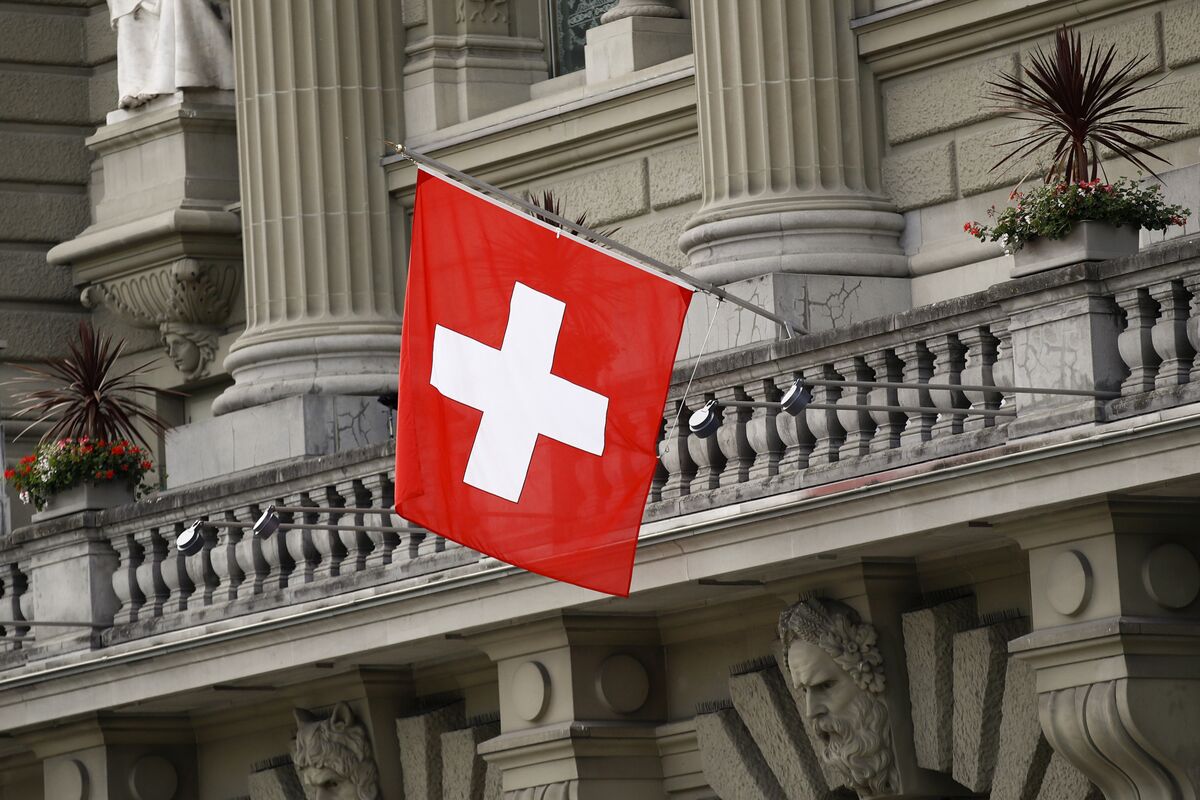
The Swiss government is exploring the introduction of new fees to fund its Money Laundering Reporting Office (MROS), citing a sharp increase in suspicious activity reports that necessitate expanded resources. This initiative, with the justice department tasked to present funding options by the end of next year, signals Switzerland's commitment to bolstering its anti-money laundering framework and could introduce new operational costs for financial institutions operating within or with the country.
The Swiss government is formally considering new funding mechanisms for its Money Laundering Reporting Office (MROS), a direct reaction to a significant increase in suspicious activity reports that have strained the agency's capacity. The justice department has been tasked with presenting funding options, including the potential introduction of fees, by the end of next year. This initiative signals a proactive strengthening of Switzerland's anti-money laundering (AML) and regulatory enforcement framework. While the immediate market impact is low, the proposal is a leading indicator of future increases in operational and compliance costs for financial institutions operating within or transacting with Switzerland. The extended timeline provides the financial sector with a window to anticipate and prepare for these changes, but the directional trend is clearly towards a more robustly funded and stringent regulatory environment.
AI-powered research, real-time alerts, and portfolio analytics for institutional investors.
Request DemoOverall Sentiment
neutral
Sentiment Score
0.00
