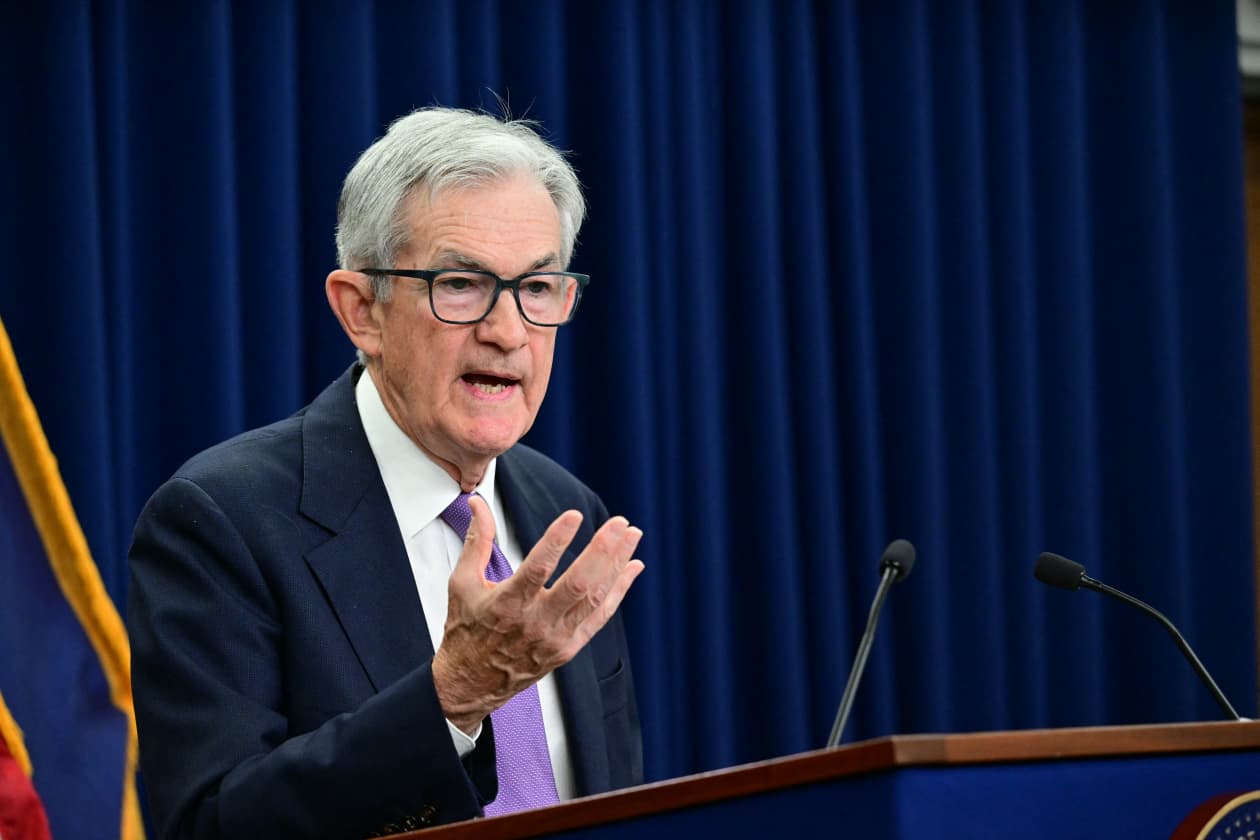
Markets have swung toward pricing a December Fed rate cut at better than 70% after recent weak labor-market data — including a rise in the unemployment rate to 4.4% in September and signs the “low hiring, low firing” dynamic may be worsening — and forceful public comments from New York Fed President John Williams. The Fed has already eased twice (25bp in September and October) to a 3.75%–4% policy range, and influential officials including Chair Powell, Williams and governor Christopher Waller appear to support another cut, though one or more dissents are expected amid sharp disagreements on whether policy is already loose and how to interpret inflation. Absent updated government data because of the shutdown, policymakers face a difficult stagflationary trade-off, and any December move is likely to be framed as insurance aimed at slowing economic deterioration while attempting to avoid reawakening inflation fears.
Markets materially repriced the December Fed meeting after New York Fed President John Williams’s remarks, lifting odds of a rate cut to above 70% from roughly 40% the day before; this shift was reinforced by September’s unemployment rate rising to 4.4%, the highest in nearly four years, and signs the "low hiring, low firing" labor dynamic may be deteriorating. The Fed has already delivered two consecutive 25bp cuts in September and October, bringing the policy range to 3.75%–4.00%, and several influential officials (Powell, Williams, Waller) appear aligned behind another easing move.
Policymakers remain sharply divided on whether policy is already loose and on how to interpret inflation, and the committee may record one or more dissents; the ongoing government shutdown means the Fed will lack the latest official job and inflation prints at the December meeting, raising uncertainty around the timing and framing of any cut. Economists quoted in the article frame a potential December cut as an "insurance" move to address labor-market weakening while attempting to avoid re-igniting inflation expectations.
The combination of weakening employment, still-elevated inflation readings and internal Fed disagreement creates a stagflationary policy challenge that can produce volatile rate and cross-asset moves; market pricing may initially favor lower short-term yields if a 25bp cut arrives, but any post-cut inflation surprises or continued labor strength would prompt a rapid re-pricing and potential dissent-driven volatility. Strategically, investors should treat a December cut as probable but not decisive, preferring tactical duration exposure and close monitoring of incoming labor and inflation data once government reporting resumes.
AI-powered research, real-time alerts, and portfolio analytics for institutional investors.
Request DemoOverall Sentiment
mildly positive
Sentiment Score
0.25
