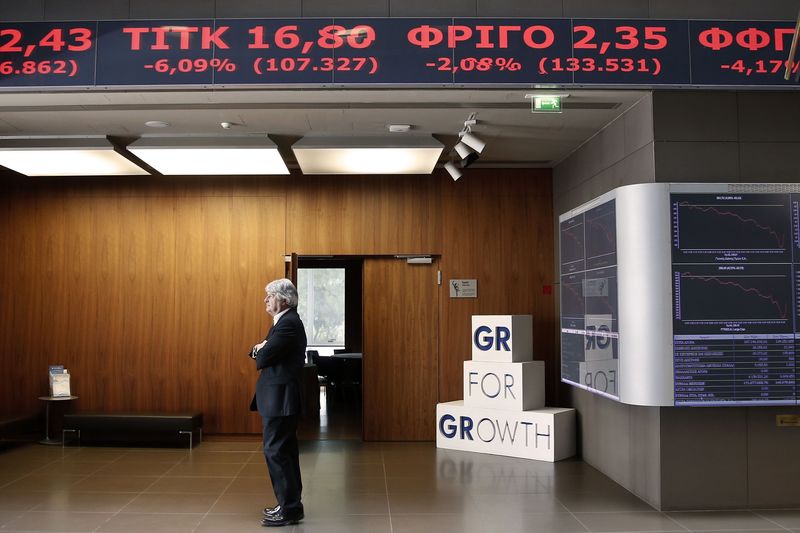
Greek equities rose 0.17% at the close, led by Construction, Travel and Technology names, while Holding Company ADMIE IPTO SA hit an all-time high and jumped 5.36%. In commodities, July crude oil fell 0.47% to $76.24 a barrel and August Brent edged up 0.33% to $80.11, with gold down 1.95% to $4,163.07 an ounce. FX was broadly steady, with EUR/USD unchanged at 1.15 and the U.S. Dollar Index down 0.04% to 100.58.
The immediate read-through is a modest relief trade in energy geopolitics, but the bigger signal is that the market is still treating Middle East risk as a headline premium rather than a sustained supply regime change. That matters because when diplomatic risk is deferred, front-end crude often gives back quickly, yet the physical market can stay tight if prompt balances remain undersupplied. In other words, the oil reaction is more about positioning unwinds than a durable reassessment of barrels available in the next 30-60 days.
The more interesting second-order effect is across European cyclicals and utilities linked to imported energy costs. A softer crude tape helps margin-sensitive sectors, but it also reduces urgency around domestic energy security, which can temper incremental rotation into grid, transmission, and infrastructure names that have been trading on strategic capex themes. That creates a narrower opportunity set: beneficiaries are likely to be downstream consumers and transport-adjacent names, while upstream beta may underperform unless crude re-accelerates on physical outages or a policy surprise.
The contrarian view is that the market may be underpricing how quickly postponed talks can convert into a larger risk premium if negotiations slip into the next macro window. The setup favors a short-lived dip in oil unless inventories and freight confirm looser balances; if not, any geopolitical spike would be sharp because speculative length is likely not well hedged after a weekly decline. For equities, this argues for avoiding late-cycle chasers in energy producers and instead expressing the view through pairs or options where the downside is defined and the carry is limited.
AI-powered research, real-time alerts, and portfolio analytics for institutional investors.
Overall Sentiment
neutral
Sentiment Score
0.05
Ticker Sentiment
