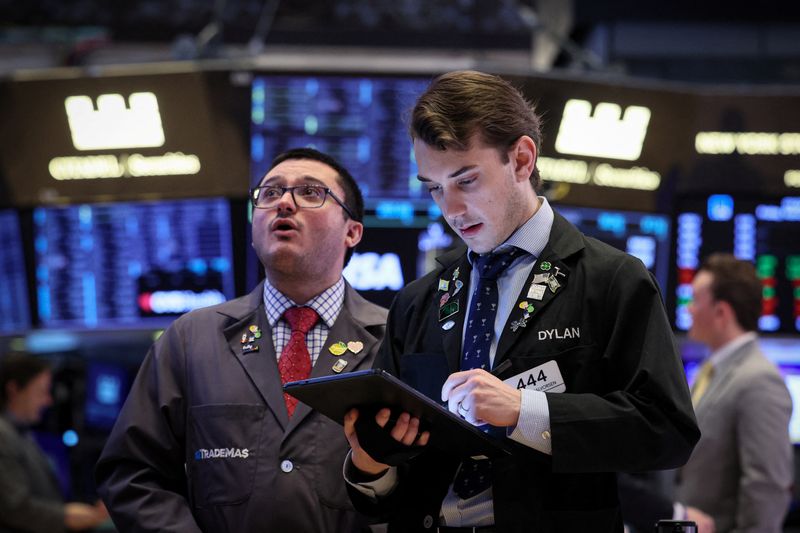
Oil jumped more than 3% after Trump called Iran’s response to a U.S. peace proposal "totally unacceptable," keeping geopolitical risk elevated around the Strait of Hormuz. U.S. equity futures softened slightly, with S&P 500 futures down 0.1% to 7,408.25, Nasdaq 100 futures flat at 29,339.50, and Dow futures down 0.2% to 49,581. Friday’s record closes were supported by chip stocks and stronger-than-expected April payrolls, with the S&P 500 up 0.8% to 7,398.93 and the Nasdaq up 1.7% to 26,247.08.
The immediate market read-through is not just higher crude; it is a higher volatility regime across every asset with Middle East transport exposure. The first-order beneficiaries are upstream energy and oil-services, but the bigger second-order effect is on sectors that depend on uninterrupted Asian semiconductor and industrial supply chains: even a modest disruption premium raises working capital, freight, and inventory buffers, which is a quiet margin headwind for hardware names with global manufacturing footprints.
The chip complex is where the setup is most interesting. Strong AI demand can still carry semis, but the geopolitical shock adds an input-cost and logistics overhang that is poorly reflected in euphoric multiples; companies with the strongest narrative and highest expectations are the most vulnerable to any pause in order acceleration. INTC looks relatively better positioned than the consensus understands because any strategic partnership and domestic manufacturing optionality become more valuable in a world where foreign supply reliability is being repriced.
The macro wildcard is duration: a few days of oil stress is manageable, but if shipping risk persists for weeks, the market will start discounting a slower growth path and stickier inflation, which would compress long-duration growth assets even if the Fed stays on hold. The consensus is likely underestimating how quickly headline risk can morph into sector rotation rather than broad market drawdown; that argues for treating this as a dispersion trade, not a simple beta short.
The contrarian angle is that record highs and resilient payrolls can coexist with a contained geopolitics shock if energy routes remain partially functional and diplomacy reopens optionality. In that case, the move in oil may fade faster than implied vol, creating a favorable setup to buy downside protection on the most crowded winners while fading the impulse to de-risk everything.
AI-powered research, real-time alerts, and portfolio analytics for institutional investors.
Request DemoOverall Sentiment
mildly negative
Sentiment Score
-0.15
Ticker Sentiment
