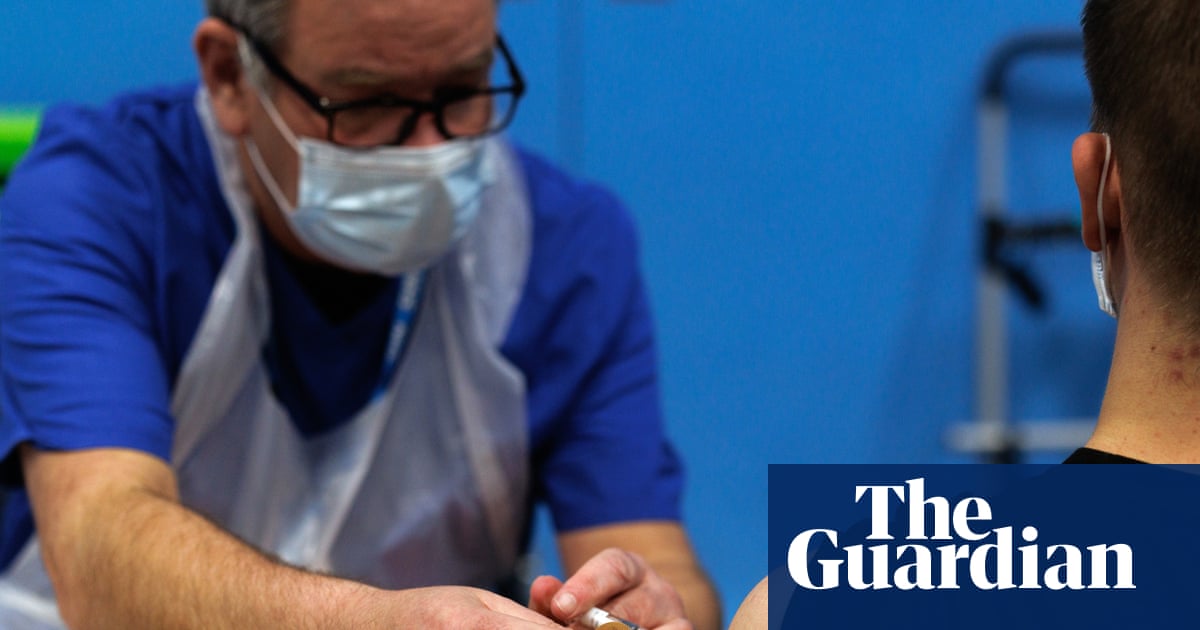
29 total meningitis cases linked to the Kent outbreak (18 confirmed, 11 probable) with only two new cases reported on Friday, suggesting the peak may have passed. Public health teams have administered 2,360 vaccinations and distributed 9,840 antibiotic doses; one teenage fatality has been reported. Initial genetic analysis indicates the Bexsero MenB vaccine should protect against the strain, but full genome sequencing is ongoing to assess any changes in transmissibility.
This outbreak’s immediate market consequence is not a large revenue shock but a policy and procurement signal. Public-health decision making (sequencing readouts in 2–4 weeks; JCVI-style advisory timelines in 1–3 months) is the real catalyst: an update recommending routine adolescent MenB vaccination would flip a localized response into a multi-year demand stream measured in millions of doses rather than tens of thousands.
Sequencing work creates a second-order demand path for genomics and public-lab players—besides a one-off surge in diagnostics, public labs will likely budget for increased WGS capacity and reagent inventory to shorten turnaround times, which benefits instrument/reagent incumbents with installed base and service contracts. Conversely, the commercial upside for antibiotic suppliers is blunt and short-lived; routine procurement moves and political will matter far more than emergency dispensing.
Tail risk is asymmetric: a confirmed increase in transmissibility or a second super-spreading event within weeks would force national mitigation, emergency procurement and accelerated vaccination policy, creating upside in vaccine makers and sequencing suppliers; the converse—a clean genomic read confirming no increased invasiveness—would largely close the reactive procurement window. The reputational and political pressure from a high-profile fatality raises the probability of precautionary policy change by regulators even if epidemiology is equivocal, compressing the decision-maker’s threshold for recommending routine vaccination over the next 6–18 months.
AI-powered research, real-time alerts, and portfolio analytics for institutional investors.
Request DemoOverall Sentiment
mildly negative
Sentiment Score
-0.25
