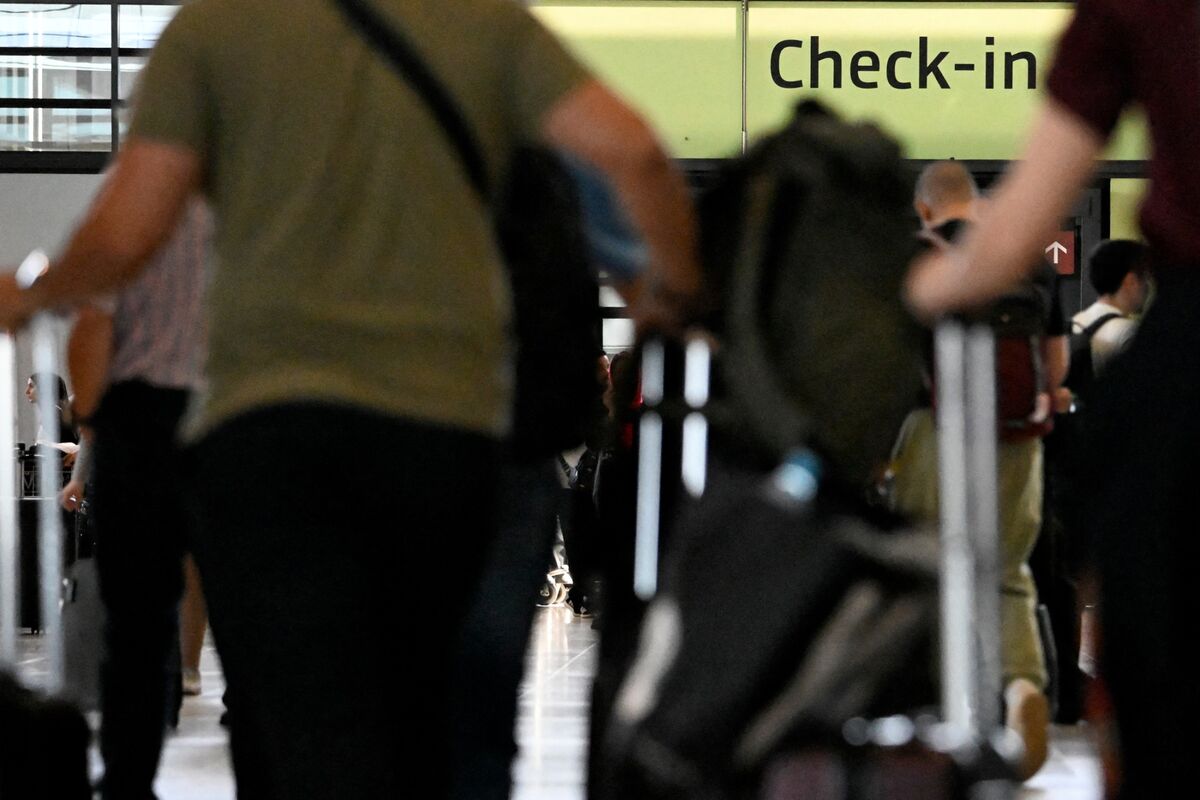
Germany is actively courting Indian talent, aiming to benefit from the restrictions and uncertainty surrounding H-1B visas under the Trump administration in the United States. This strategic initiative positions Germany as an alternative destination for skilled professionals, potentially impacting global talent flows and bolstering its domestic workforce.
Germany is strategically positioning itself to attract high-skilled professionals from India, directly capitalizing on the uncertainty and restrictive policies surrounding the H-1B visa program in the United States. This development signals a potential shift in global talent migration flows, particularly within the technology and innovation sectors. While the immediate market impact is assessed as low, this trend represents a significant long-term opportunity for the German economy to bolster its skilled workforce and a potential headwind for U.S. industries reliant on foreign talent. The move highlights how immigration policy, driven by domestic politics, is becoming a critical factor in international economic competitiveness, with Germany proactively seeking to benefit from restrictive U.S. measures.
AI-powered research, real-time alerts, and portfolio analytics for institutional investors.
Request DemoOverall Sentiment
mildly positive
Sentiment Score
0.30
