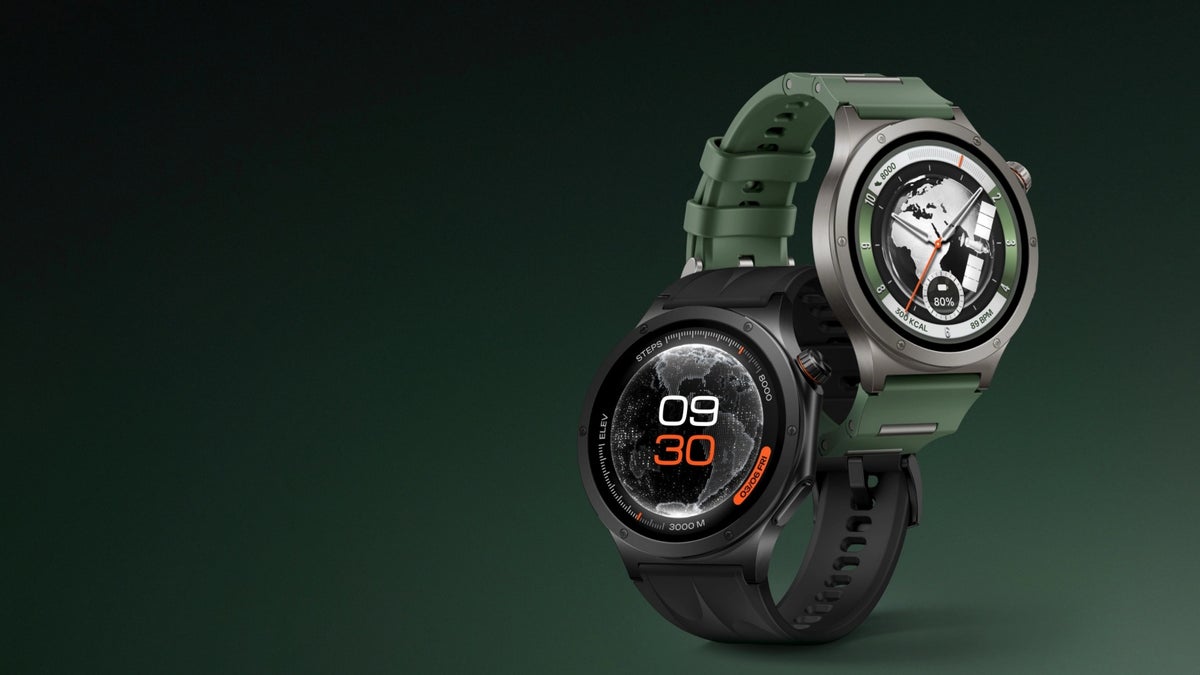
OnePlus has officially unveiled the Watch 4, but the product appears to be a near-clone of the Watch 3, with only minor changes such as IP69 certification, slightly lower weight and thickness, and updated color branding. Key specs remain largely unchanged, including the 1.5-inch LTPO OLED display, Snapdragon W5 chip, 2GB RAM, 32GB storage, and 646mAh battery with up to 3 days of heavy-use battery life. The company has not yet announced pricing or a release date, creating uncertainty around the commercial impact.
This reads less like a launch and more like a demand-preservation exercise: when a hardware refresh is almost purely cosmetic, the company is signaling that its near-term objective is margin defense, not category expansion. That usually implies a rationalization of SKU complexity, tighter inventory risk, and a higher probability of promotional pricing later in the cycle if initial sell-through disappoints. The real competitive implication is not against Apple on specs, but against mid-tier Android wearables where a few dollars of price difference can determine channel placement and attach rates.
The biggest second-order effect is on the broader wearable ecosystem: if the product comes in at the prior generation's price or higher, it risks compressing value perception across the entire Android watch segment and forcing rivals to either discount or add features faster. If, instead, it ships at a modest discount, it becomes a clearing mechanism for existing component relationships while extending the lifecycle of the same industrial design. In either case, the supplier mix is likely stable in the short run; the more meaningful impact is on retailer enthusiasm and marketing spend, which can decay quickly when a launch lacks novelty.
The key risk window is the first 30-60 days after pricing is disclosed. A premium price with no meaningful differentiation would likely limit unit velocity and increase the odds of aggressive holiday markdowns, while a surprise price cut would be an admission that the prior cycle was overpriced and that category demand is elastic. The contrarian angle is that repetition may not be a flaw if the brand has found a battery-life-led niche; consumers in wearables often buy on endurance and reliability, not spec deltas, so the product could still outperform expectations if positioned as a low-maintenance alternative to the Apple ecosystem.
AI-powered research, real-time alerts, and portfolio analytics for institutional investors.
Request TrialOverall Sentiment
mildly negative
Sentiment Score
-0.15
