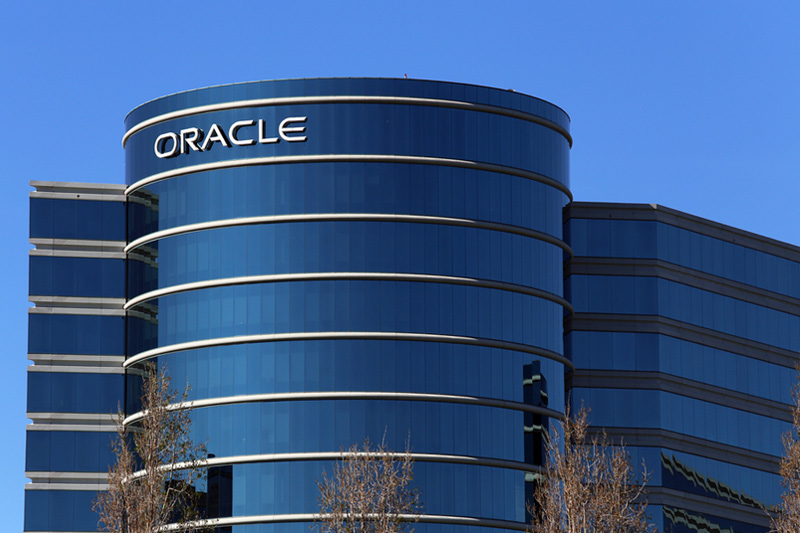
Wedbush reiterated an Outperform rating on Oracle with a $225 price target versus the current $164.36 share price, implying roughly 37% upside. The firm said AI demand remains very strong, OpenAI concerns are overblown, and Oracle’s backlog should be supported by OpenAI’s capital and liquidity, while Oracle continues expanding AI infrastructure with new NetSuite and data center projects. The article is broadly constructive for Oracle and AI infrastructure exposure, though much of the content is reiteration and commentary rather than a new operational catalyst.
The market is treating Oracle as a clean AI beneficiary, but the more important angle is that the company is becoming a capital intermediary for the AI buildout, not just a software vendor. That changes the earnings profile: upside is increasingly tied to financing capacity, utility interconnects, and delivery discipline rather than pure software demand, which means the stock can rerate on execution but can also de-rate abruptly if funding markets tighten or project timelines slip.
The second-order winner is Bloom Energy: if Oracle’s large-campus plans continue to tilt toward fuel cells, Bloom gets a differentiated sales channel into hyperscale-style demand with a much larger addressable pipeline than legacy distributed generation. The loser is the generic gas-turbine ecosystem and any merchant power narrative that assumed AI load would be met with conventional capacity additions; fuel-cell deployments can compress the window for turbine OEMs and gas infrastructure attach rates in data-center markets.
The key risk is not near-term demand, but financing and concentration. A multi-year AI backlog supported by structured debt works until credit spreads widen or one marquee counterparty forces renegotiation; then the market stops valuing backlog as revenue visibility and starts valuing it as contingent exposure. Over the next 3-12 months, watch for any widening in AI-linked project bond spreads or delays in interconnect/power procurement, because that would be the first sign the thesis is moving from growth story to balance-sheet story.
Consensus is probably underestimating how much of the re-rating already depends on flawless capital formation. If the AI spend cycle remains strong but the cost of funding rises, the equity can underperform even while the narrative stays positive. That creates a cleaner relative-value setup than a naked directional bet: long the infrastructure provider with the most credible contracted backlog, short the parts of the supply chain most exposed to financing friction and long-dated project risk.
AI-powered research, real-time alerts, and portfolio analytics for institutional investors.
Request DemoOverall Sentiment
mildly positive
Sentiment Score
0.38
Ticker Sentiment
