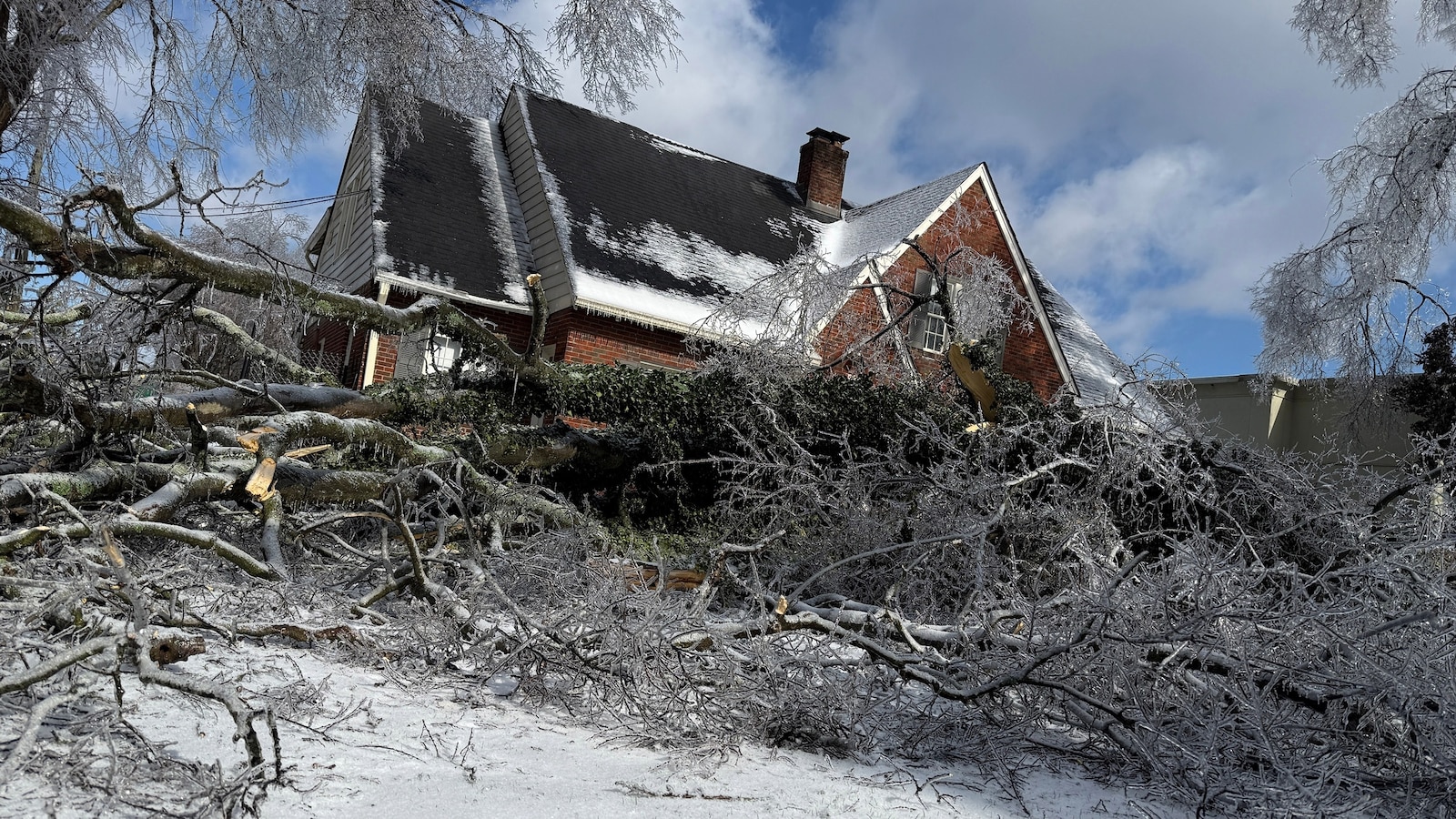
A renewed arctic blast is moving across the U.S. South after an ice storm left tens of thousands without power, multiple fatalities, and damaged infrastructure; lows are forecast into the teens across Tennessee and northern Mississippi with wind chills below zero and widespread snow possible in the Southeast. Florida faces its coldest readings in over 15 years in some locations (Orlando forecast low ~24°F; Miami forecast low ~36°F) with forecasters warning of freeze conditions that could kill crops and damage unprotected plumbing; growers report frost damage to snap beans, sweet corn, squash and peppers and citrus operators are activating frost-protection measures. Power restoration is hampered by fallen trees and multi-line outages in regions not engineered for ice events, implying short-term disruptions to transportation, produce supply chains and localized energy demand.
Market structure: Immediate winners are natural gas (prompt heating demand) and storm-recovery contractors/insulators; losers are short-harvest Florida producers, regional distribution-heavy retailers, and utilities facing repair costs. Expect 7–21 day upside pressure on Henry Hub (10–30% move possible) and 1–3 month revenue boosts for specialty contractors (tree/line crews) while affected groves face yield declines concentrated in northern/central Florida counties.
Risk assessment: Tail risks include extended multi-week outages that trigger regulatory scrutiny and emergency rate caps (utility capex shock) or a freeze that reduces citrus/vegetable supply >15% leading to outsized price moves and insurance losses. Time horizons: immediate (0–2 weeks) for gas/urgency trades and crop damage, short-term (1–3 months) for contractor revenue/utility earnings, long-term (quarters) for capex/reliability investments and insurance repricing. Hidden dependencies: power outages can ripple into LNG feedstock/port operations and fertilizer/logistics, exacerbating supply tightness.
Trade implications: Direct plays favor short-dated bullish natural gas exposure (ETF/option spreads) and long positions in storm-recovery contractors (Quanta PWR, Jacobs J) for 3–6 months; expect relative outperformance vs. vertically-integrated utilities (SO, ETR) which may see one-off EPS hits. Use pair trades (long PWR / short SO) to isolate storm-recovery vs. regulated-utility risk; prefer option structures to cap downside while capturing elevated volatility.
Contrarian angles: Consensus may overstate permanent damage to Florida citrus — growers have mitigation (wind machines, irrigation) and losses often concentrated; prices may mean-revert within 6–8 weeks once damage assessments are clear. Conversely, markets may underprice persistent grid investment needs; a sustained program of tree-trimming/capex could re-rate contractors and equipment suppliers over 6–24 months.
AI-powered research, real-time alerts, and portfolio analytics for institutional investors.
Request DemoOverall Sentiment
moderately negative
Sentiment Score
-0.35
