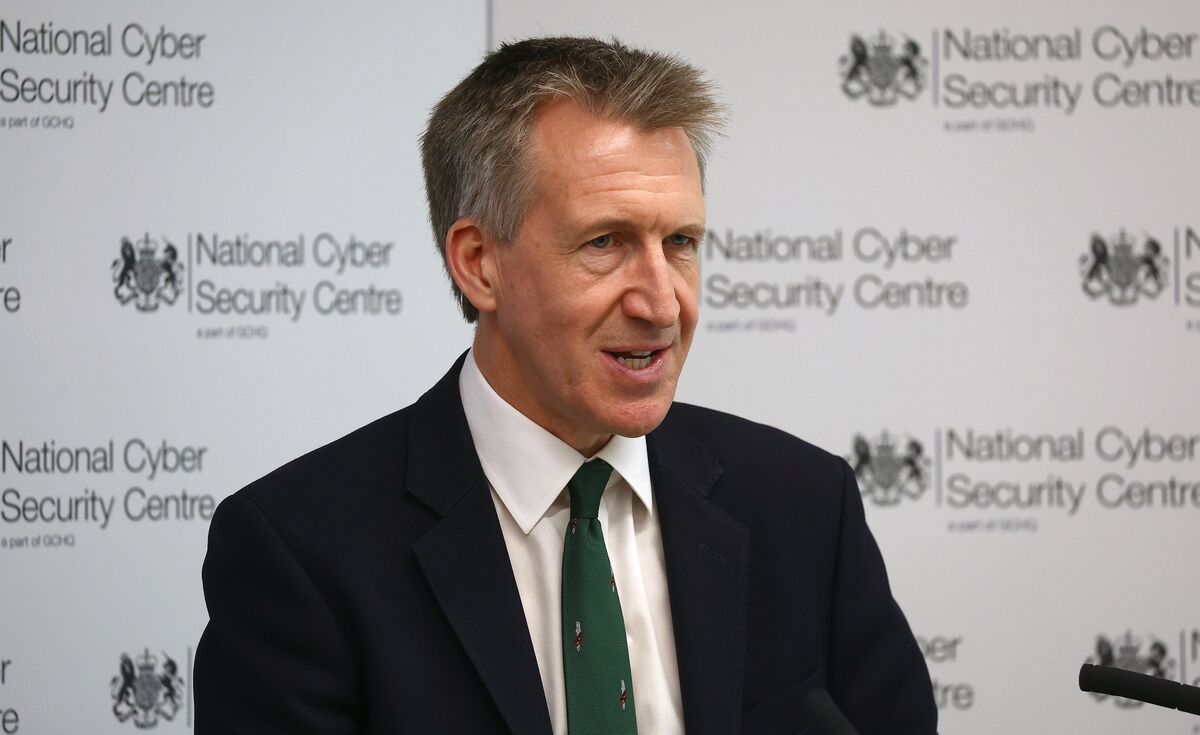
UK Prime Minister Keir Starmer appointed Dan Jarvis as the new defense secretary amid an effort to reassert control and limit the fallout from John Healey’s exit. The move is primarily a personnel and political stabilization decision inside the Labour Party rather than a policy shift. Jarvis brings defense and security experience from his prior role as security minister and his military background in Iraq, Afghanistan, Kosovo, and other deployments.
This appointment is less about defense policy than about crisis containment, which matters because governance fragility usually transmits first through execution risk, not headline policy shifts. In the near term, the biggest beneficiary is the incumbent apparatus around UK defense procurement: a minister with military credibility and security background should reduce the odds of abrupt reversals in spending priorities, contract cadence, or parliamentary scrutiny. That said, the real market effect is second-order: a stabilized ministry lowers the tail risk of delays in multi-year procurement and infrastructure programs, which is marginally supportive for UK prime contractors and domestically exposed project managers.
The main loser is not a specific company but the probability distribution around policy continuity. When a government is fighting internal cohesion, procurement decisions tend to get pushed rightward, and vendors with thin order books or high working-capital needs are most exposed to a 3-12 month slippage in award timing. If the leadership crisis deepens, defense spending may remain rhetorically protected while actual contract execution slows, which would hurt smaller suppliers before it shows up in headline budget numbers.
The contrarian takeaway is that this is probably underpriced as a risk-reduction event rather than a growth catalyst. Markets usually overreact to cabinet churn as if it changes fiscal intent immediately, but the more relevant variable is whether it restores operational throughput inside Whitehall. If Jarvis is perceived as a steadying appointment, the trade is less about upside acceleration and more about avoiding a governance discount widening into UK domestically exposed assets over the next 1-2 quarters.
AI-powered research, real-time alerts, and portfolio analytics for institutional investors.
Request DemoOverall Sentiment
neutral
Sentiment Score
0.05
