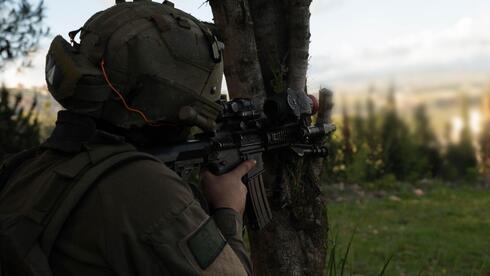
Israel reportedly established a secret military outpost in the Iraqi desert shortly before the war with Iran, using it as a logistics and special forces hub for its air campaign. The facility was nearly exposed in early March, and Israel allegedly used airstrikes to drive away Iraqi forces investigating the area, with Iraq saying one soldier was killed. The report underscores ongoing regional military escalation and operational risk, with potential implications for Middle East geopolitical risk premia.
This is less about a single covert base and more about a widening proof point that the regional conflict now has an embedded logistics layer far outside the immediate theater. That raises the odds of a longer-duration air campaign architecture, which is incrementally bullish for defense primes, ISR, and electronic warfare providers that monetize persistent basing, concealment, air defense suppression, and expeditionary logistics. The second-order winner is not just munitions demand; it is the ecosystem around distributed operations—fuel handling, hardened shelters, mobile comms, and counter-drone systems—where backlog can extend well beyond the current headline cycle.
The near-term market risk is a misread of escalation. An exposed forward node in a third country introduces a tail risk of retaliatory pressure on Iraqi territory, U.S. personnel, and transport corridors, which can temporarily widen sovereign and risk premia across Gulf-linked assets. Over the next days to weeks, the key catalyst is whether this remains a contained covert-support story or becomes evidence of a broader regional operating model that invites copycat targeting of logistics nodes. If that second path materializes, expect higher implied volatility in defense and energy proxies, even if the underlying equity reaction is initially muted.
The consensus may be underpricing how much this favors companies with expeditionary and survivability content rather than traditional platform makers. The market tends to buy missiles after a strike; the more durable trade is the less visible layer: secure comms, ruggedized transport, base protection, and battlefield recovery, where spending often persists after headline de-escalation. Conversely, if diplomacy or a ceasefire framework reduces the need for sustained forward presence, the incremental trade can fade quickly, so the edge is in using options or relative-value expressions rather than outright beta.
A contrarian angle: the lack of downed pilots and the successful rescue architecture may actually reduce urgency for further escalation, because it demonstrates operational competence and lowers political pressure for a dramatic response. That makes the immediate upside in defense equities less explosive than the headline suggests, but more durable in the infrastructure-heavy subsegments tied to multi-month readiness. In short, this is a slow-burn logistics and survivability thesis, not a one-day munitions spike.
AI-powered research, real-time alerts, and portfolio analytics for institutional investors.
Request DemoOverall Sentiment
mildly negative
Sentiment Score
-0.15
