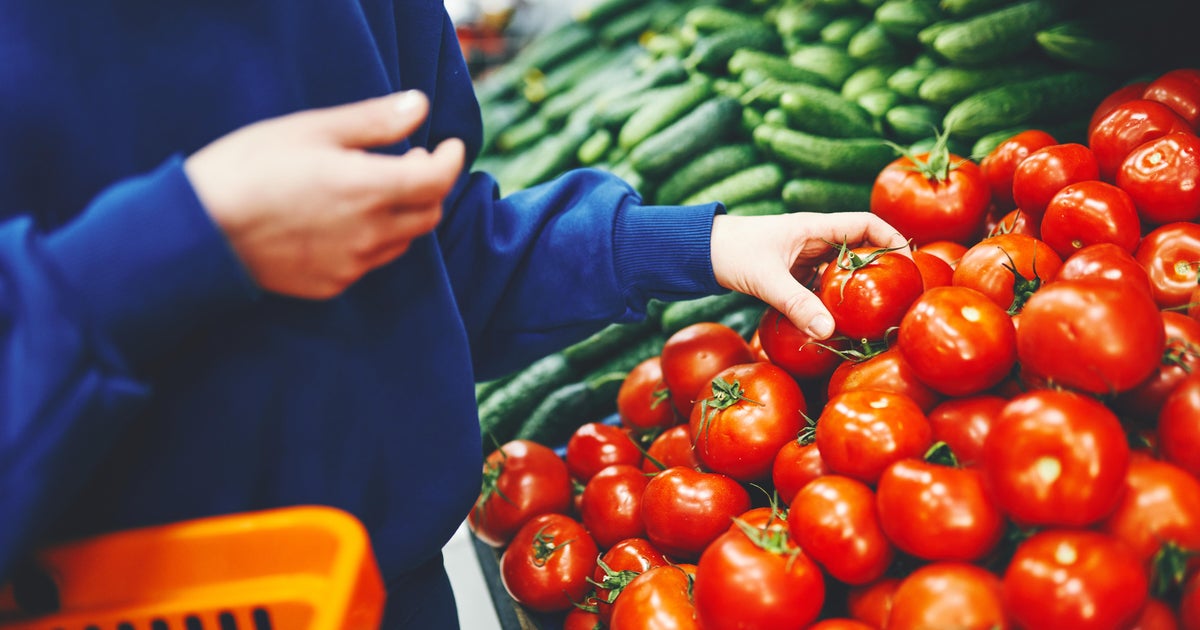
U.S. tomato prices are up nearly 40% year over year to an average of $2.69 per pound, a record high, well above the 17% rise in food prices overall. The article cites a 17% U.S. tariff on Mexican tomatoes, with tomato tariff collections jumping from $16,424 in 2024 to nearly $4.6 million, alongside weather, disease, and higher fuel costs tied to the Iran war. Nearly 90% of U.S. tomato imports came from Mexico in 2025, making the supply chain highly sensitive to trade and logistics shocks.
This is less a tomato story than a live test of how quickly a politically concentrated supply chain re-rates when policy, weather, and energy all move in the same direction. The key second-order effect is margin compression for distributors, grocers, and food-service operators with weak pricing power: fresh produce inflation can look isolated, but it leaks into meal kits, quick-service promotions, and private-label substitution as retailers protect basket traffic. The winners are not obvious growers alone; cold-chain logistics, domestic greenhouse operators, and any supplier with non-Mexico sourcing flexibility gain negotiating leverage as buyers scramble for substitute supply.
The move is likely still in the early/mid innings because tariffs hit immediately, while supply response is slow. Weather and disease in Mexico/Florida are near-term constraints, but the real catalyst that can reverse the trade is not demand destruction—it is one or two growing cycles of restored yield plus rerouting imports through compliant channels. That means the inflation impulse can fade over months, not days, unless energy remains elevated enough to keep refrigerated transport costs sticky. If diesel retraces, tomato prices can fall faster than consensus expects because logistics is a meaningful marginal cost on a perishable product.
The broader macro signal is that food inflation is becoming more episodic and policy-driven rather than a smooth basket-level trend. That raises the odds that headline CPI prints remain noisy even if core disinflation continues, which can create false starts in rate-cut pricing. For equities, this is mildly bearish for consumer staples/restaurant chains with low menu elasticity, but more importantly it favors selective longs in domestic ag-tech and logistics over broad inflation hedges.
The contrarian view is that the market may be overestimating permanence: a single imported commodity with a concentrated source base can mean dramatic price spikes, but also mean dramatic mean reversion once supply normalizes. If retailers have already marked prices up aggressively, volume destruction could force discounting sooner than producers expect, especially in lower-income channels. That creates a short window where consumers pay more, but producers may not fully capture the spread if demand shifts to canned, frozen, or alternative produce.
AI-powered research, real-time alerts, and portfolio analytics for institutional investors.
Request DemoOverall Sentiment
moderately negative
Sentiment Score
-0.35
Ticker Sentiment
