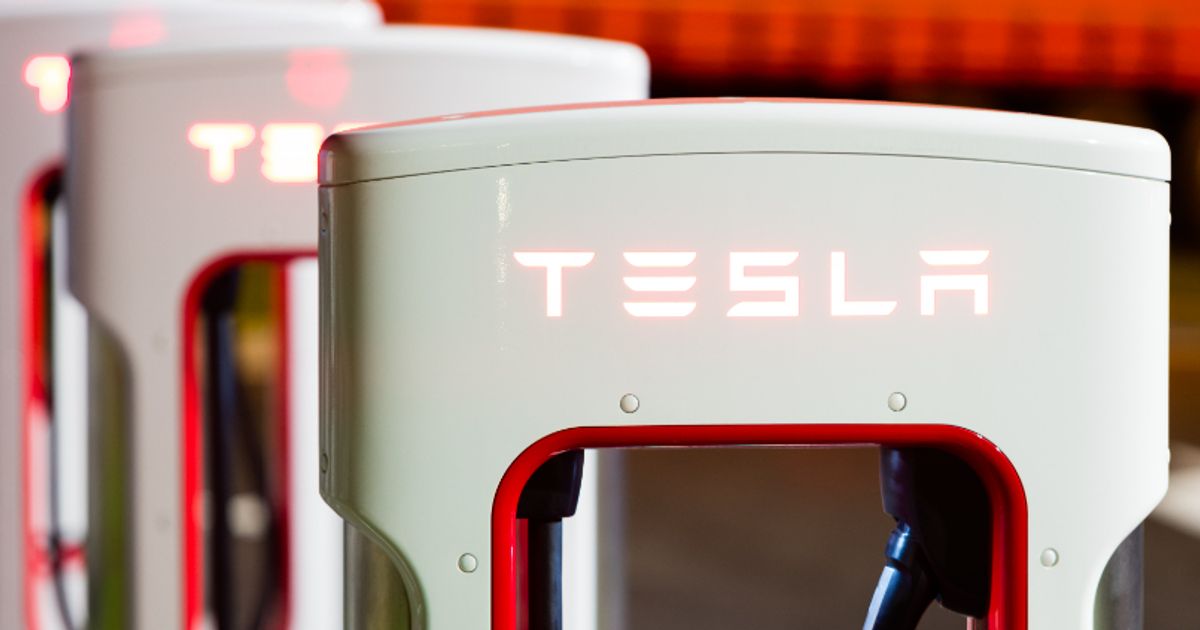
Tesla Inc. has disbanded its Dojo supercomputer team and is significantly shifting its chip strategy, moving away from in-house AI training supercomputer development and custom chips like D1/D2. The company will now increase reliance on external technology partners such as Nvidia and AMD for computing and chip manufacturing, a pivot confirmed by CEO Elon Musk who cited the inefficiency of dividing resources. This strategic change, which Wedbush noted highlights the inherent difficulty of developing custom ASICs, saw Tesla shares edge 0.4% lower pre-market, contributing to a year-to-date decline exceeding 20%.
Tesla is executing a significant pivot in its artificial intelligence hardware strategy by disbanding its in-house Dojo supercomputer team and halting the development of its custom D-series training chips. This move, underscored by the departure of team leader Peter Bannon, signals a retreat from the company's vertically integrated approach to AI training infrastructure, a project initiated in 2021. CEO Elon Musk confirmed the shift, framing it as a resource allocation decision to avoid developing "two quite different AI chip designs" and to focus efforts on the forthcoming "Tesla AI5, AI6" chips which are primarily for inference. Consequently, Tesla will now increase its reliance on external partners, specifically naming Nvidia and AMD, for its AI compute needs. This decision is seen by Wedbush analysts as an implicit acknowledgment of the high difficulty and long maturation period for custom silicon projects, contrasting with the successful, yet multi-year, efforts of Amazon and Google. The market has registered this strategic uncertainty with a 0.4% pre-market decline in TSLA shares, which have already fallen over 20% in 2025.
AI-powered research, real-time alerts, and portfolio analytics for institutional investors.
Overall Sentiment
moderately negative
Sentiment Score
-0.40
Ticker Sentiment
