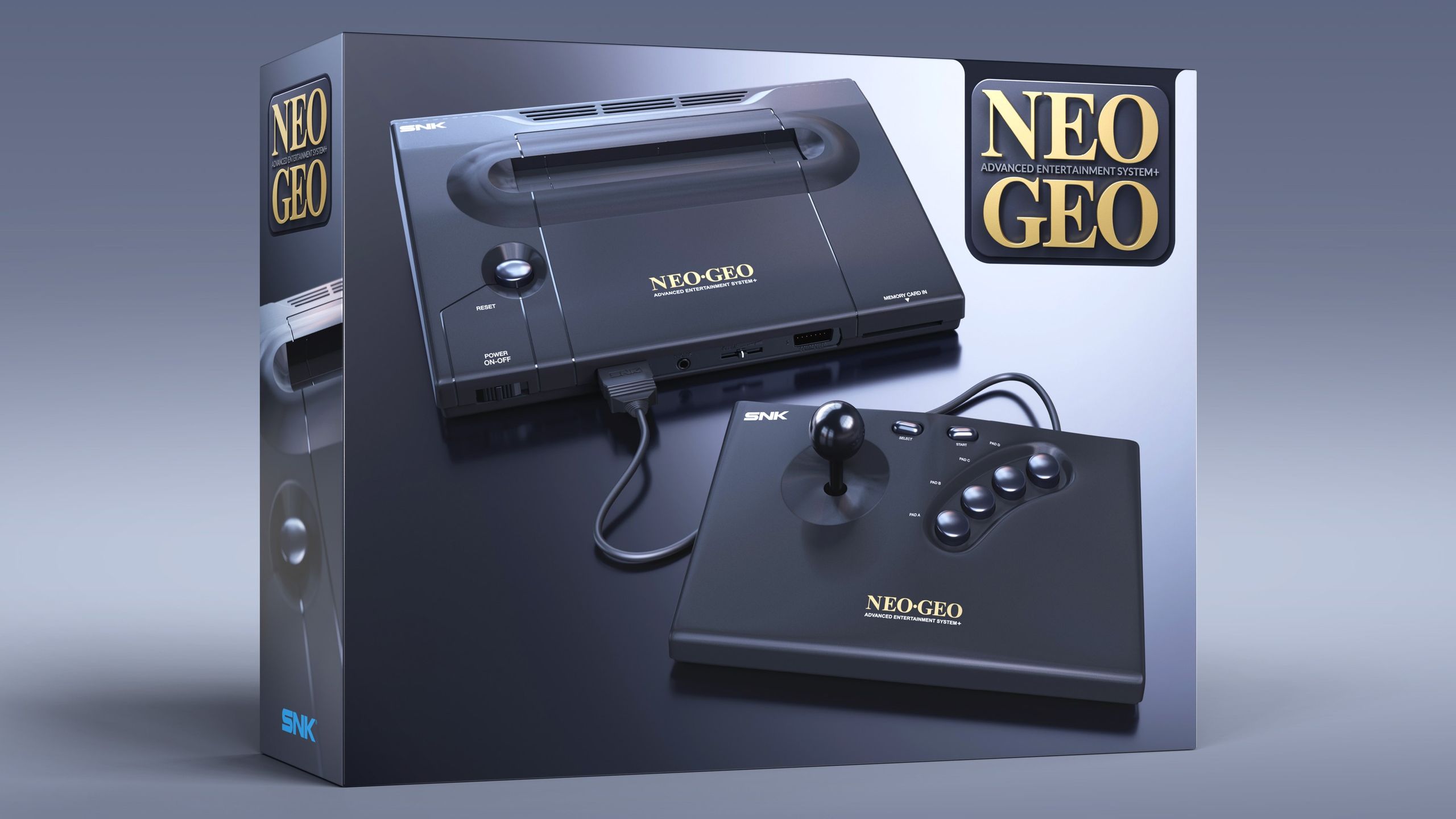
Plaion Replai and SNK are reviving the Neo Geo AES as the Neo Geo AES+, launching November 12, 2026 at $249.99/£179.99/AU$329.99. The retro console keeps the original look but adds HDMI, overclocking, and other modern features while using re-engineered ASIC chips instead of emulation. Classic game rereleases such as Metal Slug and King of Fighters 2002 will sell for $89.99 each and remain compatible with the original hardware.
This is less a mass-market console story than a high-margin nostalgia monetization test. The economics imply the real prize is not unit volume on the base hardware, but attach-rate expansion through licensed software and accessory sales to a captive, enthusiast audience that is willing to pay for authenticity. If the product lands, it validates a broader retro-hardware segment where scarcity, authenticity, and brand memory create pricing power far above normal consumer-electronics replacement cycles.
The second-order winner is the IP holder and distributor ecosystem around legacy gaming catalogs, not the console category as a whole. A successful launch could pull forward demand for other dormant libraries, while also pressuring aftermarket prices for original units and cartridges by creating a lower-friction substitute for collectors. The key competitive dynamic is that this product competes less with current-gen consoles and more with gray-market scarcity; that means it can grow even in a soft consumer backdrop if collector behavior remains intact.
The main risk is novelty decay: demand may be front-loaded into launch week and then normalize quickly if the audience treats it as a display piece rather than an active gaming platform. A second risk is quality-of-execution, because authenticity claims create a much lower tolerance for input lag, compatibility quirks, or software gaps than mainstream retro products. If reviews point to any mismatch between nostalgia and actual playability, the revenue curve could compress sharply within 1-2 months of release.
Contrarian takeaway: the market may be underestimating how much pricing power exists in premium nostalgia products, but overestimating how scalable that demand is. This is probably a good business case for a few SKUs, not a broad category reset. The investable angle is to focus on rights owners and niche distribution platforms with strong retro audiences rather than hardware OEMs chasing one-off enthusiast launches.
AI-powered research, real-time alerts, and portfolio analytics for institutional investors.
Request DemoOverall Sentiment
mildly positive
Sentiment Score
0.20
