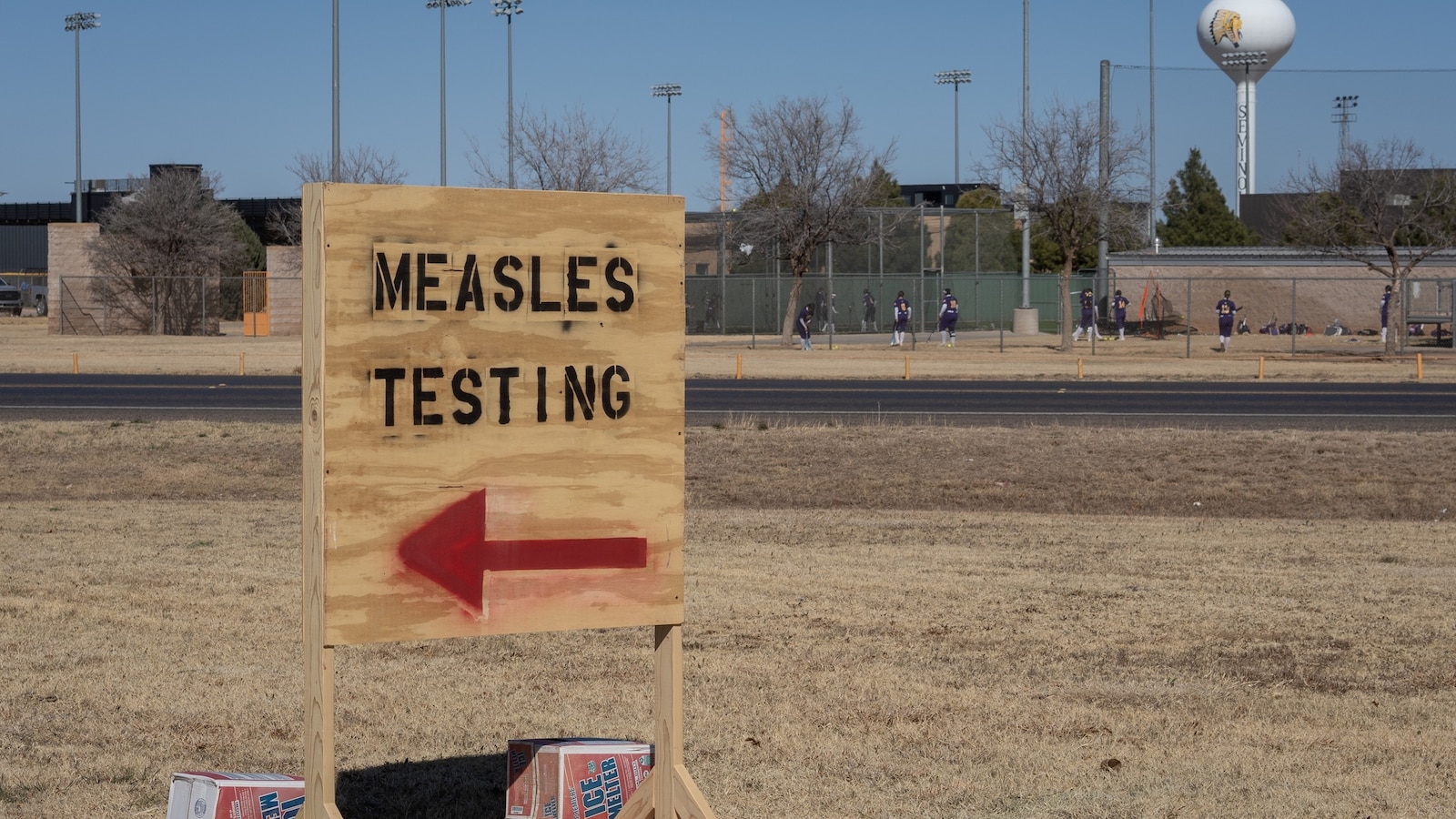
Two detainees at the South Texas Family Residential Center in Dilley, Texas were confirmed to have active measles infections; ICE Health Services quarantined the individuals, halted movement within the facility, and quarantined suspected contacts. The cases come amid 588 confirmed U.S. measles cases this year across 17 states and falling kindergarten MMR coverage (92.5% in 2024-25 vs. 95.2% in 2019-20), a dynamic that raises localized public-health risk and potential scrutiny of immigration detention facilities but is unlikely to move markets materially.
Market structure: A localized surge in measles creates winners in vaccine manufacturers and vaccine-administration channels (Merck MRK; pharmacies CVS, WBA) and modest upside for immunoglobulin suppliers (Grifols GRFS). Pricing power for MMR is limited (government/insurance dominated) so expect a short, concentrated revenue pop from catch-up campaigns — think single-digit % incremental revenue over 1–3 quarters, not structural margin expansion. Cross-asset: negligible FX/commodity impact; small risk-off bid in very short-term safe assets if outbreaks widen, and idiosyncratic options vol upticks in small-cap public-health contractors.
Risk assessment: Tail risks include a larger multi-state epidemic prompting school closures or federal emergency declarations (low probability but material), which could force larger public-health spending or legal/regulatory shifts within 30–90 days. Immediate (days): operational quarantines and reputational headlines; short-term (weeks–months): vaccination campaigns and pharmacy footfall; long-term (quarters+): potential policy changes on mandates and public-health budgets. Hidden dependencies: vaccine hesitancy dynamics, state procurement cycles, and cold-chain capacity — monitor supply statements from manufacturers and state health procurement notices as catalysts.
Trade implications: Direct plays: small tactical longs in MRK (core vaccine exposure) and CVS/WBA (administration/footfall) with horizon 3–6 months; consider GRFS as a defensive hedge for increased demand for IG products. Options: use defined-risk 4–6 month bull call spreads on MRK (buy ~5% OTM, sell ~15% OTM) to capture asymmetric upside while limiting premium loss. Rotate 2–4% portfolio from consumer discretionary (XLY) into healthcare/pharmacy names if CDC case counts continue rising >20% WoW for two consecutive weeks.
AI-powered research, real-time alerts, and portfolio analytics for institutional investors.
Request DemoOverall Sentiment
mildly negative
Sentiment Score
-0.25
Contrarian angles: Consensus will treat this as a short blip; that likely underestimates upside for pharmacies running targeted catch-up clinics and state public-health contractors awarded rapid procurement RFPs (2–8 week revenue realization). Historical 2019 outbreaks generated limited equity moves but did spark localized procurement contracts — favor small, nimble contractors and pharmacy administrators rather than large biopharma exposure. Beware unintended consequences: aggressive political reactions (mandates or litigation) could flip sentiment and create regulatory volatility; size positions small (1–2% each).
