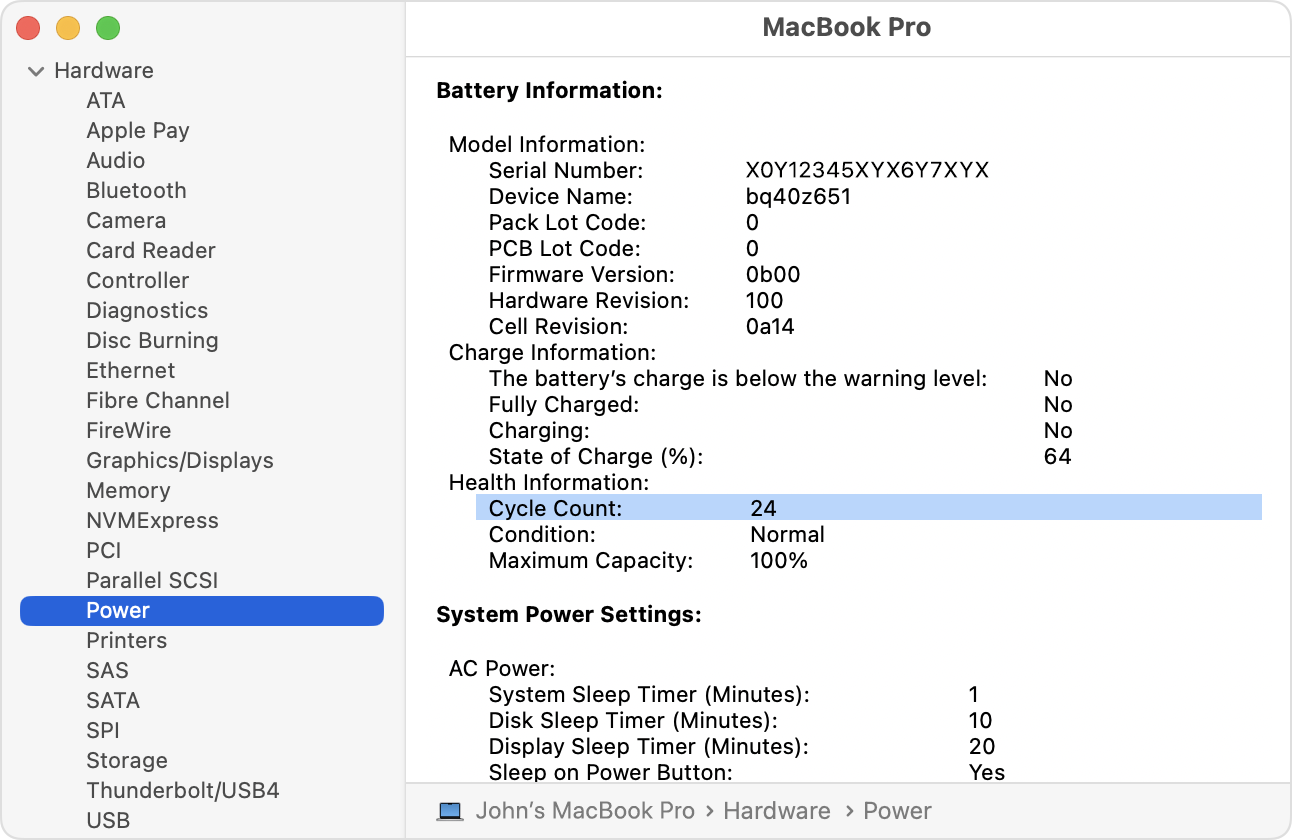
Apple updated support docs confirming the MacBook Neo has a 36.5‑Wh battery and a maximum battery cycle count of 1,000, with advertised runtimes of up to 16 hours of video streaming and 11 hours of wireless web browsing. At one full cycle per day that equates to ~2.7 years to reach 1,000 cycles (or ~9 years at ~0.3 cycles/day); 1,000 cycles is on the high end of Apple’s current policy compared with pre-2009 limits of 300–500.
This product-level durability improvement is a classic example of a feature that shifts economics rather than creates raw incremental demand. Extending usable life compresses annual replacement TAM for premium laptops, so unit growth must come from share gains or higher attach (services, accessories, trade‑in) rather than faster refresh cycles. Expect Apple to monetize the extension through higher-priced service bundles, trade‑in spreads, and refurbished resale channels rather than volume growth in devices alone.
On the supply side the biggest second‑order move is timing and mix: fewer mid‑cycle battery replacements and longer inter‑purchase intervals concentrate revenue upstream (component suppliers and OEMs) into earlier life phases and downstream into long‑tail services and accessory sales. That favors merchants and platform players who capture aftermarket flows (marketplace fees, accessory attach, trade‑in margins) while it mildly reduces recurring replacement revenue for independent repair/battery‑replacement specialists. Accessory vendors that monetize per‑device lifetime usage (mice, keyboards, cases, docks) benefit as users keep devices longer and buy replacement peripherals over a stretched span.
Key catalysts and risks are asymmetric in timing. Near term (days–weeks) product reviews and sell‑through data determine channel momentum and aftermarket attach; medium term (6–24 months) is when replacement cadence changes show up in services, refurb and parts volumes; long term (2–5 years) regulatory or chemistry issues (recalls, safety standards, recycling rules) could force rework and reverse the economics. The sensible active play is to harvest event‑driven upside around launch while hedging the multi‑year structural compression of replacement TAM.
AI-powered research, real-time alerts, and portfolio analytics for institutional investors.
Request DemoOverall Sentiment
neutral
Sentiment Score
0.00
Ticker Sentiment
