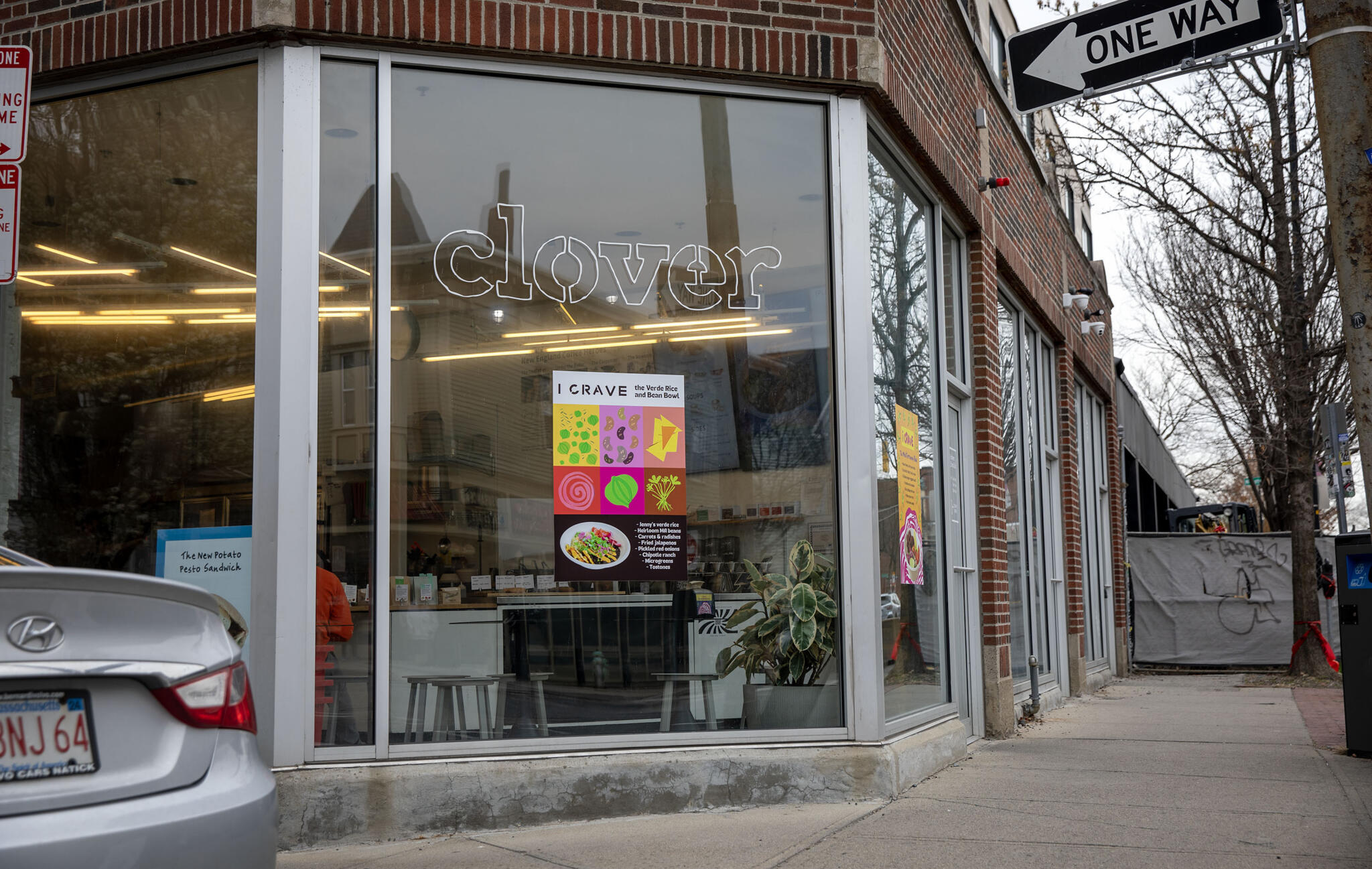
Clover Food Lab will close all 11 locations Thursday, ending its 17-year run and putting roughly 170 employees out of work. The company cited COVID hangover effects, inflation, and ingredients costs that are now 30% to 50% higher than two years ago, after filing Chapter 11 in 2023 and exiting bankruptcy in 2024 with plans to expand. The closure underscores persistent margin pressure in the fast-casual restaurant sector, but the direct market impact is likely limited.
This is a signal that the post-COVID margin reset in food service is still working its way through the lower- and mid-tier operators, not just the obvious one-off distressed names. The second-order effect is less about one chain disappearing and more about local supply being re-priced: regional growers, co-packers, and distributors that leaned on premium, values-driven quick service are likely to face weaker order visibility and higher churn as operators pass through price increases into a demand ceiling. That tends to widen the gap between scaled chains with national procurement and smaller concepts that cannot hedge input inflation or labor volatility. The faster implication is for Boston-area landlords and service vendors, where a wave of backfilled space can create a short-term occupancy overhang and rent pressure at the margin. Over 6-12 months, that should improve negotiating leverage for tenants with upcoming leases, but it also tells you that “experience” or “mission-driven” concepts are not immune to traffic sensitivity when household budgets are tight. If consumers are trading down in protein and lunch occasions, the incremental beneficiary is usually the lowest-cost calorie providers, not necessarily other premium fast-casual brands. The contrarian takeaway is that this is not a clean read-through to broad restaurant malaise; it is more a proof point that unit economics have become unforgiving for chains with limited scale and elevated ingredient intensity. The market may be over-discounting inflation alone when the real issue is mix: customers can absorb modest menu inflation, but they are less tolerant of price increases when the product depends on higher-cost inputs and a loyalty-driven brand story. In that sense, operators with stronger breakfast, snack, or beverage attach rates and better throughput can still defend margins even in a soft demand tape.
AI-powered research, real-time alerts, and portfolio analytics for institutional investors.
Overall Sentiment
strongly negative
Sentiment Score
-0.82
