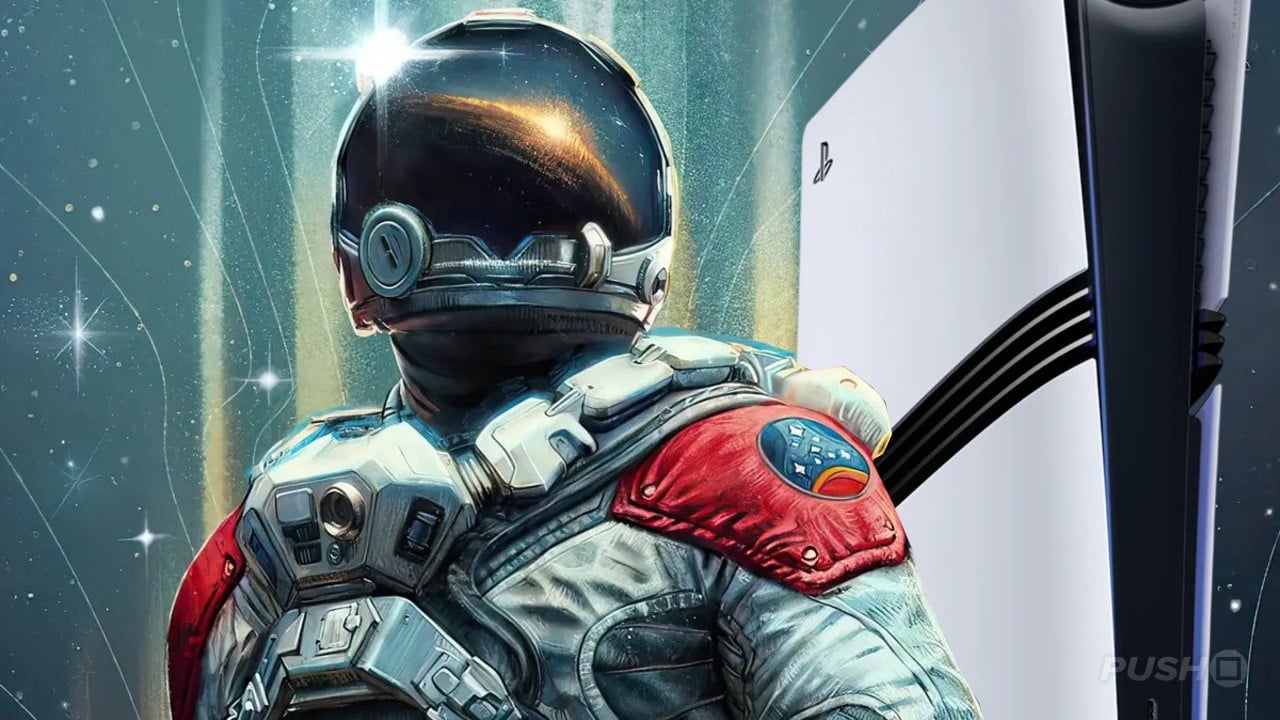
Starfield’s PS5 port generated strong pre-order interest, with the Premium Edition initially ranking #3 on the US PS Store pre-order chart (updated to #1 after Crimson Desert’s release) and the standard edition in the top 6; in the UK the editions ranked #3/#4. The PS5 release is due April 7; the announcement trailer drew ~200k YouTube views and PlayStation’s social post garnered ~10k likes and >2.5M views on X. This signals meaningful consumer demand that should extend the title’s sales life, providing a modest positive catalyst for the publisher, though the article is skeptical it will match the peak performance of major Xbox ports.
Microsoft’s decision to monetize a major first‑party IP on a competitor platform is a tacit shift in strategic emphasis from console exclusivity toward platform-agnostic monetization. That tradeoff reduces Xbox’s hardware differentiation but accelerates cash generation for first‑party studios and creates a template for future cross‑licensing revenue — expect negotiations for revenue‑share mechanics (upfront vs. % of sales vs. store fees) to become a recurring line item in guidance over the next 6–18 months.
Sony picks up high‑margin digital revenue and retention benefits without incremental development cost, compressing the near‑term volatility in its content cadence. The incremental digital mix is especially valuable given Sony’s declining dependence on physical retail; a sustained uplift of even a few percent in digital take rates would flow disproportionately to operating margins and PSN gross margin over the next two fiscal quarters.
Second‑order winners include middleware and live‑ops vendors (patching, anti‑cheat, cloud‑based post‑launch ops) and third‑party publishers that can use licensing revenue as a de‑risking tool; losers are exclusivity‑dependent hardware differentiation narratives and any Game Pass subscriber acquisition KPI that investors have used to value Microsoft’s ecosystem moat. Expect a dichotomy: near‑term positive revenue beats for both platform owners, but rising frequency of cross‑platform deals could reduce perceived scarcity value of platform libraries over multiple years.
Key risks that could reverse the trade are poor technical port performance, negative user sentiment driving refunds/chargebacks, or a regulatory backlash if regulators view platform deals as anti‑competitive; these manifest fast (days–weeks) post‑launch for sentiment and over quarters for regulatory outcomes. The discreet windows to trade are launch (0–90 days for sales and tech reception) and the subsequent 6–18 month window when licensing patterns and guidance changes crystallize.
AI-powered research, real-time alerts, and portfolio analytics for institutional investors.
Request DemoOverall Sentiment
mildly positive
Sentiment Score
0.25
