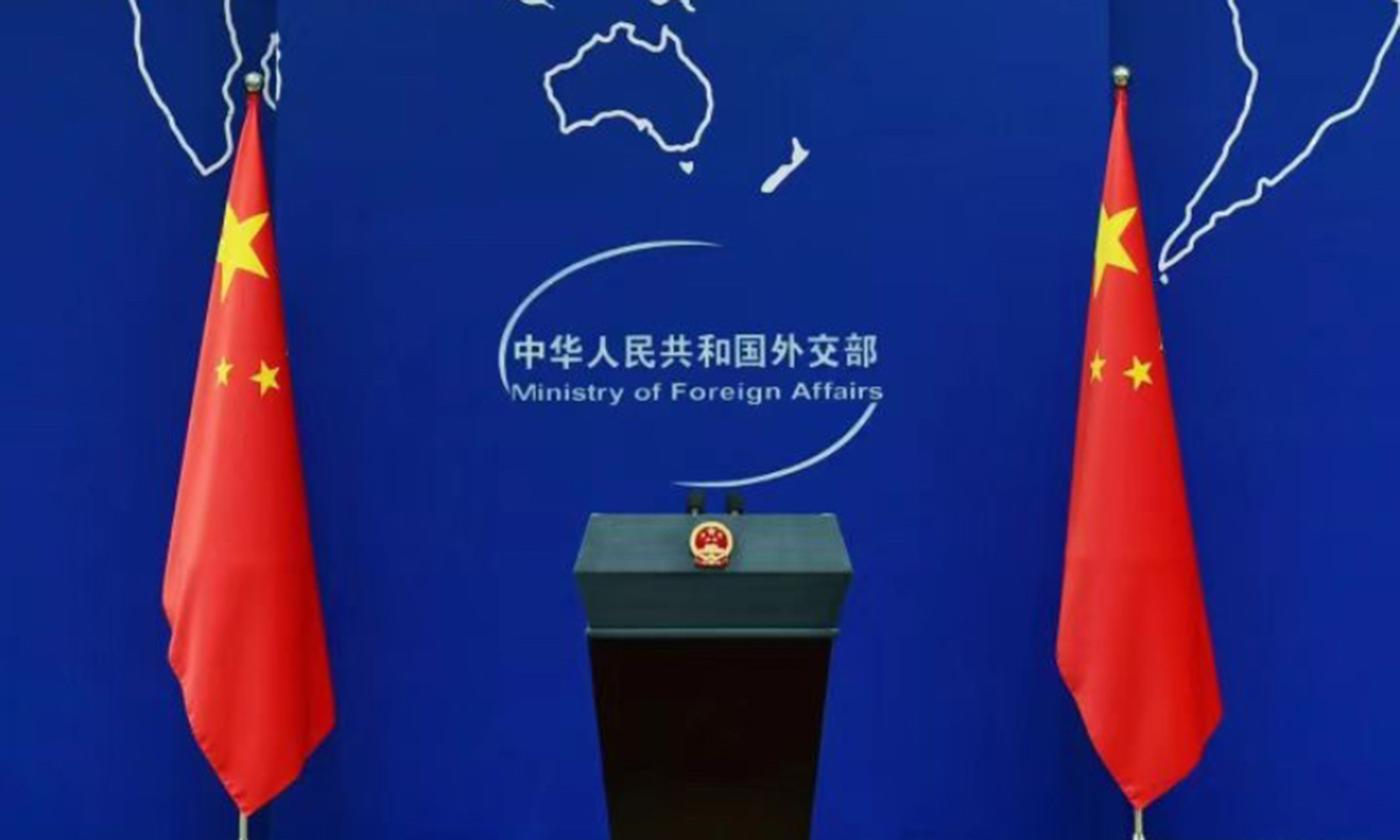
China rejected US and Latin American accusations over the Panama port issue, calling them fabricated and a distortion of facts. Beijing said its authorities are conducting normal vessel inspections under law and vowed to defend its legitimate rights and interests. The article is largely diplomatic rhetoric with limited direct market implications, though it keeps geopolitical risk around Panama Canal trade routes in focus.
The market should treat this less as a headline dispute and more as a signal that Panama-linked logistics assets are becoming a proxy battleground in the US-China rivalry. The first-order impact is modest, but the second-order effect is an increase in administrative friction: more inspections, slower turn times, and higher compliance burden raise the probability of episodic delays even if physical trade volumes do not fall. That tends to benefit carriers and operators with pricing power and diversified routing, while pressuring names exposed to tight schedule reliability and low-margin transshipment economics.
The bigger risk is not a one-day shipment disruption; it is the gradual repricing of political risk across Latin American infrastructure tied to Chinese capital or Chinese-origin cargo. If Washington leans harder on allies, the market could see higher insurance premia, customs scrutiny, and contract renegotiation risk over the next 3-6 months. That is usually a slow burn, but once it starts, logistics networks tend to reroute in clusters, which can create abrupt utilization swings in adjacent ports and rail corridors.
Consensus is likely underestimating how little volume needs to move for earnings to change meaningfully in the logistics chain. A 1-2% reduction in effective throughput can matter more than a larger nominal trade dispute because congestion and waiting time magnify costs across the network. The contrarian angle is that this may ultimately strengthen U.S.-aligned infrastructure and shipping assets if shippers pay up for reliability, while Chinese-linked operators face a higher discount rate rather than an immediate revenue hit.
This is also a catalyst for defense-adjacent and maritime security spending outside the visible headline set. If the issue persists, expect more procurement talk around port security, surveillance, and dual-use communications, which can give a multi-quarter bid to suppliers with exposure to coast guard, customs, and critical infrastructure hardening.
AI-powered research, real-time alerts, and portfolio analytics for institutional investors.
Request DemoOverall Sentiment
neutral
Sentiment Score
-0.05
