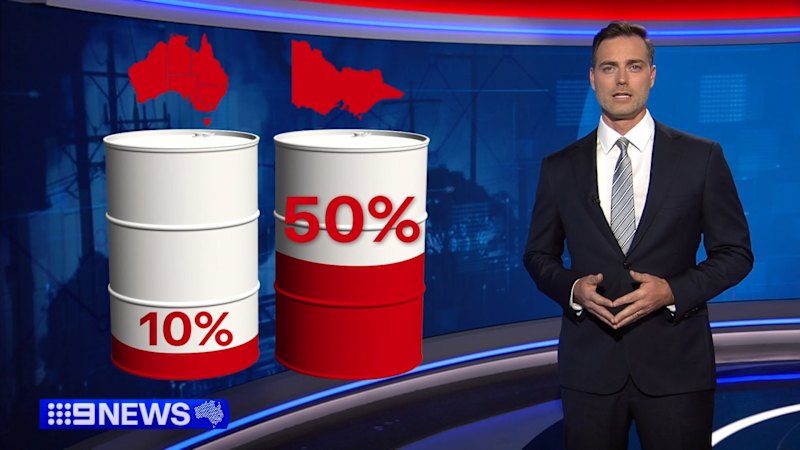
A fire at Viva's oil refinery in Geelong is expected to affect Australia's fuel supply and may create short-term disruption in refining and distribution. The incident is a mild negative for energy market stability and transportation logistics, but the article appears to be commentary rather than a report of quantified damage. Market impact should be limited unless outages prove prolonged or widespread.
This is less a one-off facility headline than a regional refining capacity shock that should tighten the east-coast physical fuel balance first, then filter into wholesale margins and freight economics. Australia is structurally short refining capacity already, so any unplanned outage increases reliance on imported product and raises the value of nearby supply chain optionality: import terminals, storage, shipping, and distributors with inventory buffers gain negotiating power while smaller fuel retailers and transport operators face immediate margin compression.
The second-order effect is timing mismatch. Spot market dislocation can show up within days through diesel and jet fuel differentials, but the larger risk is a 4-12 week period where replacement barrels must be sourced, shipped, and blended into the domestic system. That creates an opening for anyone with flexible logistics or stockpiled product, while end-users with limited pass-through ability — road freight, aviation, and defense logistics contractors — are vulnerable to short-term cost spikes before procurement contracts reset.
The contrarian view is that the market may overestimate duration and underestimate substitution. If the outage is contained and imports flow smoothly, price impact should mean-revert quickly; the bigger issue is not headline crude but refined product availability. The key tell is whether diesel cracks and local terminal premiums widen materially relative to crude — if they do, this becomes a margin event rather than a pure energy-price event, with the pain concentrated in transport and industrial users rather than the broader economy.
For portfolios, the best expression is to lean into relative winners of supply disruption rather than outright energy beta. The opportunity is strongest if the outage lasts beyond one replenishment cycle and inventories are thin; if repairs are rapid, the trade should be faded.
AI-powered research, real-time alerts, and portfolio analytics for institutional investors.
Request DemoOverall Sentiment
mildly negative
Sentiment Score
-0.20
