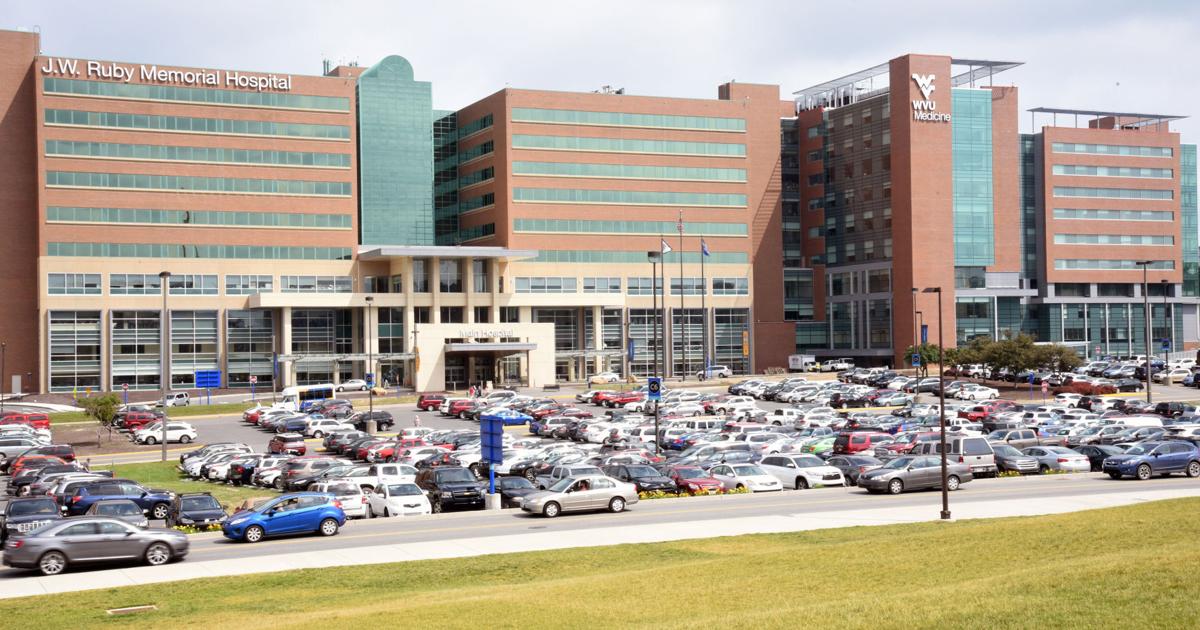
West Virginia has submitted an application for the federal Rural Health Transformation Program, created by the state’s ‘One Big Beautiful Bill Act,’ and could receive up to $500 million to improve rural healthcare accessibility and affordability. WVU Medicine outlined proposals spanning disease coordination, small capital projects (e.g., cancer care and ED expansions) and addiction treatment via the Rockefeller Neuroscience Institute, while stakeholders warn that concurrent, phased Medicaid funding cuts in the same legislation could undermine the initiative unless new federal relief is enacted.
Market structure: Federal RHTP funding (WV cap ~$500M) is concentrated, so beneficiaries are regional health systems, telehealth vendors, clinical-trial labs and behavioral-health providers able to scale statewide services; Medicaid cuts shift margin pressure to providers with high Medicaid mix (rural hospitals, nursing homes) and tighten pricing power for those assets. Expect incremental patient flow to larger systems (HCA, UHS) if small hospitals curtail services; supply of staffed beds likely to fall in WV over 12–36 months, raising utilization/pricing at nearby tertiary centers. Risk assessment: Tail risks include federal legislation reversing Medicaid cuts (positive for at-risk hospitals) or larger-than-expected state fiscal stress forcing more cuts—both could move outcomes ±20–40% on affected small providers within 6–18 months. Hidden dependencies: workforce shortages, capital-match requirements and CMS approval timing (30–90 days) will determine how much RHTP funding translates to operations vs. one-time capital; implementation delays are a high-probability, value-diluting risk. Trade implications: Direct plays favor scalable national/telehealth and diagnostics names (TDOC, LH, DGX) and large non-Medicaid-weighted hospital operators (HCA) over small, Medicaid-heavy chains (CYH, some REITs). Options: prefer 4–9 month call spreads on telehealth/diagnostics and protective puts on small-cap hospital operators; expect a 6–12 month window for performance differentiation as awards and cuts roll out. Contrarian angles: The market may overrate the “transformational” value of $500M — relative to WV’s Medicaid budget it’s modest, so state-level winners are likely niche and execution-dependent. Historical parallels (targeted rural grant programs) show limited durable margin expansion; a more durable trade is long technology/telehealth exposure that can monetize rural access nationally, not just a single-state allocation.
AI-powered research, real-time alerts, and portfolio analytics for institutional investors.
Request DemoOverall Sentiment
mildly positive
Sentiment Score
0.25
