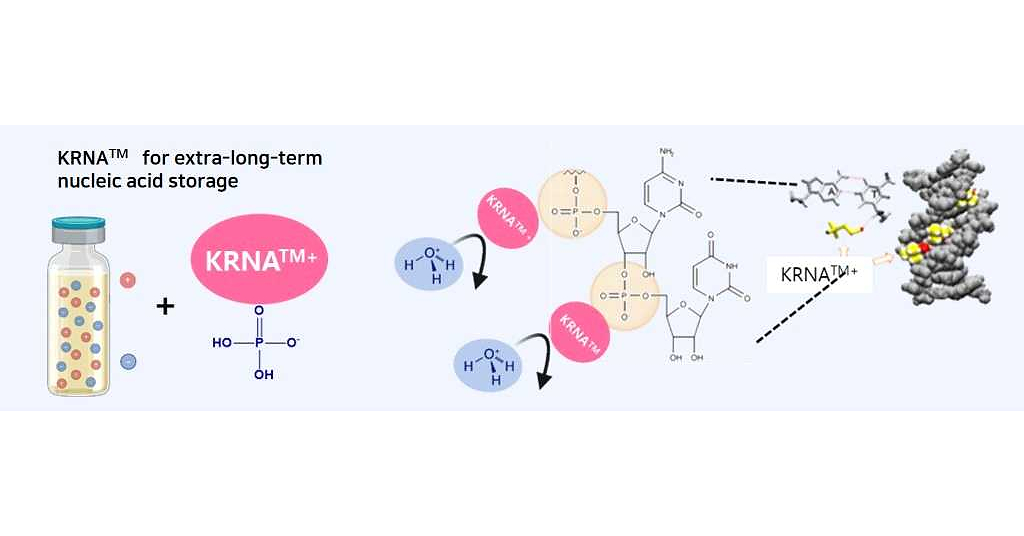
Dx&Vx (DXVX, KRX: 180400) signed two new KRNA material transfer agreements in Latin America—first in July with a top Argentine vaccine developer and then in August with a leading regional public health institution—within a two-month span. The company said KRNA has now secured five cumulative MTAs, with the platform passing both a fast private-company track (about 1 month) and a rigorous public-institution review (about 10 months), supporting its validation for partner stability testing. Management framed the August public-sector deal as a foothold toward Latin America public procurement partnerships and future licensing-out.
This reads more like funnel-validation than monetizable demand. The market can overprice every MTA as a near-term licensing event, but the economic path still runs through partner testing, IP diligence, and budgeted procurement — a process that typically takes quarters, not days. For the issuer, the near-term upside is narrative-driven multiple expansion; the real question is whether this converts into paid pilots or exclusivity, because otherwise the stock is trading on optionality, not earnings power.
Second-order, the more interesting beneficiary set is not the issuer but regional vaccine and RNA-tool companies facing chronic cold-chain friction. If room-temperature stability proves reproducible, it lowers operating complexity for Latin American public health buyers and could shift bargaining power toward developers that can actually distribute into inland markets. The losers, if this scales, are cold-chain-dependent deployment models and any supplier whose moat is infrastructure rather than formulation — but that effect is 6-18 months out and likely invisible until a commercial contract is disclosed.
Contrarian view: the consensus may be assuming that “validation” by a public institution is a prelude to revenue; historically, most MTAs die in technical review or get absorbed into a broader partner roadmap with no material cash impact. The key falsifier is simple: if there is no disclosed license-out, paid pilot, or named procurement path within 2-3 quarters, any spike should fade. The upside is asymmetrical only if repeated MTAs keep converting faster than the normal biotech sales cycle, which would imply a genuine platform advantage rather than a press-release cadence.
AI-powered research, real-time alerts, and portfolio analytics for institutional investors.
Request DemoOverall Sentiment
mildly positive
Sentiment Score
0.25
Ticker Sentiment
