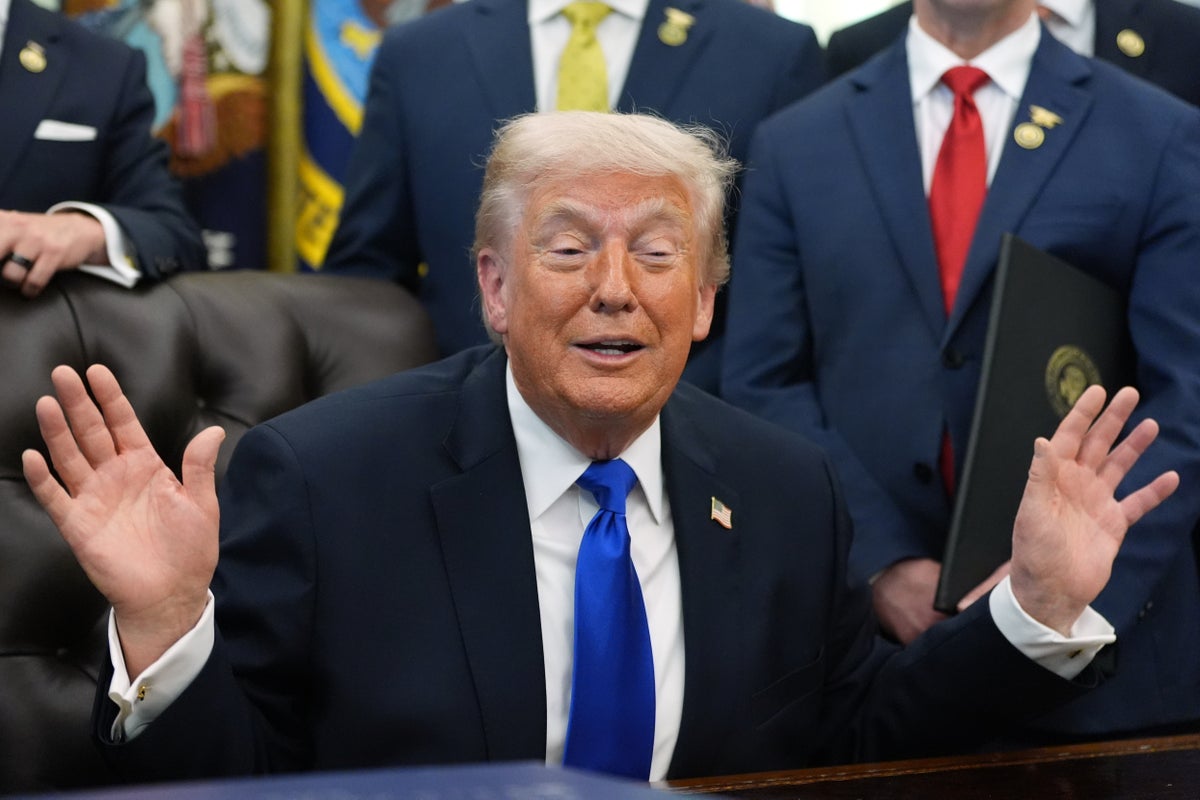
Renewed conflict between Iran and the US is described as likely, with Tehran warning that the ceasefire could collapse and Trump saying he is not satisfied with Iran’s peace proposals. Germany also said a US troop withdrawal from Europe was foreseeable, while the US announced plans to pull 5,000 troops from Germany, adding to NATO तनाव. The article also highlights fresh US sanctions pressure on Chinese refiners buying Iranian oil and ongoing violence in Gaza, reinforcing a broader escalation in geopolitical risk.
The market implication is not just higher headline risk; it is a broader repricing of allied cohesion and logistics reliability. Any perception that US force posture in Europe can be used as a bargaining chip raises the probability of higher European defense outlays, but with a lag measured in quarters, not days. In the near term, the more immediate beneficiaries are defense primes tied to munitions, air defense, ISR, and base-hardening rather than platforms with long procurement lead times.
The Iran angle is more dangerous for energy and shipping than for equities broadly because the first-order shock would likely be contained by air-defense escalation and rhetoric, while the second-order effect is on Red Sea/Gulf insurance, tanker routing, and sanctions enforcement. If China actively shields refiners from US sanctions, the marginal deterrent to illicit barrels falls, which can support non-OPEC supply chains in the short run but increases the odds of a future snapback via secondary sanctions on banks, shippers, and insurers. That creates a volatile regime where energy names can rally on supply fear even as the long-end risk is demand destruction if a wider conflict hits global growth.
A less obvious trade is that fractured NATO is bearish for European cyclicals and industrials before it is bearish for US defense. If alliance coordination weakens, procurement timing gets messy and capex gets delayed, but sovereign risk premia and local rearmament budgets rise, favoring select domestic defense suppliers over diversified industrials. The contrarian view is that the market may be overpricing immediate military escalation and underpricing diplomacy-through-force: the next few weeks could still produce de-escalation headlines that mechanically squeeze crowded risk-off positions.
The highest-probability catalyst window is days to 6 weeks, when sanctions enforcement, troop posture announcements, and ceasefire violations can rapidly change positioning. If the conflict remains contained, the premium embedded in defense and oil vol should decay faster than consensus expects; if it widens, expect a move from tactical hedges to full portfolio de-risking.
AI-powered research, real-time alerts, and portfolio analytics for institutional investors.
Request DemoOverall Sentiment
strongly negative
Sentiment Score
-0.72
