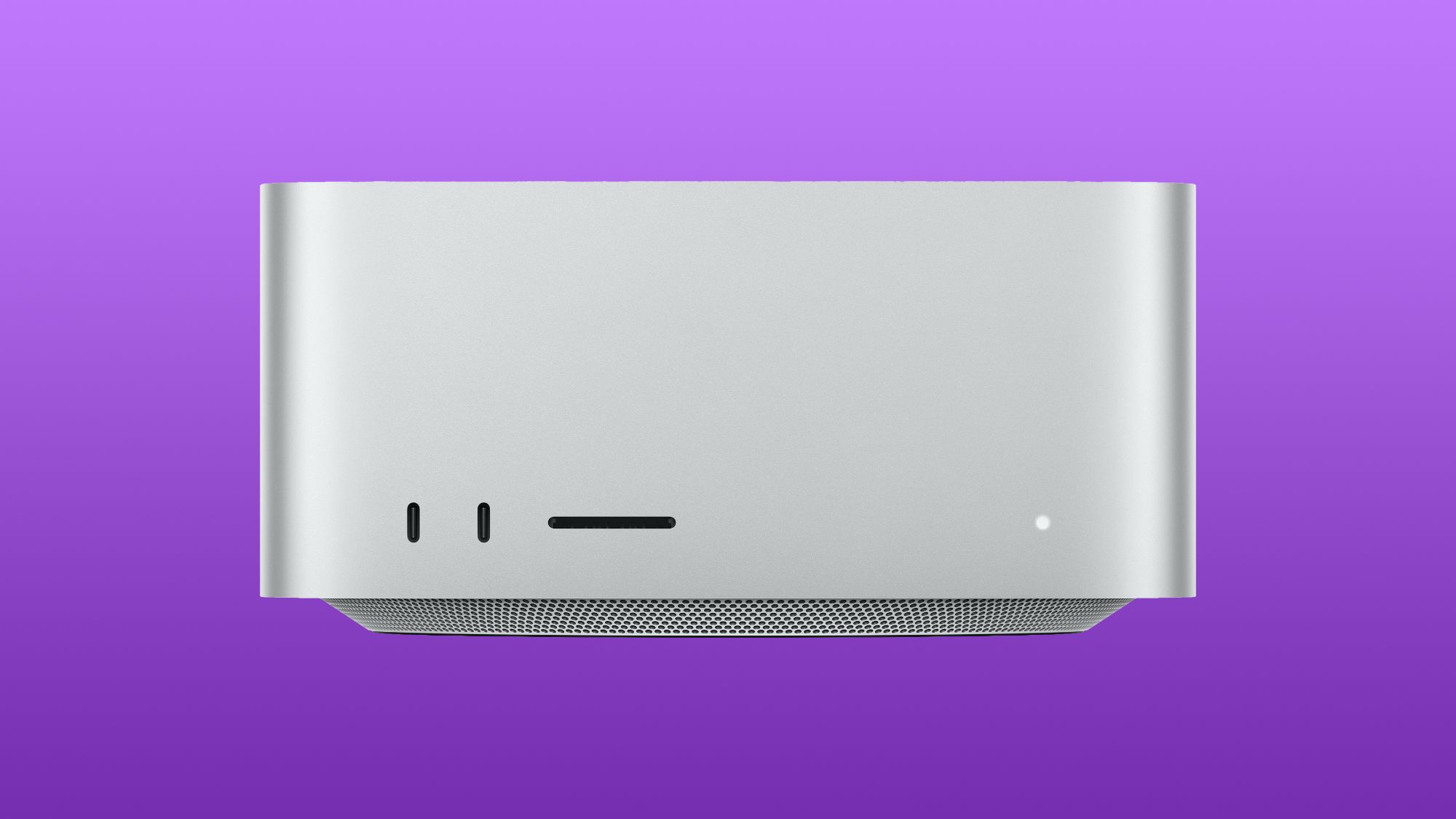
Apple said the Mac mini and Mac Studio may take several months to reach supply-demand balance after underestimating demand, with some configurations now listed as currently unavailable and delivery estimates stretching to 4-5 months. The shortage is tied to a global memory chip squeeze driven by AI server demand, highlighting a supply-chain headwind for Apple’s Mac lineup. The news is mildly negative for near-term Mac sales and inventory availability, but not a broad company-level shock.
The immediate beneficiary is not Apple but the ecosystem that sits one layer down the stack: memory vendors, module assemblers, and AI infrastructure names that can redirect constrained supply to higher-margin server demand. When consumer-pro x86/ARM desktop buyers start competing with datacenter buyers for high-capacity DRAM, the pricing signal tends to cascade first into spot/contract memory pricing, then into gross margin compression for any OEM whose product mix is RAM-heavy. That makes this less of a one-off fulfillment issue and more of a margin bridge risk for Apple over the next 2-3 quarters if it cannot reprice or redesign around the bottleneck.
The second-order effect is competitive, not just operational. Persistent unavailability on a niche but symbolically important workstation line creates an opening for Windows OEMs and Linux workstation vendors to capture developers, AI builders, and small teams that need immediate deployment rather than waiting months. In parallel, cloud and colo providers gain a relative advantage because the “local AI workstation” use case gets nudged back toward hosted inference/training, which supports demand for GPU-capex names even if endpoint enthusiasm remains strong.
For Apple shares, the near-term equity risk is modest because the volume pool is small, but the narrative risk is larger: investors may start modeling memory scarcity as a broader constraint on AI-adjacent product launches and on mix expansion in higher-RAM SKUs across the Mac and iPad roadmap. The key catalyst is memory lead times over the next 6-12 weeks; if spot prices keep rising, the market will likely extrapolate this into FY26 margin pressure and slower product cadence. Conversely, a quick normalization in order windows would deflate the story, so the thesis is time-sensitive rather than structural.
AI-powered research, real-time alerts, and portfolio analytics for institutional investors.
Request DemoOverall Sentiment
mildly negative
Sentiment Score
-0.25
Ticker Sentiment
