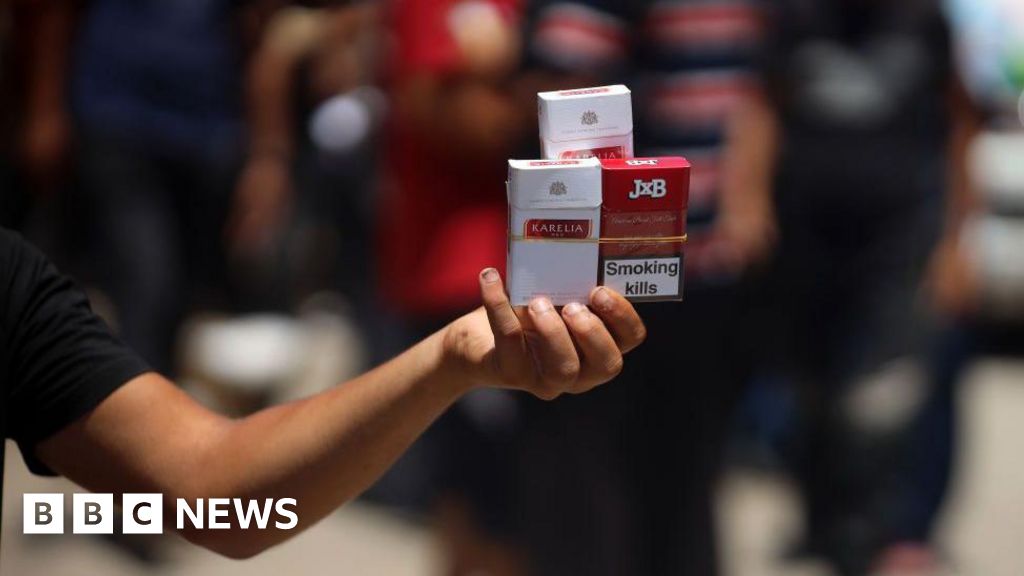
Israeli prosecutors have indicted Bezalel Zini, brother of newly appointed Shin Bet chief David Zini, on charges including aiding the enemy in wartime, fraud, bribery and tax offences for allegedly smuggling 14 cartons (7,000 packets) of cigarettes into Gaza in exchange for 365,000 shekels (~$117,000). The case is part of a broader indictment alleging an organised ring smuggled high-end electronics, car parts and tobacco into Gaza—sales that prosecutors say have funneled “hundreds of millions of shekels” to Hamas since the war began; Zini and two alleged accomplices were arrested two weeks ago. The episode underscores legal, reputational and supply-chain risks tied to cross-border smuggling amid tight Israeli controls on Gaza, but is unlikely to have direct market-moving implications.
Market structure: The indictment raises relative winners—domestic defense/security contractors and private-border-security providers—while illegal-trade facilitators and small cross-border logistics operators face disruption. Expect 3–12 month demand lift for surveillance, border-control tech and defense procurement (Elbit/ESLT.TA analogs +10–20% scenario) and short-term margin pressure for Israel-exposed consumer/smuggling-linked sectors. Cross-asset: likely knee-jerk ILS weakness (1–3% intraday to 5% if political fallout), modest widening of Israeli sovereign spreads (10–50bp), and small safe-haven bids in gold and USD.
Risk assessment: Tail risks include a political-corruption contagion (low probability, high impact) that could trigger a 10–20% drop in Israel equities and a multi-week selloff in local credit; escalation of conflict or international sanctions would magnify this. Timeline: immediate (days) = headline-driven volatility; short-term (weeks–months) = policy/crackdown and procurement reallocation; long-term (quarters) = structural defense budget increases. Hidden dependencies: bank/insurer exposure to sanctioned entities and indirect revenue shifts to Hamas via black markets, amplifying regulatory scrutiny.
Trade implications: Tactical trades favor long, selective defense exposure (2–4% NAV) and FX/credit hedges: buy USD/ILS or 3‑month USD/ILS call spreads if ILS weakens >1.5%; buy 3–6 month calls on major defense names or defense ETFs, and trim Israel consumer/small-cap exposure by 20–30% into volatility. Options: use 3–6 month protective puts on Israel-heavy ETFs (EIS) sized to cover 30–50% of net exposure; add gold (GLD) 1–2% as tail hedge.
Contrarian angle: The market may over-attribute systemic risk to an organized-smuggling indictment focused on criminal networks rather than state collapse — if no senior-level corruption linkage within 30–60 days, Israeli equities should mean-revert and defense suppliers see a multi-month re-rating. Historical parallels (localized scandal during conflict) show 6–12 month recoveries; therefore size positions to add on >8–10% dislocations rather than at first headline.
AI-powered research, real-time alerts, and portfolio analytics for institutional investors.
Request DemoOverall Sentiment
moderately negative
Sentiment Score
-0.45
