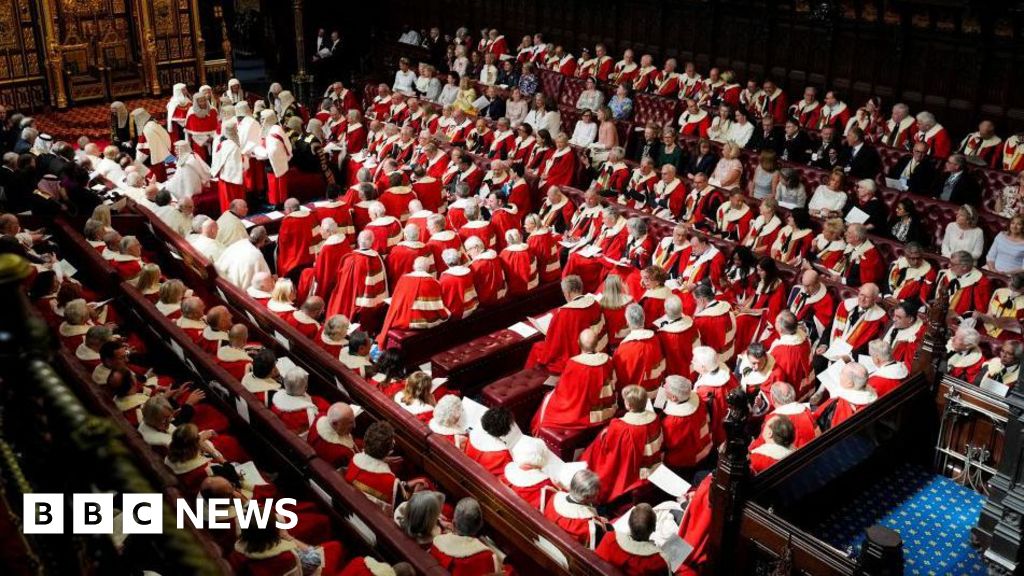
Up to 92 hereditary peers will lose their seats after passage of the House of Lords (Hereditary Peers) Bill, with the change expected when the current Parliamentary session ends around May. Ministers offered a compromise including life peerages for up to 15 Conservatives and an increase in paid ministers in the Lords; further reforms (possible retirement age and minimum participation rates) are being considered.
This constitutional shuffle reduces a source of institutional inertia and increases the executive’s levers over upper‑chamber composition through appointments and compensation design. Practically, that compresses legislative tail‑risk for government bills: fewer procedural blockages and a clearer pathway to enactments tied to economic policy, regulation, and public spending will shorten the calendar and tighten the dispersion of policy outcomes over 6–18 months.
The immediate market channel is political predictability, not policy detail — a steadier path for government priorities favors assets sensitive to regulatory clarity (financials, infrastructure, utilities) and lifts the value of London‑listed companies whose primary risk was drawn‑out statutory change. Conversely, concentrated patronage and faster appointment cycles increase idiosyncratic political‑agency risk: firms dependent on sectoral carve‑outs or permanent institutional memory lose a layer of informal protection, raising binary event risk tied to ministerial turnover.
Tail risks center on backlash and reputational politics: rapid appointments or perceived stacking could trigger judicial review, electoral messaging that reframes public sentiment, or cross‑bench mobilization that reintroduces delay — any of which could restore volatility within weeks. Monitor three levers as catalysts — appointment cadence, changes to minister pay/participation rules, and any formal retirement/age rules — each maps to a different timeframe for market impact (weeks, months, years respectively).
AI-powered research, real-time alerts, and portfolio analytics for institutional investors.
Request DemoOverall Sentiment
neutral
Sentiment Score
0.00
