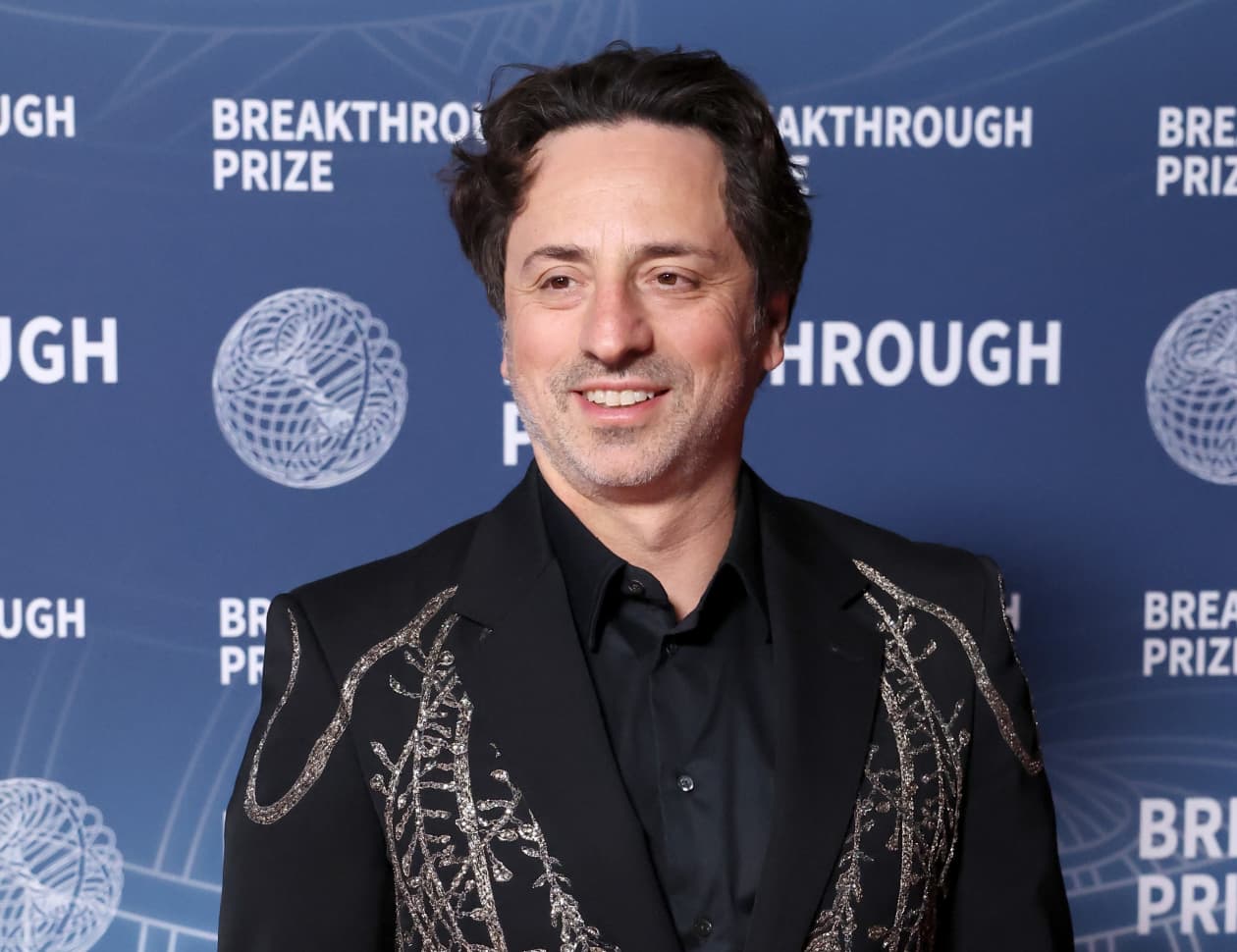
Sergey Brin reportedly bought a $51 million Miami megamansion from LVMH CEO Michael Burke and his wife via a Nevada-registered LLC. The purchase follows reports linking Brin to two other home buys totaling roughly $92 million earlier this year. This is a private high-net-worth real estate transaction and is unlikely to move financial markets or company valuations materially.
A sustained flow of ultra-high-net-worth capital into South Florida is more than a headline — it mechanically reroutes demand from liquid assets into illiquid real estate and ancillary services, tightening local inventory and bidding up per-unit development economics. Expect finished-luxury construction spend per unit in targeted submarkets to rise 15-30% over the next 6–24 months as buyers pay premiums for privacy, finished basements/technology, and enhanced security, benefiting specialty subcontractors and luxury-material suppliers disproportionately.
On the corporate side, builders and regional banks with concentrated exposure to high-end Florida markets should see outsized revenue and deposit inflows within 3–12 months; conversely, mass-market homebuilders and national home-improvement suppliers will likely not capture this premium. There is also a governance/operational second-order: continued mobility of founders/executives reduces incentives for concentrated local shareholder activism and can raise private-market allocations, lowering float and increasing realized volatility in top tech names over intermediate horizons.
Key tail risks are macro-driven: a 150–300bp move higher in mortgage rates or a 30%+ drawdown in tech equities would force backfills of illiquid positions and compress luxury pricing within weeks. Policy risks (state tax changes, transparency rules on LLC holdings) operate on a 6–36 month horizon and could reverse the migration trend. The consensus treats these moves as idiosyncratic lifestyle choices; the underappreciated point is the liquidity shock to public markets and the concentrated upstream winners (luxury subcontractors, high-end builders, regional banks) that will realize outsized margins if the flow persists.
AI-powered research, real-time alerts, and portfolio analytics for institutional investors.
Request DemoOverall Sentiment
neutral
Sentiment Score
0.00
Ticker Sentiment
