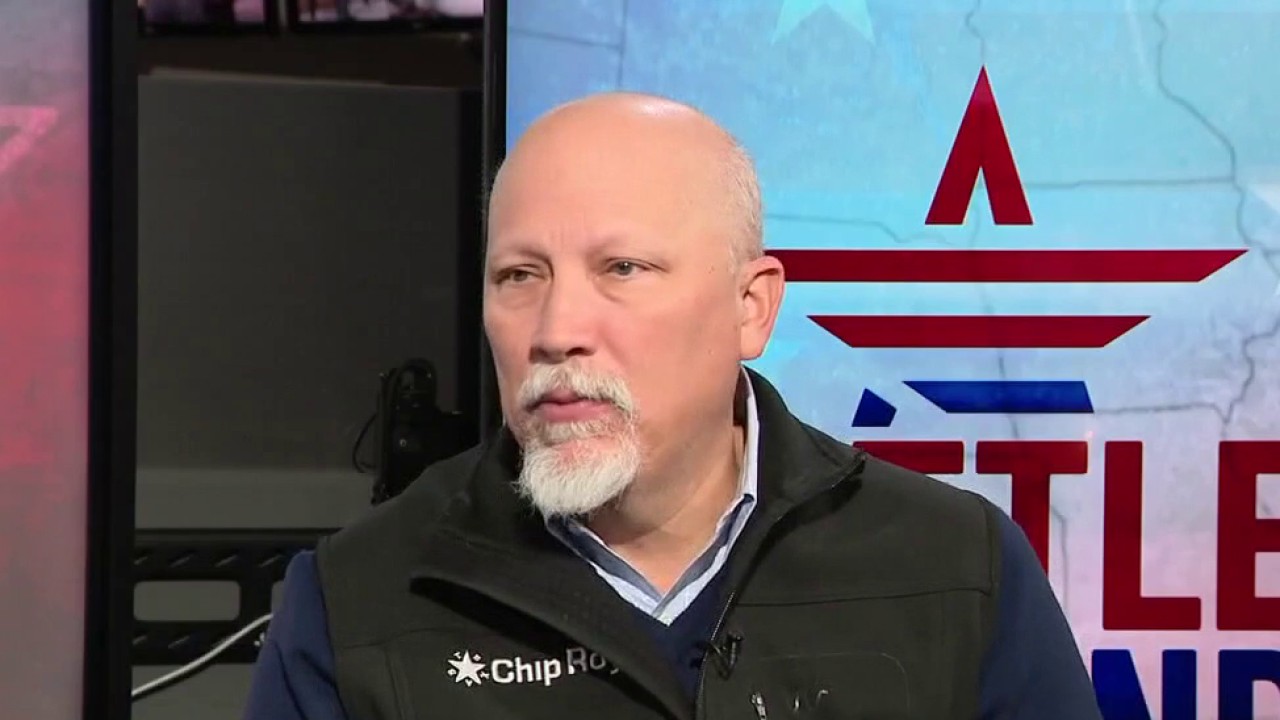
Ken Paxton defeated incumbent Sen. John Cornyn in the Texas GOP Senate runoff and will face Democratic state Rep. James Talarico in the Nov. 3 general election. The race featured unusually heavy spending, with ad outlays exceeding $16 million for Cornyn and $3.7 million for Paxton in the runoff period. President Donald Trump endorsed Paxton late in the race, but the article indicates November remains challenging for Democrats in Texas, where no Democrat has won a statewide race since 1994.
Paxton’s win is a classic governance-negative, volatility-positive outcome for Texas policy risk rather than a clean partisan signal. The market should care less about the seat itself and more about the higher probability of intra-party conflict, legal overhang, and message discipline failures heading into the general election; that tends to weaken the probability that either side can pivot to a business-friendly, low-drama campaign. The second-order effect is that Texas becomes a larger source of headline beta for any name with material state exposure: energy, utilities, banks, insurers, and large employers with regulatory touchpoints.
The bigger trading implication is timing. Over the next 2-8 weeks, this reads as a catalyst for elevated event volatility rather than a directional macro shock, because the general-election narrative can quickly become a referendum on corruption, ethics, and institutional trust. If Paxton continues to trade on grievance rather than competence, Republicans may win the seat but at the cost of depressing down-ballot turnout and increasing the odds of a narrower-than-expected race; that matters for any Texas-heavy political basket because consensus is likely underpricing the possibility of a late tightening.
Contrarian angle: the market may be overestimating how much this outcome changes the general-election baseline. Texas remains structurally red in statewide races, so the real edge may be in fading the reflexive "blue wave in Texas" trade after initial media coverage fades. The more durable issue is reputational: Paxton’s baggage could increase the discount rate on Texas policy stability for multinationals, even if it does not flip the Senate seat. That argues for focusing on idiosyncratic Texas governance sensitivity rather than broad political beta.
AI-powered research, real-time alerts, and portfolio analytics for institutional investors.
Request DemoOverall Sentiment
neutral
Sentiment Score
-0.05
