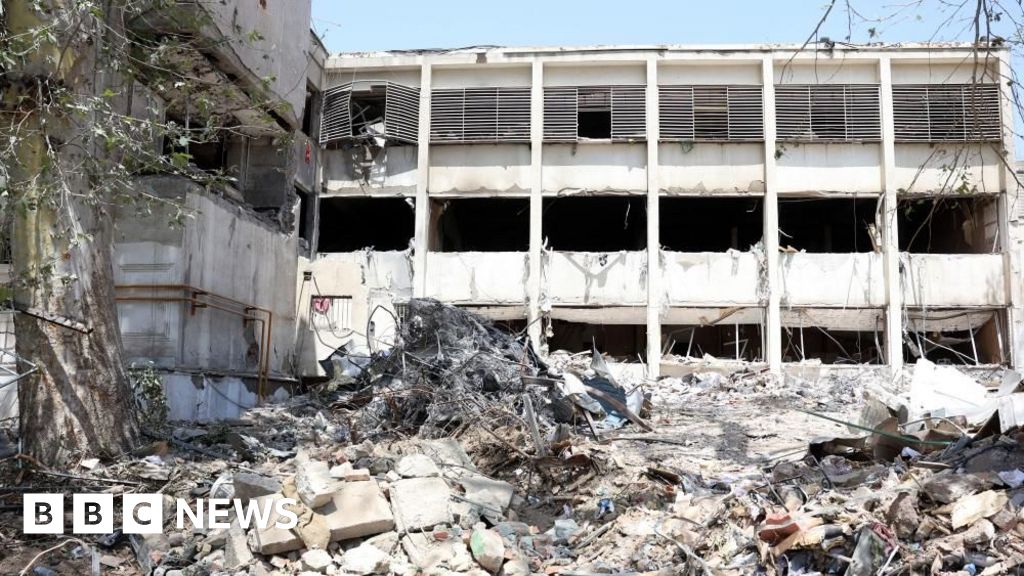
Following a deadly Israeli airstrike on Iran's Evin Prison on June 23rd, which Iran claims killed 80 people and led to the transfer of all inmates, detainees now report severe and inhumane conditions, including extreme overcrowding, lack of basic amenities, and the mixing of political prisoners with violent offenders in facilities like Fashafouyeh and Qarchak. While Iran labeled the strike a 'war crime' and Amnesty International called for an investigation into potential international humanitarian law violations, the BBC also verified seven civilian deaths outside the prison from the attack. This report highlights escalating humanitarian concerns and geopolitical tensions stemming from the ongoing Iran-Israel conflict, drawing international scrutiny to both nations' conduct.
The aftermath of the June 23rd Israeli airstrike on Iran's Evin Prison has precipitated a significant humanitarian issue and escalated legal and geopolitical tensions, despite a low assessed immediate market impact. According to Iranian authorities, the strike resulted in 80 fatalities and led to the transfer of all inmates, who are now reportedly held in 'unbearable' conditions in facilities like Fashafouyeh and Qarchak prisons. These conditions include severe overcrowding, inadequate sanitation, and the notable practice of housing political prisoners with violent criminals. The event's complexity is underscored by conflicting narratives: Israel justified the strike by claiming the prison was an intelligence hub, while Iran has labeled it a 'war crime'. This claim is substantiated by Amnesty International, which, after investigation, concluded the attack constitutes a 'serious violation of international humanitarian law' as there is no credible evidence it was a lawful military objective. The verification of seven civilian deaths near the prison by the BBC further highlights the collateral impact and amplifies international scrutiny on both nations' conduct within the conflict.
AI-powered research, real-time alerts, and portfolio analytics for institutional investors.
Request DemoOverall Sentiment
strongly negative
Sentiment Score
-0.80
