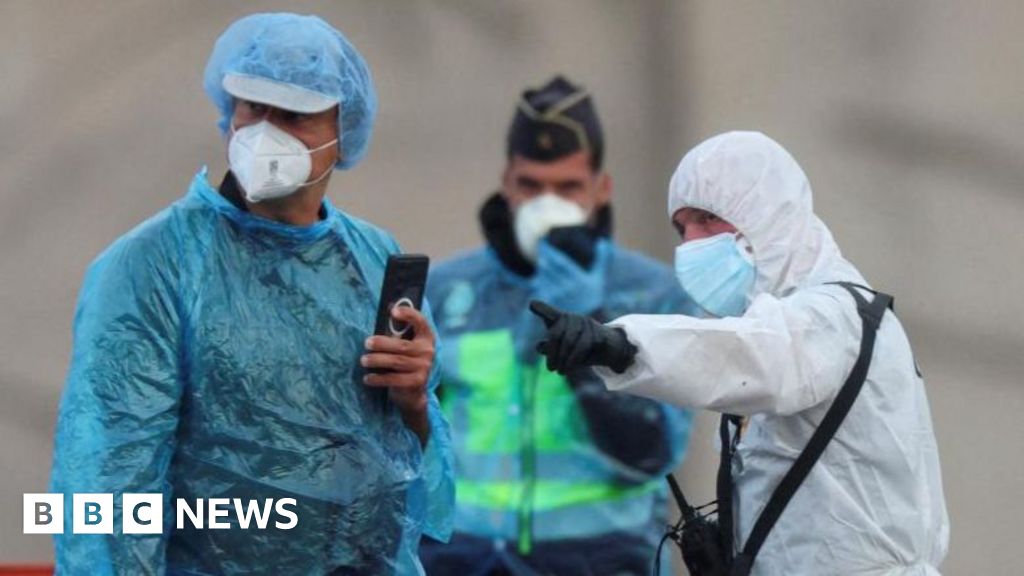
Seventeen US passengers from the hantavirus-hit MV Hondius are being flown to the University of Nebraska Medical Center for screening, while more than 90 passengers were evacuated overall. Officials say the outbreak risk is very low, but the group will be monitored and expected to self-isolate for 42 days; seven other US passengers have already returned home and are under state health monitoring. The news is operationally significant for cruise and travel health protocols, but it is unlikely to have broad market impact.
This is a low-probability, high-visibility health event that should be read less as an outbreak story and more as a test of quarantine credibility. The immediate economic impact is not on the virus itself but on operating friction across cruise, tour, and aviation channels: any perceived weakness in shipboard health protocols can trigger booking hesitation for small-ship expedition operators first, then spill into the broader premium leisure segment. The fact pattern is also important for insurers and port operators: even when a pathogen is not widely transmissible, administrative containment can still create days-to-weeks of disruption costs, itinerary changes, and reputational damage.
The second-order winner is public-health infrastructure and firms with exposure to biosurveillance, isolation logistics, and medical transport, because the market will likely reprice the value of rapid containment after this episode. The loser is the niche expedition-cruise subindustry, where demand is more reputation-sensitive and less able to absorb a single adverse headline than mass-market cruise lines. A key nuance: because the perceived contagion risk is low, this is unlikely to become a long-duration demand shock; instead, any selloff in travel names should fade quickly unless follow-on cases emerge over the next 2-6 weeks.
The main tail risk is not widespread infection but a procedural failure during repatriation or monitoring that creates a broader narrative of insufficient protocol discipline. If even one secondary case is found in the U.S. monitoring window, the story can reprice from "contained incident" to "repeatability concern," extending headline risk by another 30-45 days. Conversely, a clean monitoring period would reinforce that these events are operational nuisances rather than sector-level demand threats, making any travel weakness an opportunity rather than a thesis break.
AI-powered research, real-time alerts, and portfolio analytics for institutional investors.
Request DemoOverall Sentiment
mildly negative
Sentiment Score
-0.15
