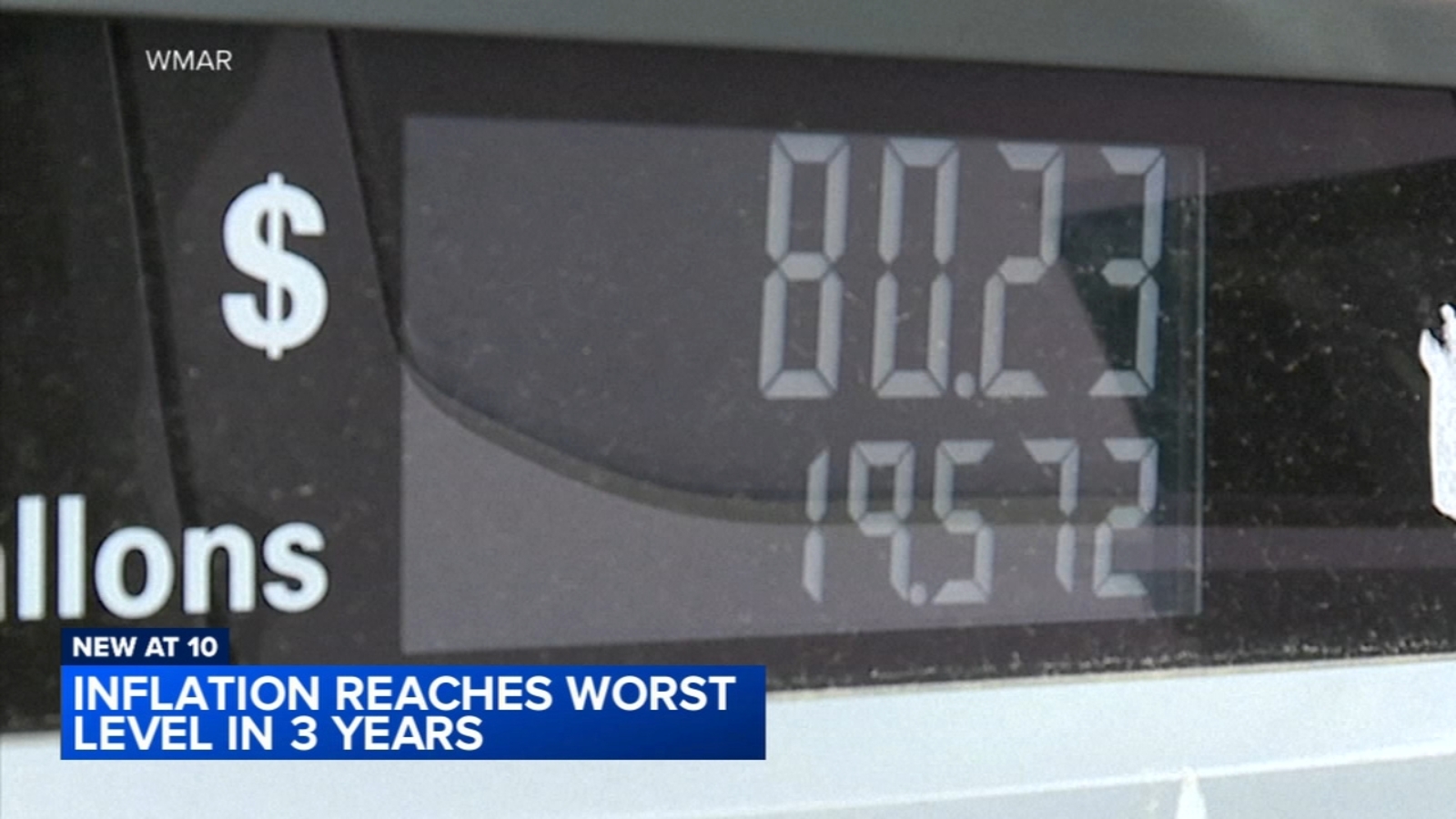
U.S. inflation accelerated to 3.8% year over year in April, up from 3.5% in March and the highest since May 2023, while core inflation rose to 3.3%. The report reduces the odds of Fed rate cuts this year and raises the risk of a rate hike, as gasoline, groceries, clothing, electricity and services continue to push prices higher. Real disposable income fell 0.1% month over month and inflation-adjusted spending rose just 0.1%, signaling household pressure and a potentially softer growth outlook.
The second-order read is not just “higher inflation,” but a re-pricing of the path of policy for the next 3-6 months. If inflation is being reinforced by tariffs, energy pass-through, and service-sector stickiness, the market should stop discounting near-term easing and instead consider a higher-for-longer or even hike-risk regime, which is hostile to long-duration assets and to leveraged consumers. That favors balance-sheet quality and pricing power over cyclical beta, and it means any rally in rate-sensitive sectors is more likely to be a fade than a trend.
The biggest losers are households living paycheck-to-paycheck and lower-end discretionary retailers, because nominal spending can still look fine while real purchasing power quietly deteriorates. The lagged effect is that credit card delinquencies, BNPL stress, and auto-loan performance can worsen over the next 1-2 quarters even if headline labor data remains acceptable. The more important nuance is that upper-income spending is masking this weakness; once the marginal affluent consumer starts pulling back, the downside in travel, leisure, and premium retail can accelerate quickly.
On the winner side, energy, utilities, and select industrials with pass-through clauses should outperform, but AI infrastructure is a more complicated beneficiary: the capex cycle supports hardware demand, yet it also feeds cost-push inflation via electrical equipment, software, and power prices. That creates a cleaner relative-value expression in “power producers vs power consumers” than in a simple growth-vs-value trade. In fixed income, the risk is a steeper front-end selloff if the market begins to price out cuts; the first adjustment usually happens in 2-year yields, not the long bond.
Contrarian view: the market may be overestimating persistence if the inflation impulse is still mostly energy and tariff-related rather than broad demand overheating. If gasoline rolls over and real incomes stabilize, the data can improve faster than consensus expects, giving the Fed cover to pause rather than hike. But until there is visible deceleration in services ex-housing, the burden of proof remains on the doves, and crowded duration longs are vulnerable to another leg down.
AI-powered research, real-time alerts, and portfolio analytics for institutional investors.
Request DemoOverall Sentiment
strongly negative
Sentiment Score
-0.60
Ticker Sentiment
