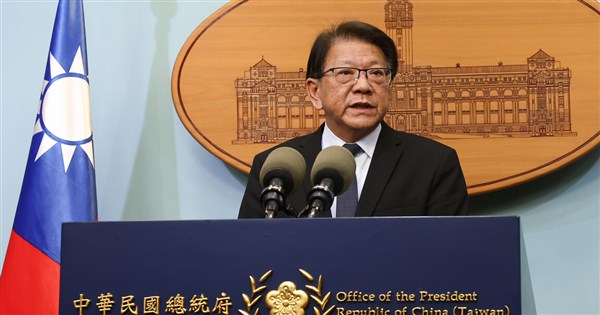
Taiwan President Lai Ching-te's planned five-day visit to Eswatini was suspended after Seychelles, Mauritius, and Madagascar unexpectedly rescinded overflight permission, which Taipei attributes to China's economic coercion. The development is geopolitically negative for Taiwan's diplomatic posture but is unlikely to have direct market-moving implications beyond sentiment. The article also notes ongoing domestic political reactions and separate Taiwan policy headlines.
This is a signaling event more than a travel setback: Beijing demonstrated it can impose frictions well beyond the Taiwan Strait, using third-country routing and overflight permissions to raise the cost of Taipei’s diplomacy. The immediate market read is risk-off for Taiwan-linked assets, but the larger second-order effect is a gradual increase in the “geo-premium” embedded in Taiwanese equities, especially sectors reliant on external logistics, aviation, and outbound business development. The move also reinforces a more persistent thesis: Taiwan’s external policy options are narrowing, which should keep political volatility elevated into the next election cycle and any cross-strait flashpoint.
The near-term losers are airlines and travel-adjacent names with exposure to Taiwan-origin demand, but the bigger impact is on supply-chain confidence. Multinationals that rely on Taiwan for high-value components may see higher hedge costs, longer planning horizons, and incremental inventory buffers; that is mildly bullish for logistics, warehousing, and alternative routing capacity across Northeast and Southeast Asia. A less obvious beneficiary is Japan and Singapore as neutral transit hubs, which gain relative value if corporate and diplomatic traffic increasingly routes around China-sensitive airspace.
The contrarian read is that this is not a direct trade embargo and should not be extrapolated into a macro shock. China’s leverage is highly targeted and episodic, so the equity reaction in Taiwan may overshoot if investors price in broader supply disruption or sanctions-style escalation. The more durable implication is reputational: if Taipei cannot even guarantee sovereign routing for a presidential trip, foreign investors may demand a slightly higher political risk discount, but that should build over months, not days.
Catalyst-wise, watch for any retaliation from Taipei that affects cross-strait trade or tourism, as that would turn a symbolic event into a measurable earnings story. If Beijing repeats this tactic on future trips, the probability of a sustained risk-premium repricing rises meaningfully; if not, the move fades into background noise within 1-2 weeks.
AI-powered research, real-time alerts, and portfolio analytics for institutional investors.
Request DemoOverall Sentiment
mildly negative
Sentiment Score
-0.35
